

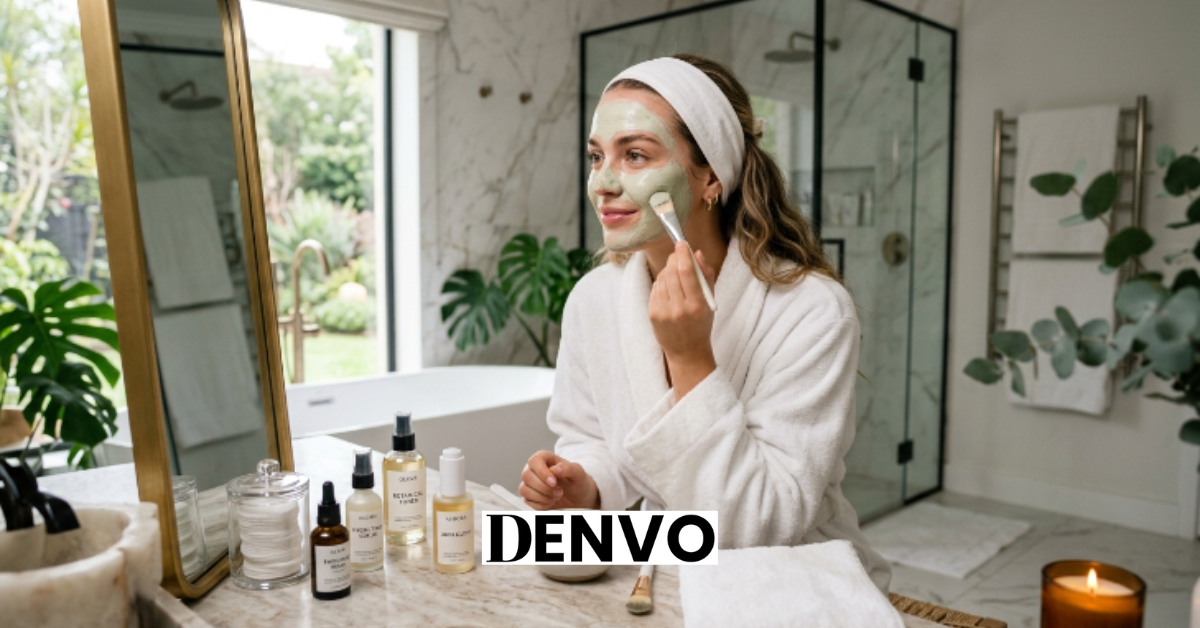
My skin looked worse after three months of “self-care Sundays” than it did before I started. Turns out I was doing almost everything backwards.
Quick answer
A proper face mask skin care routine goes cleanse, exfoliate (optional, 2x weekly), mask, then moisturizer and SPF if it’s daytime. Clay masks come before hydrating ones. Most people mask 1-3 times a week, never daily, and apply masks to slightly damp skin for better absorption.
I used to think masking was just a fun little ritual — light a candle, slap something green on my face, scroll my phone for ten minutes, rinse, done. That’s not skin care, that’s a spa-themed placebo. Once I actually learned the order things need to happen in, my skin stopped freaking out every other week. If you’ve ever wondered why your $40 mask isn’t doing much, this is probably why.
Cleansing Comes First, No Exceptions
Skip a proper cleanse and your mask is basically fighting dirt, oil, and sunscreen residue instead of actually treating your skin. I learned this the hard way after a music festival where I masked over a full face of leftover glitter and sweat — the mask just sat on top of everything like a lid, doing nothing useful underneath.
Use a gentle cleanser that matches your skin type, not whatever’s closest to the sink. Follow with lukewarm water, never hot, since hot water strips your skin’s natural barrier. Pat dry instead of rubbing — your skin isn’t a dish towel.
Here’s the part people skip: cleansing takes about 60 seconds of actual massage time to work properly, not the 10-second rinse-and-run most of us default to.
Exfoliating Before Masking Changes Everything (But Only Twice a Week)
This is the step that made the biggest difference for me, and it’s also the one most tutorials gloss over. Exfoliating before a mask lets active ingredients actually penetrate instead of sitting on top of dead skin cells doing nothing.
I over-exfoliated for a solid month once, thinking more scrub equals more glow. My skin got red, flaky, and weirdly tight — the opposite of what I wanted. Dermatologists generally recommend exfoliating 2-3 times a week max, and that’s plenty.
- Use a chemical exfoliant (AHA or BHA) rather than harsh physical scrubs if you have sensitive skin
- Wait at least 5 minutes after exfoliating before applying your mask
- Skip exfoliation entirely the same day you use a retinol or strong acid mask
The Mask Order Most People Get Backwards
Clay and mud masks go before gel or sheet masks, never after. This one surprised me too — I used to layer them in whatever order felt “cleansing first, hydrating second” felt intuitive, but clay masks actually work best on a clean, slightly oily-neutral canvas, while hydrating masks perform better once your pores have already been drawn out and tightened.
Think of clay masks as the deep-clean step and hydrating masks as the recovery step. If you use both in one sitting (which honestly, most weeks I don’t), the order matters more than the products themselves.
A friend of mine swore her “two-mask Sunday” routine was ruining her skin — turns out she was applying a hydrating sheet mask first, then a clay mask on top, which basically canceled out the hydration before it even had a chance to sink in. Swapping the order fixed it within two weeks.
READ MORE: Best Retinol Cream 2026 What Dermatologists Know That Most People Don’t
How Often You Should Actually Be Masking

Three times a week is the realistic sweet spot for most skin types, not the daily masking trend some influencers push. Daily masking, especially with clay or exfoliating masks, can strip your skin’s barrier faster than you’d think — I tried a “mask every night for glow” challenge once and ended up with breakouts along my jawline by day five.
Your skin type changes the math a bit:
- Oily or acne-prone skin: 2-3 times weekly with clay or charcoal masks
- Dry or sensitive skin: 1-2 times weekly, sticking to hydrating or cream-based formulas
- Combination skin: multi-masking works well — clay on the T-zone, hydrating on the cheeks
Here’s the contrarian part: skipping mask days when your skin looks fine is actually better than sticking to a rigid schedule. Your face isn’t a subscription box. It doesn’t need a delivery every Sunday regardless of how it’s actually doing.
READ MORE: Gua Sha Benefits for Face What Experts Know That You Don’t
What Comes After the Mask Matters More Than the Mask Itself
Rinsing and walking away is where most of the mask’s benefit gets wasted. Your skin is primed and slightly more permeable right after masking, which makes it the perfect moment for serums and moisturizer to actually do their job.
Pat your face dry, then apply any treatment serums (vitamin C, niacinamide, hyaluronic acid) within a minute or two. Follow with a moisturizer to lock everything in, and if it’s daytime, SPF is non-negotiable — masking can leave skin slightly more sun-sensitive for a few hours afterward.
I skipped moisturizer post-mask for months because I figured the mask itself was “enough hydration.” My skin was consistently dull by evening. Adding a simple moisturizer step after masking fixed that within about a week, no expensive products required.
Building Your Weekly Face Mask Skin Care Routine: The Practical Steps
Here’s exactly how I structure mine now, and it’s genuinely simple once it’s a habit:
- Cleanse your face with a gentle, skin-type-appropriate cleanser
- Exfoliate lightly, but only 2-3 times a week, never on the same day as an active mask
- Apply your mask — clay/mud first if layering, hydrating masks alone on off-days
- Leave it on for the time listed on the packaging (over-leaving doesn’t equal better results)
- Rinse with lukewarm water and pat dry
- Apply serum, then moisturizer, then SPF if it’s daytime
That’s it. No 12-step routine, no $200 haul required. Consistency with the right order beats an expensive product used the wrong way, every single time.
READ MORE: Facial Roller Benefits 2026 Everything You Need to Know
FAQs
How many times a week should I follow a face mask skin care routine?
Most dermatologists recommend masking 1-3 times weekly depending on your skin type. Oily skin can typically handle more frequent clay masking, while dry or sensitive skin does better with just once or twice a week using gentler, hydrating formulas.
Should I moisturize before or after a face mask?
Moisturize after, not before. Applying moisturizer first creates a barrier that can block the mask’s active ingredients from actually reaching your skin.
Can I use two different masks in the same routine?
Yes, but order matters — clay or mud masks should go first, followed by hydrating masks, never the reverse. Multi-masking different products on different face zones (like clay on the T-zone and hydrating on cheeks) also works well for combination skin.
Is it bad to leave a mask on longer than the instructions say?
Generally, yes. Leaving masks on too long, especially clay ones, can over-dry your skin and cause irritation rather than deeper cleansing — the ingredients aren’t “still working” past the recommended time, they’re often just drying out.
Do I need to exfoliate every time before masking?
No. Exfoliating before every mask session can actually damage your skin barrier over time. Stick to exfoliating 2-3 times a week max, and skip it entirely on days you’re using a strong active mask like retinol or acid-based formulas.
Conclusion
A face mask skin care routine isn’t about buying more products — it’s about getting the order and frequency right. Cleanse first, exfoliate sparingly, mask with intention, and always follow up with moisturizer. Once I fixed my sequence instead of my shopping cart, my skin actually started cooperating.
What’s your current mask routine looking like? Drop a comment below and let me know if you’re team clay mask or team sheet mask — I’m genuinely curious which one wins.