
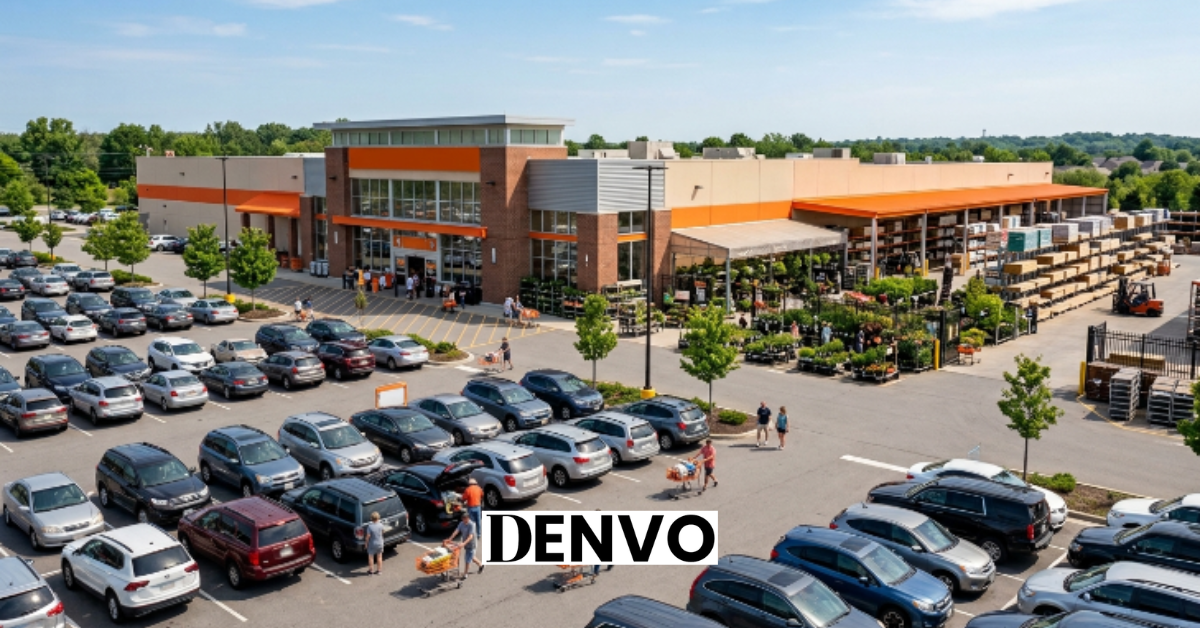
I once drove twenty-two minutes past a Home Depot to get to a “better” one, only to find out the closer store had the exact same lumber, the same paint mixing station, and honestly, a shorter checkout line. Lesson learned the hard way.
Quick answer
To find a Home Depot near you, use the store locator on HomeDepot.com or the mobile app, both of which show real-time inventory, hours, and curbside pickup availability. Typing “home depot near me” into Google Maps also works instantly and usually pulls the three closest locations with live hours.
If you’ve ever typed “home depot near me” into your phone while standing in a hardware aisle at a different store, wondering why you didn’t just check first, you’re not alone. I’ve done home renovations on three different houses now, and I’ve learned that finding the right Home Depot near me matters more than finding the closest one. There’s a difference, and it can save you an entire afternoon. This guide walks through exactly how to find the best location for what you need, what most people get wrong, and a few tricks I picked up after way too many wasted trips.
Why “Home Depot Near Me” Doesn’t Always Mean the Best One
The closest store on the map isn’t always your best option. Some locations are smaller “compact format” stores that skip entire departments like large appliances or full lumber yards, which means you might drive there for a specific plank of wood and leave empty-handed.
I learned this during a kitchen backsplash project. The Home Depot four minutes from my house didn’t carry the tile spacers I needed, but the one twelve minutes away had an entire aisle dedicated to tile tools. A quick call ahead — or five seconds checking inventory online — would’ve saved me the trip.
Why does this even happen? Real estate. Home Depot builds stores based on the space available in a given neighborhood, and older locations in denser areas tend to run smaller footprints than the ones built near highways or in suburban shopping centers. A store squeezed into a tight city block just can’t stock the same volume as one sitting on a fifteen-acre lot with an outdoor lumber yard attached.
This matters more than people realize, because it’s not just about lumber. Appliance selection, rental centers, even a paint desk’s custom-mixing capacity can vary wildly between two stores only a ten-minute drive apart. I’ve seen one location with a full rental center for tile saws and pressure washers, while its “sister store” fifteen minutes away had none of that at all.
Here’s what actually varies store to store:
- Store size and department selection (some skip garden centers or full appliance showrooms)
- In-stock inventory for specific SKUs, especially seasonal or specialty items
- Pro desk hours and staffing for contractors
- Tool rental center availability
- Curbside pickup speed and locker availability
How to Actually Find the Right Location Fast
Skip the generic Google search and go straight to the Home Depot store locator, because it shows live inventory by ZIP code. This one habit alone will save you more time than anything else in this guide.
When you search “home depot near me” through the app instead of a browser, you get something a plain map search can’t give you: real-time stock counts for the exact item in your cart. I tested this last month buying a specific shade of exterior paint — three stores nearby claimed to carry it, but only one actually had cans in stock that day.
The app also remembers your default store, which sounds minor but changes your whole shopping habit over time. Once I set my go-to location, product pages started showing aisle and bay numbers specific to that store layout, so I wasn’t wandering around looking for “electrical” only to find it’s called something else on the overhead signs.
Here’s something most people miss entirely: you can text message some stores directly through the app’s chat feature for quick stock questions, without waiting on hold for five minutes. It’s not available everywhere yet, but where it is, it’s faster than a phone call by a wide margin.
A few ways to check before you drive anywhere:
- Open the Home Depot app and search the product first, then filter by “in stock nearby”
- Call the store directly and ask for the department (paint, lumber, electrical) rather than the general line
- Use the website’s “Check Nearby Stores” button on any product page
- Check Google Maps’ “Popular Times” graph so you’re not walking in during the Saturday 11am rush
The Contrarian Truth: Bigger Store Isn’t Always Better
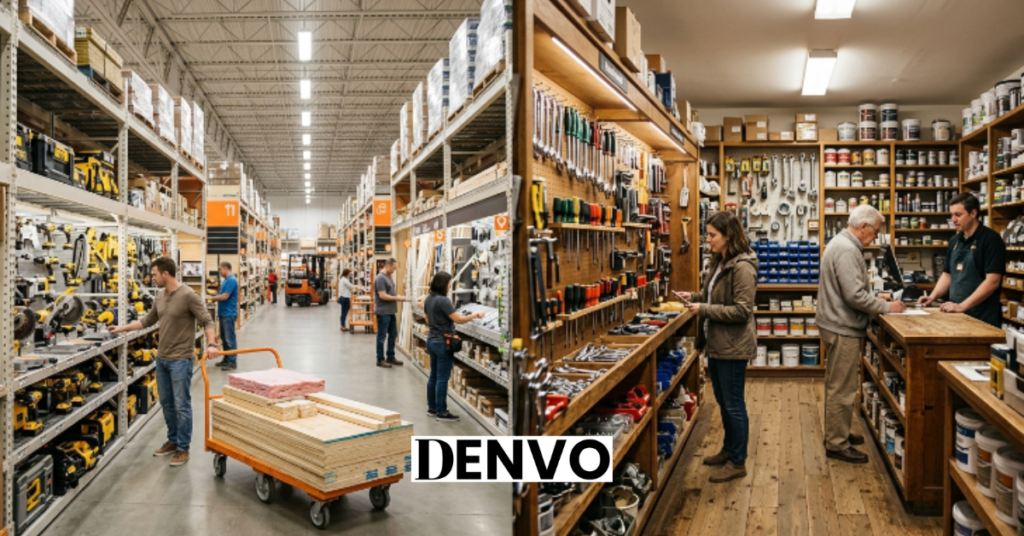
Bigger doesn’t always mean faster or better service, and this one surprises people. The flagship “warehouse” style stores are massive, sure, but that also means longer walks, more crowded aisles on weekends, and pro desk lines that can stretch fifteen deep by 9am on a Saturday.
A smaller neighborhood location I use for quick trips — batteries, a specific bolt size, wood filler — gets me in and out in under six minutes most days. Compare that to the “supercenter” across town where I once spent forty minutes just locating a single type of caulk because the store was laid out like a small airport terminal.
If your project is small — a repair, a single part, a quick fix — the smaller store near me usually wins. Save the big-box trip for actual building material hauls: full lumber orders, appliance shopping, or anything requiring a flatbed cart and serious floor space.
Think of it this way: would you rather park close and be in and out in ten minutes, or hunt for a spot in a packed lot and then walk what feels like half a mile just to reach the register? Most people, if they’re honest, would take the smaller store every single time for a quick errand. The habit of defaulting to “the big one” because it feels more thorough is often just wasted time in disguise.
There’s also a staffing angle here that doesn’t get talked about enough. Smaller stores tend to have the same handful of associates working consistently, which means they actually get to know regular customers and remember details from past visits. I’ve had an associate at my neighborhood store recall a paint color I mixed six months earlier, which saved me from re-explaining the whole project from scratch.
What to Check Before You Even Leave the House
Checking inventory online first prevents almost every wasted-trip headache people run into. This sounds obvious, but I’d guess fewer than half the people searching “home depot near me” actually do it before getting in the car.
Here’s my actual pre-trip checklist now, after enough wasted Saturdays:
- Search the product on HomeDepot.com and select your nearest store to confirm stock count
- Check if it qualifies for same-day curbside pickup (usually ready within two hours)
- Look at the store’s Pro Desk hours if you need bulk contractor pricing
- Confirm tool rental availability if you’re borrowing equipment for a weekend job
- Read the last 5-10 reviews mentioning wait times, not just star ratings
One caveat here: inventory counts online aren’t always perfect. They’re updated frequently, but not in real time down to the second. I’ve shown up to grab “in stock” tile only to find the last two boxes had just sold. It’s rare, but it happens, so don’t plan a project around a single trip if the item is limited stock.
I’d also add: don’t skip the reviews section on the store’s Google listing, even though it feels like a small detail. Reviews mentioning specific department wait times, or whether the Pro Desk actually opens on schedule, tend to be far more useful than the generic star rating up top. A 4.2-star store with three recent reviews complaining about a chronically understaffed paint counter tells you something a 4.5-star average never will.
And if you’re planning a bigger project — a full bathroom remodel, a deck build, anything spanning multiple trips — it’s worth calling the store once ahead of time just to ask if they carry your specific brand or product line consistently, rather than as a one-off restock. Some brands rotate in and out of specific stores based on regional demand, which is another reason the store four minutes away isn’t always the right one.
Getting the Most Out of Your Trip Once You’re There
Talking to an actual associate beats wandering the aisles almost every single time. This feels counterintuitive if you’re used to big-box stores where staff can be hard to find, but Home Depot associates are department-specific and genuinely know their section cold.
I asked a lumber associate once about pressure-treated versus cedar for an outdoor bench project, expecting a generic answer. Instead I got an actual breakdown of moisture resistance, cost difference over five years, and which one wouldn’t warp in my specific climate. That conversation probably saved me from redoing the whole project a year later.
A few tips that make in-store trips smoother:
- Ask for the department associate by name of the section, not just “someone to help”
- Use the app’s store map feature to find your aisle number before walking in
- Check if your local store has a Pro Desk — even non-contractors can sometimes get bulk pricing questions answered there
- Bring measurements written down, not just guessed numbers, especially for lumber or plumbing parts
Practical Action Steps for Your Next Trip
Here’s exactly what to do the next time you need to find a location:
- Open the Home Depot app or website before leaving home
- Search your specific product first, not just the store name
- Filter results by “in stock” at stores within your radius
- Check the store’s posted hours for that specific day, since holiday hours differ
- Consider curbside pickup if you just need one or two items, skipping the walk-in entirely
- Call ahead for large or specialty items like appliances or rental equipment
This five-minute habit has saved me more wasted trips than I can count. It’s such a small thing, but it changes the whole experience from frustrating to genuinely efficient.
FAQs
How do I find the closest Home Depot near me?
The fastest way is searching directly through the Home Depot app or website, which uses your location to show nearby stores along with live hours and stock info. A basic Google Maps search for “home depot near me” also works and typically shows the three closest options with directions.
Does Home Depot near me offer curbside pickup?
Most locations do offer curbside pickup, usually ready within two hours of ordering online. You’ll get a text notification once your order’s ready, and a dedicated parking spot for pickup, so you don’t even need to walk inside.
Are all Home Depot locations the same size?
No, and this trips a lot of people up. Some are compact-format stores missing full departments like appliances or expanded lumber yards, while others are full warehouse-style stores with everything under one roof.
What time is Home Depot least crowded?
Weekday mornings, typically between 7am and 10am, tend to be the quietest based on Google’s popular times data. Weekends, especially Saturday between 10am and 2pm, are consistently the busiest window.
Can I check if an item is in stock before driving to a store?
Yes, and you absolutely should. Search the product on HomeDepot.com, enter your ZIP code, and it’ll show live stock counts for stores in your area before you ever leave the house.
Conclusion
Finding a Home Depot near me isn’t really about the map pin closest to your address. It’s about matching the store’s size, inventory, and hours to what your specific project actually needs that day. A little prep — checking stock online, calling ahead for specialty items, timing your visit around slower hours — turns a frustrating errand into a quick, painless trip.
Have you had a wasted trip to the wrong store, or found a local Home Depot hack that saves you time? Drop it in the comments below — I’m always looking for ways to make these errands less annoying.