

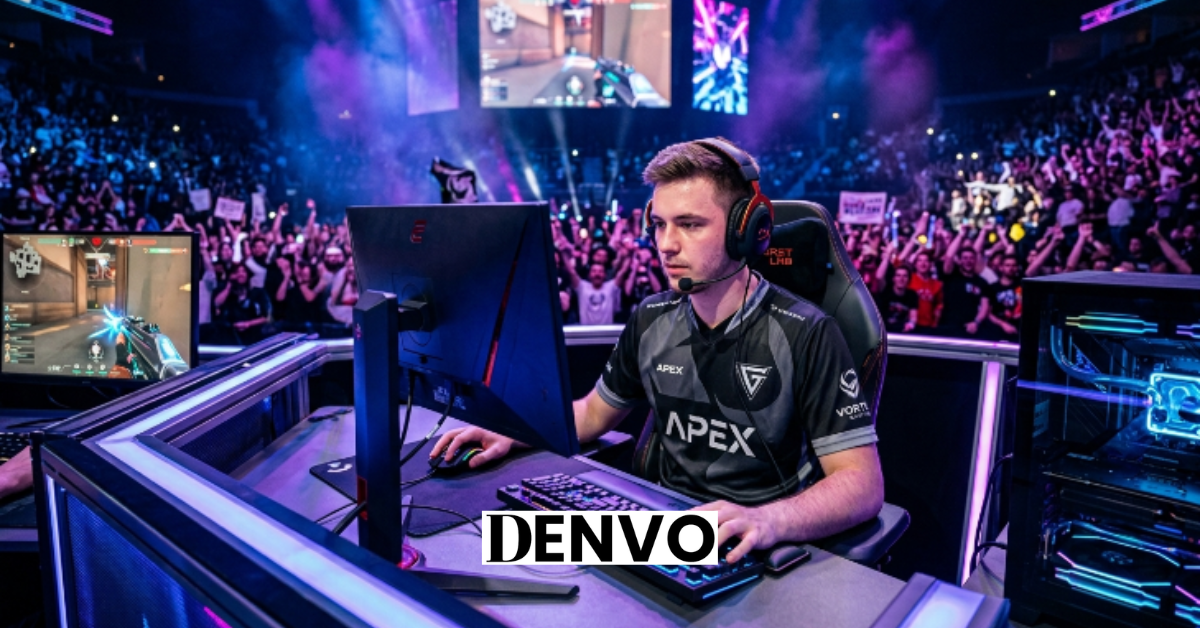
I lost a ranked match last year because my mouse polling rate was set wrong. Sounds dumb, right? But that tiny setting cost me the game — and it’s the exact kind of detail Tech Etruesports content exists to fix.
Quick answer
Tech Etruesports refers to the technology ecosystem powering competitive gaming — from monitors and peripherals to servers and streaming tools. Understanding it helps players reduce input lag, improve reaction times, and compete at higher levels without overspending on gear that doesn’t actually matter.
I’ve been grinding competitive titles for almost eight years now, and I’ve watched the gear conversation shift from “just buy whatever the pros use” to something way more nuanced. Tech Etruesports isn’t a single product or company — it’s the whole intersection of hardware, software, and infrastructure that decides whether your 200ms reaction time actually translates on screen. And honestly? Most players are optimizing the wrong things first.
Tech Etruesports Starts With Latency, Not Specs
The point everyone misses: latency matters more than raw specs. You can drop $2,000 on a rig with a top-tier GPU and still lose to someone running a five-year-old setup with lower ping and a wired connection.
I learned this the hard way. My buddy Marcus swore by his fiber connection and 60Hz monitor, and I laughed at him — until I realized his end-to-end input delay was lower than mine, even with my 240Hz panel. Turns out my Wi-Fi adapter was adding almost 15ms of jitter that no amount of frame rate could fix.
Here’s what actually reduces latency in a Tech Etruesports setup:
- A wired ethernet connection instead of Wi-Fi (even a decent router loses 5-20ms under load)
- A monitor with genuine low input lag, not just a high refresh rate spec on the box
- Reduced background processes eating CPU cycles during matches
- Server region selection — sometimes the “recommended” server isn’t the fastest one
Most guides skip this because latency isn’t as flashy to talk about as a new headset. But it’s the difference between landing a flick shot and watching it whiff on your screen while it actually connected a half-second later.
Peripheral Hype Is Mostly Marketing
Here’s my contrarian take: 90% of peripheral marketing is noise. Companies love throwing around numbers like “16,000 DPI” or “8,000Hz polling rate,” and most casual buyers assume bigger equals better. It doesn’t, not even close.
Human reaction time averages around 200-250 milliseconds. A mouse polling at 1,000Hz already reports position every 1 millisecond. Bumping that to 8,000Hz shaves off fractions most players will never consciously register. I tested this myself with a stopwatch app and three different mice over a weekend — my accuracy scores barely moved between the 1,000Hz and 4,000Hz settings.
What actually moves the needle? Sensor consistency and grip comfort. A mouse that fits your hand and tracks predictably will outperform a spec-sheet monster every time. I switched from a flashy 26,000 DPI gaming mouse to a simpler 16,000 DPI model with a better shape, and my aim improved within two weeks. Not because of the numbers — because I stopped fighting the device.
Streaming Tech Has Quietly Become Part of Competitive Prep
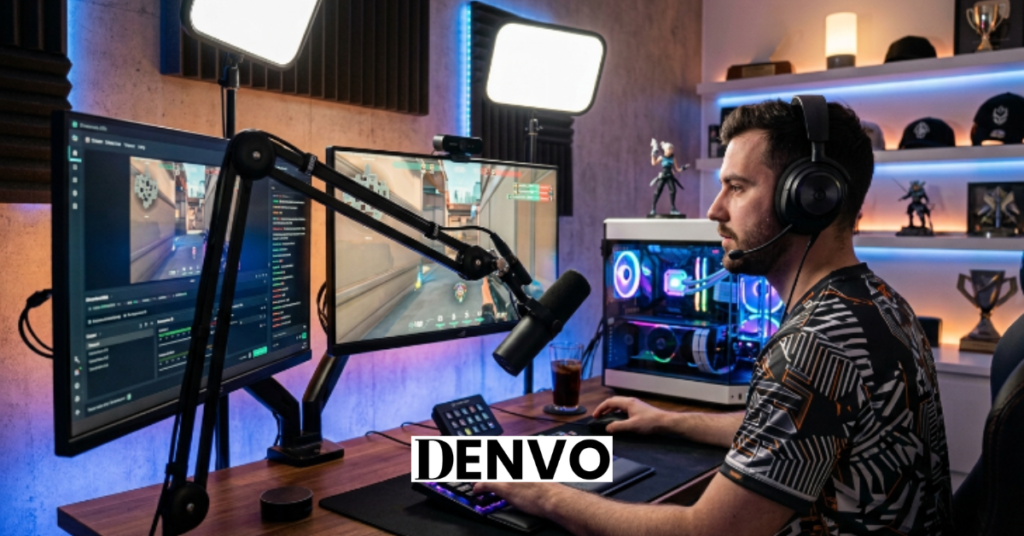
Streaming setups aren’t just for content creators anymore — they’re diagnostic tools. Reviewing your own POV footage frame-by-frame reveals mistakes you’d never catch in the moment.
I started recording my ranked sessions purely to share clips with friends. Then I noticed something: I was consistently peeking corners a half-second too early, giving opponents free information. That single habit, caught through review, fixed more of my losses than any gear upgrade did.
Modern Tech Etruesports setups increasingly include:
- Local recording software running in the background (OBS or similar, at minimal CPU cost)
- Dual-PC streaming rigs to avoid frame drops during recording
- Simple audio setups so players can review callouts and communication timing
- Clip-review routines built into practice schedules, not just post-match highlights
You don’t need a $3,000 dual-PC setup to benefit from this. Even a basic screen recorder and 20 minutes of weekly review will show patterns you didn’t know existed.
Most players blame their own aim before they blame the servers — and that’s usually backwards. Tick rate, server region, and matchmaking infrastructure shape outcomes far more than casual players realize.
Server Infrastructure Affects You More Than You Think
A game running on a 64-tick server versus a 128-tick server isn’t a minor technical footnote. It changes how precisely hit registration lines up with what you see on screen. I once switched regions during a slow queue and immediately noticed cleaner duels — not because I suddenly got better, but because the server was doing a better job syncing what happened.
This is part of why Tech Etruesports coverage increasingly focuses on backend infrastructure, not just consumer gear. Tournament organizers now specify exact server configurations in their rulebooks because the difference is measurable, not imagined.
AI-Assisted Coaching Tools Are Reshaping Practice
AI-driven analysis tools are changing how players train, and it’s happening faster than most casual fans realize. These tools scan replay data and flag decision-making patterns — like consistently rotating too late or wasting utility — that a human coach might take months to notice.
I tried one of these tools during a slump last spring, mostly out of curiosity. It flagged that I was making the same rotational mistake in 60% of my losses over a three-week window. I hadn’t noticed it once on my own. Fixing that single habit turned a losing streak into a winning one within ten games.
Is this replacing human coaches? Not yet, and probably not soon. But as a diagnostic layer sitting alongside traditional coaching, it’s become a legitimate part of how serious players train.
Practical Action Steps for Building Your Own Setup
Ready to actually apply this instead of just reading about it? Here’s where to start, in order of impact:
- Switch to a wired connection if you’re still on Wi-Fi — this alone can cut 10-20ms of latency
- Test your current mouse polling rate against a simpler setting before assuming you need an upgrade
- Record one week of matches and review just 15 minutes of footage per session
- Check your game’s server region settings manually instead of trusting “auto-select”
- Try a free or trial AI replay analysis tool if your game supports one
Don’t do all five at once. Change one variable, play ten matches, then adjust. That’s how you actually isolate what’s helping versus what’s just placebo.
FAQs
What exactly does Tech Etruesports mean?
Tech Etruesports describes the combined technology stack behind competitive gaming — hardware like monitors and peripherals, plus software and server infrastructure that affects performance. It’s less a single product and more a category of tools and trends players use to compete at higher levels.
Do I need expensive gear to compete seriously?
No, and honestly, expensive gear without the right fundamentals wastes money. A wired connection, a comfortable mouse, and consistent practice will outperform a flashy setup with poor habits nearly every time.
How much does latency really matter compared to skill?
A lot more than most players assume. Even skilled players lose duels they should win when input lag or server tick rate works against them, since the game state on screen doesn’t match what’s actually happening server-side.
Are AI coaching tools worth trying for casual players?
Yes, especially if you’re stuck at a skill plateau and can’t identify why. They’re good at spotting repeated patterns humans overlook, though they work best alongside regular practice, not instead of it.
Is a high polling rate mouse necessary?
Not really — 1,000Hz already covers most players’ needs since it reports position faster than human reaction time can process. Comfort and sensor consistency matter far more than chasing higher numbers.
Conclusion
Tech Etruesports isn’t about chasing the newest gadget or the biggest spec sheet — it’s about understanding which pieces of your setup actually influence your performance. Latency, server infrastructure, and honest self-review through footage will teach you more than another peripheral upgrade ever will. Start small, test one change at a time, and trust what your own results show you.
What’s one piece of gear or setting you changed that actually made a difference in your games? Drop it in the comments — I’m always looking for the next thing to test.