
INTRODUCTION
Imagine visiting a town where the lights never dim because the sun and wind pay the electric bill — forever.
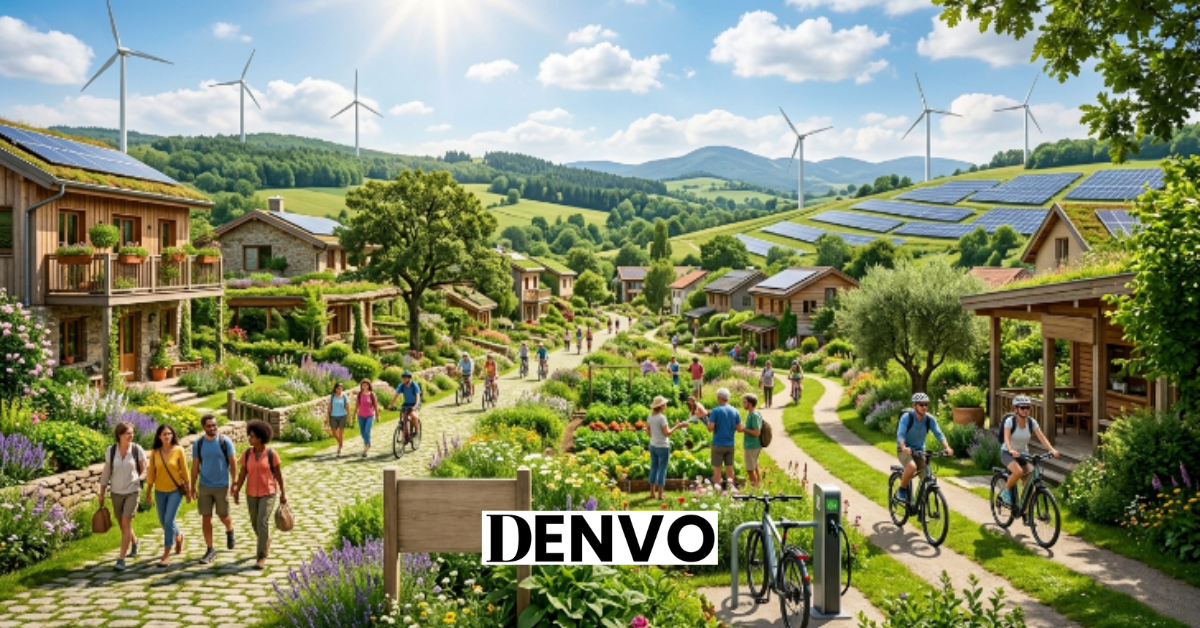
That’s not science fiction. Across the world, small towns and communities have gone 100% renewable, generating their own free energy through solar farms, wind turbines, and geothermal wells. These places have become unexpected travel destinations for curious beginners who want to see sustainable living in action.
If you’ve searched “travel town free energy,” you’re probably wondering: do these towns actually exist, can you visit them, and what’s it like? This guide answers all of that — with real examples, practical travel tips, and everything a first-time eco-traveler needs to know.
What Does “Free Energy Town” Actually Mean?
Let’s clear up a common misconception first. “Free energy” doesn’t mean magic or unlimited power from nothing — it means towns that generate their own electricity from renewable sources (sun, wind, water, or geothermal heat) instead of buying it from fossil-fuel power plants.
Once the infrastructure — solar panels, wind turbines, or geothermal systems — is built, the “fuel” (sunlight, wind, heat) costs nothing. That’s why these towns are called free energy towns or energy-independent communities.
Here’s what typically makes a town qualify:
- Local renewable generation — solar, wind, hydro, or geothermal plants owned by the town or a cooperative
- Grid independence — the town produces as much (or more) energy than it consumes
- Community ownership — residents often co-own the energy infrastructure
- Lower or zero electricity bills for locals
Beginners often confuse this with “off-grid” living, but most free energy towns are still connected to national grids — they just produce a surplus and sell it back, funding local services.
Real Towns You Can Actually Visit
You don’t need to imagine this — several real places have become known for their renewable energy achievements, and many welcome visitors.
Wildpoldsried, Germany produces roughly five times more renewable energy than it consumes, using a mix of solar, wind, and biogas. The surplus energy generates income for the town, and it’s become a case study for energy planners worldwide.
Samsø, Denmark is often called the world’s first “energy self-sufficient island,” powered almost entirely by wind turbines. Visitors can tour the Energy Academy, an actual visitor center built to explain the transition.
Kodiak Island, Alaska (USA) runs on nearly 99% renewable energy, combining hydroelectric and wind power — impressive for a remote location that once relied heavily on diesel.
Tip for beginners: Start with towns that have official visitor centers or energy academies (like Samsø). These are built specifically to educate travelers and make the experience beginner-friendly.
How to Plan Your First Free Energy Town Trip
Traveling to a free energy town isn’t like visiting a typical tourist attraction — there’s a bit more planning involved, but it’s straightforward once you know what to look for.
Before you go:
- Research the town’s energy program — most have websites explaining tours or open-house days
- Check for guided tours — places like Samsø’s Energy Academy run scheduled tours for visitors
- Book accommodations early — these towns are often small, with limited lodging
- Pack for the outdoors — many tours involve walking near turbines, solar fields, or biogas plants
While you’re there:
- Talk to locals — residents are usually proud to explain how the system works
- Visit during daylight hours for solar tours, or windy seasons for wind-powered towns
- Respect private property — some installations are on residential or farm land
A beginner mistake is assuming every “green town” allows full public access to its energy sites. Always confirm with the local tourism office first — some facilities are for residents or researchers only.
READ THIS: Online Game Event PBLGamevent: The Ultimate Guide for Modern Gamers
Why This Kind of Travel Is Growing in Popularity
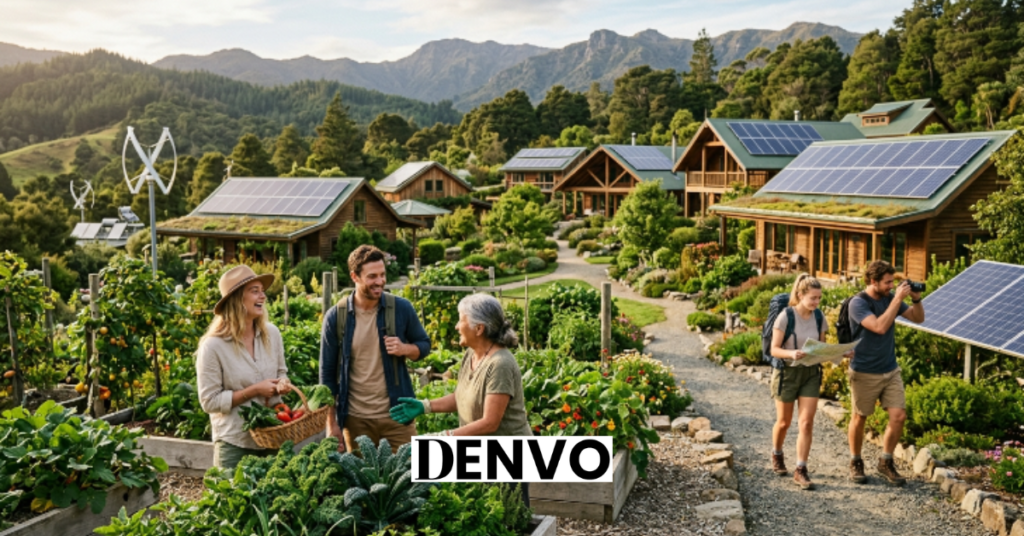
Sustainable tourism — travel that minimizes environmental harm and supports local communities — is one of the fastest-growing travel trends, and free energy towns sit right at the center of it.
Here’s why beginners are drawn to this type of trip:
- Educational value — you leave understanding how renewable energy actually works
- Low environmental footprint — these towns are literally designed to reduce carbon impact
- Unique, authentic experiences — unlike typical tourist traps, these visits feel purposeful
- Inspiration for home — many travelers return wanting solar panels or energy-saving upgrades themselves
According to sustainable travel researchers, more travelers are prioritizing destinations aligned with their values — and a self-powered town offers a hands-on way to see sustainability instead of just reading about it.
Common Challenges Beginners Should Know About
Before booking a trip, it helps to know the realistic downsides so you’re not caught off guard.
- Limited tourist infrastructure — small towns may lack hotels, restaurants, or English-speaking guides
- Seasonal limitations — solar and wind tours depend on weather and daylight
- Not all sites are open to the public — some energy facilities are working infrastructure, not attractions
- Transportation can be tricky — many free energy towns are rural or on islands, requiring extra travel time
None of these are dealbreakers — they just mean beginners should plan a little more carefully than they would for a standard city trip.
CONCLUSION
Free energy towns prove that sustainable living isn’t just a concept — it’s already happening in real communities you can visit. From Wildpoldsried’s solar-and-biogas success to Samsø’s wind-powered island, these destinations offer beginners a rare chance to see renewable energy in action, not just read about it.
If you’re planning your first trip, start small: pick a town with an established visitor program, book early, and go in with realistic expectations about infrastructure. The reward is a travel experience that’s educational, low-impact, and genuinely inspiring.
Ready to plan your first sustainable trip? Start researching one of the towns mentioned above and see where the journey takes you.
FAQs
What is a “free energy town”?
A free energy town is a community that generates most or all of its electricity from renewable sources like solar, wind, or geothermal power, rather than buying it from fossil-fuel-based grids. Once built, the energy infrastructure produces power at little to no ongoing fuel cost, which is why these places are called free energy towns. Many also sell surplus energy back to national grids, generating income for local services. It doesn’t mean unlimited free electricity for visitors — it refers to how the town sources its own power.
Can tourists actually visit these towns?
Yes, many free energy towns welcome visitors, especially those with dedicated visitor centers like Samsø’s Energy Academy in Denmark. However, not every facility is open to the public — some are working infrastructure rather than tourist attractions. It’s best to check the town’s official tourism or energy program website before planning your trip, and book guided tours in advance when available.
Are free energy towns expensive to visit?
Not necessarily. Most free energy towns are small, rural communities, so costs depend more on accommodation and transportation than on the “energy tourism” itself. Guided tours at official energy centers are often reasonably priced or even free. The main cost consideration is travel logistics, since many of these towns are remote or on islands.
What’s the best time of year to visit a travel town powered by free energy?
It depends on the town’s main energy source. Wind-powered towns are often more active (and windier) in autumn and winter, while solar-powered towns are best visited in summer when daylight hours are longest. Checking the local climate and the specific renewable source used is the easiest way to time your trip well.
Is this the same as “off-grid” travel?
Not exactly. Off-grid usually means completely disconnected from any national power grid, while most free energy towns remain grid-connected but produce more renewable energy than they use. This distinction matters for travelers, since off-grid destinations often have far less infrastructure and tourist access than free energy towns.
How do I find more towns like this to visit?
Look for renewable energy associations, sustainable tourism boards, or “100% renewable communities” lists published by environmental organizations. Local tourism websites for countries strong in renewables — like Denmark, Germany, and parts of Scandinavia — are also a reliable starting point for finding beginner-friendly, well-documented free energy towns.