
INTRODUCTION
Ever bitten into a donut with a crackly, craggy exterior and a dense, cakey inside that practically melts on your tongue? That’s the magic of an old fashioned donut.
Unlike its fluffy, yeast-raised cousins, the old fashioned donut has a texture and flavor all its own. Yet many people can’t explain what actually makes it “old fashioned,” or how to make one at home.
This guide breaks it all down. You’ll learn the history behind this classic treat, how it differs from other donut styles, a simple recipe you can try in your own kitchen, and what to look for when buying one at a bakery. By the end, you’ll never look at a donut case the same way again.
What Is an Old Fashioned Donut?
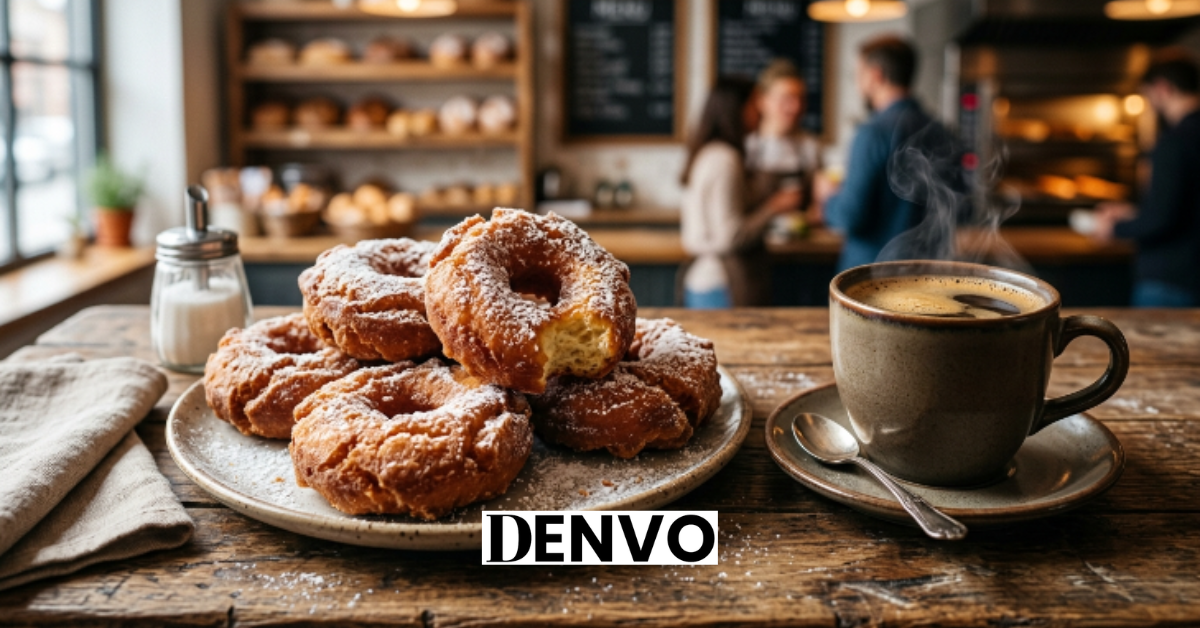
An old fashioned donut is a type of cake donut made from a dense, slightly tangy batter (usually including sour cream or buttermilk) rather than yeast dough. It’s fried until the outside forms craggy, crunchy edges — those little cracks are actually the signature feature bakers aim for.
Here’s what sets it apart:
- Dense, crumbly texture instead of light and airy
- Cracked, uneven surface caused by the batter expanding as it fries
- Rich flavor from ingredients like nutmeg, vanilla, and buttermilk
- Simple glaze or plain finish rather than heavy frosting or fillings
The name “old fashioned” comes from the fact that this style predates the mass-produced, yeast-raised donuts that became popular in the 20th century. Cake donuts like this one were originally made using baking powder or baking soda, which was a newer leavening method in the 1800s — ironic, since today it’s considered the “old” style compared to yeast donuts.
Fun fact: The cracked top isn’t a mistake. Bakers actually chill the dough before frying so it cracks intentionally when it hits the hot oil, creating that signature crunchy texture.
Old Fashioned Donut vs Other Donut Types
If you’ve stood in front of a bakery case feeling overwhelmed, you’re not alone. Here’s a quick comparison to clear things up:
Old Fashioned Donut:
- Cake-based (no yeast)
- Dense and crumbly
- Cracked exterior
- Often glazed lightly
Yeast (Raised) Donut:
- Made with yeast dough
- Light, fluffy, airy
- Smooth surface
- Often filled (jelly, cream)
Cake Donut:
- Similar base to old fashioned, but smoother finish
- No intentional cracking
- Often more uniform in shape
Buttermilk Donut:
- A close cousin of the old fashioned donut
- Uses buttermilk specifically for tang
- Sometimes used interchangeably with “old fashioned”
Knowing these differences helps you order (or bake) exactly what you’re craving. If you want that crispy edge and hearty bite, the old fashioned donut is your go-to choice over a soft, pillowy yeast donut.
How to Make an Old Fashioned Donut at Home
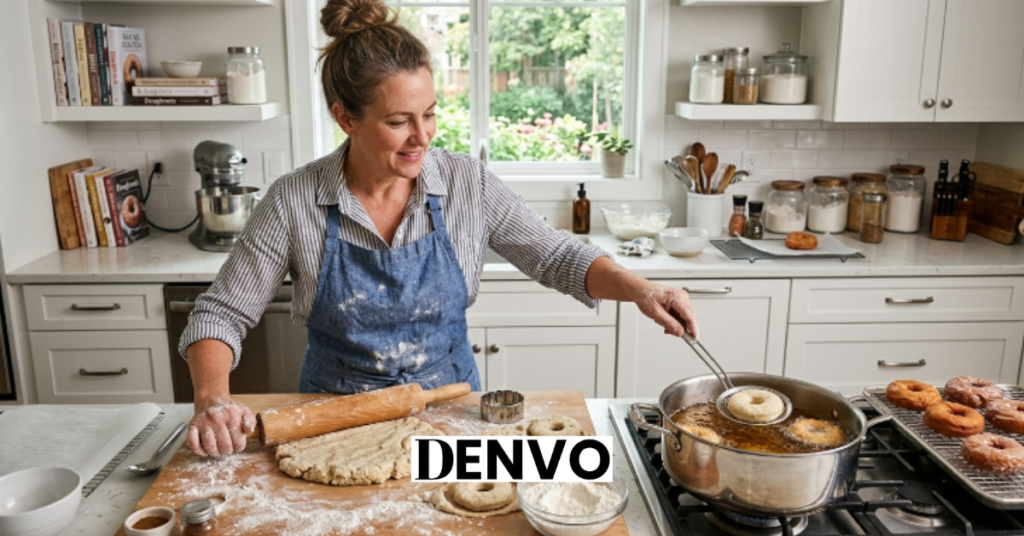
You don’t need a bakery to enjoy a fresh old fashioned donut. Here’s a simplified approach beginners can follow:
What you’ll need:
- All-purpose flour
- Baking powder and a pinch of baking soda
- Granulated sugar
- Eggs
- Sour cream or buttermilk
- Melted butter
- Vanilla extract and a touch of nutmeg
- Neutral oil for frying (like vegetable or canola oil)
Basic steps:
- Mix dry ingredients — flour, baking powder, baking soda, sugar, and a pinch of salt.
- Combine wet ingredients — eggs, melted butter, sour cream, and vanilla.
- Fold together gently — overmixing makes the donut tough instead of tender.
- Chill the dough for at least 30 minutes. This step is crucial for getting that classic crackly texture.
- Roll and cut using a donut cutter (or two round cutters of different sizes).
- Fry at 325°F (163°C) for about 2-3 minutes per side, until golden brown.
- Cool slightly, then glaze with a simple powdered sugar glaze if desired.
Pro tip: Don’t fry at too high a temperature. Old fashioned donuts need a slightly lower, steadier heat than yeast donuts so the inside cooks fully before the outside burns.
This homemade version lets you control the sweetness, texture, and glaze ratio — something you can’t always do when buying from a store.
READ THIS: Best Cocido Gallego Near Me How to Find the Real Thing Or Make It Yourself
Where to Buy the Best Old Fashioned Donuts
Not everyone wants to fry donuts at home, and that’s completely fine. If you’re buying, here’s what separates a great old fashioned donut from a mediocre one:
- Visible cracks on the surface — this shows proper frying technique
- Slightly heavy weight — a good one feels dense, not hollow
- Fresh smell — nutmeg and vanilla aromas should be noticeable
- Glaze that’s thin, not gloopy — a proper glaze should be a light coating, not a sugary shell
Where to look:
- Local independent bakeries (often make small batches fresh daily)
- Farmers markets with baked goods stalls
- Diners and classic breakfast spots that fry in-house
Avoid pre-packaged, mass-produced options if you want the true experience — they’re usually softer and lack that signature crunch because they’re made for shelf life, not freshness.
Common Mistakes and Troubleshooting Tips
Even experienced bakers run into issues with this recipe. Here are common problems and how to fix them:
- No cracks forming: Your dough wasn’t chilled long enough, or your oil temperature was too high.
- Donuts taste greasy: Oil temperature was too low, so the donut absorbed oil instead of frying quickly.
- Dense, gummy center: Donuts were fried too briefly, or the dough was overmixed.
- Glaze sliding off: Donuts weren’t cooled enough before glazing — wait until they’re just warm, not hot.
Actionable tip: Use a kitchen thermometer. Guessing oil temperature is the number one reason home bakers get inconsistent results with an old fashioned donut.
CONCLUSION
The old fashioned donut isn’t just another pastry — it’s a piece of baking history with a texture and flavor that’s earned its cult following. From its cracked, golden crust to its dense, buttery crumb, this donut style stands apart from anything yeast-raised.
Whether you’re baking your first batch at home or hunting down the best bakery in town, you now know exactly what to look for. Remember: chill your dough, watch your oil temperature, and don’t be afraid of the cracks — they’re a sign you’re doing it right.
Try baking a batch this weekend, or treat yourself to one from a local bakery. Either way, you’ll appreciate this classic treat a lot more now that you know what goes into it.
FAQs
What makes a donut “old fashioned”?
An old fashioned donut is made from a cake-style batter (using baking powder instead of yeast) that’s chilled before frying. This causes the dough to crack naturally in the hot oil, creating the crunchy, uneven texture the style is known for. The name refers to this traditional cake-donut method, which predates the popularity of yeast-raised donuts.
Is an old fashioned donut the same as a cake donut?
They’re closely related but not identical. Both use a similar batter, but an old fashioned donut is specifically chilled before frying to create its signature cracked surface. A standard cake donut may have a smoother finish without the same crackly texture.
Why do old fashioned donuts have cracks?
The cracks happen because the chilled dough expands rapidly when it hits hot oil. This rapid expansion splits the surface, creating those crispy, craggy edges that make the old fashioned donut so recognizable and texturally different from smoother donut styles.
Can I make old fashioned donuts without a donut cutter?
Yes. You can use two round cutters — a larger one for the outer edge and a smaller one (like a bottle cap) for the center hole. Just make sure your dough is properly chilled first, since that step matters more than the exact shape for getting the right texture.
What’s the best glaze for an old fashioned donut?
A simple glaze made from powdered sugar, milk, and vanilla works best. It should be thin enough to coat lightly without hardening into a thick shell, letting the donut’s natural crackly texture stay visible underneath.
How long do old fashioned donuts stay fresh?
They’re best eaten within 1-2 days of baking, since they don’t contain preservatives like some store-bought versions. Store them in an airtight container at room temperature, and avoid refrigerating, since that can dry them out faster.