
INTRODUCTION
Are you craving authentic locro de zapallo but don’t know where to find the real deal? Whether you’re searching for the best locro de zapallo near me or planning to make this traditional Andean dish at home, you’re in the right place.
Locro de zapallo is far more than just a stew—it’s a piece of culinary heritage from Argentina, Bolivia, and Peru. This humble yet deeply satisfying dish combines soft butternut squash with potatoes, corn, and regional spices, creating comfort in every spoonful. The challenge? Finding genuine, well-made locro de zapallo in your area or mastering the recipe yourself.
In this guide, we’ll walk you through where to find the best locro de zapallo near you, what makes authentic versions stand out, how to cook it perfectly at home, and where to source quality ingredients. By the end, you’ll know exactly how to satisfy this craving—whether you’re dining out or cooking in your own kitchen.
What is Locro de Zapallo & Why It Matters
Understanding This Traditional Dish
Locro de zapallo translates to “squash stew” and represents centuries of Andean cooking tradition. Unlike other stews, this dish has a unique character shaped by indigenous ingredients and cooking methods passed down through generations.
The dish originated in the mountain regions of Argentina, Bolivia, and Peru, where butternut squash (zapallo) grows abundantly. Local communities developed this hearty stew as a way to preserve seasonal harvests and create meals that stick with you through cold mountain nights. The beauty of locro de zapallo lies in its simplicity—just a few quality ingredients transform into something remarkably flavorful.
Key Components of Authentic Locro de Zapallo:
- Butternut squash (zapallo) – the star ingredient, soft and naturally sweet
- Potatoes – add substance and earthiness
- Corn kernels – provide sweetness and texture
- Onions and garlic – build the flavor base
- Cumin and paprika – traditional spices that define the taste
- Beef or vegetable broth – creates the rich, warming liquid
- Regional variations – some areas add beans, chorizo, or fresh herbs
When you search for the best locro de zapallo near me, you’re looking for restaurants that understand these fundamentals. Authentic versions don’t rush the cooking process—the vegetables must soften gradually, allowing flavors to meld together naturally.
Why Authenticity Matters
Many restaurants serve “locro de zapallo” that bears little resemblance to the traditional recipe. Mass-produced versions often use watered-down broth, overseasoning, or incorrect vegetable ratios. Real locro de zapallo has a subtle balance where squash sweetness plays against savory spices, and the broth tastes like it’s been simmered for hours.
When hunting for the best locro de zapallo near you, look for these signs of authenticity:
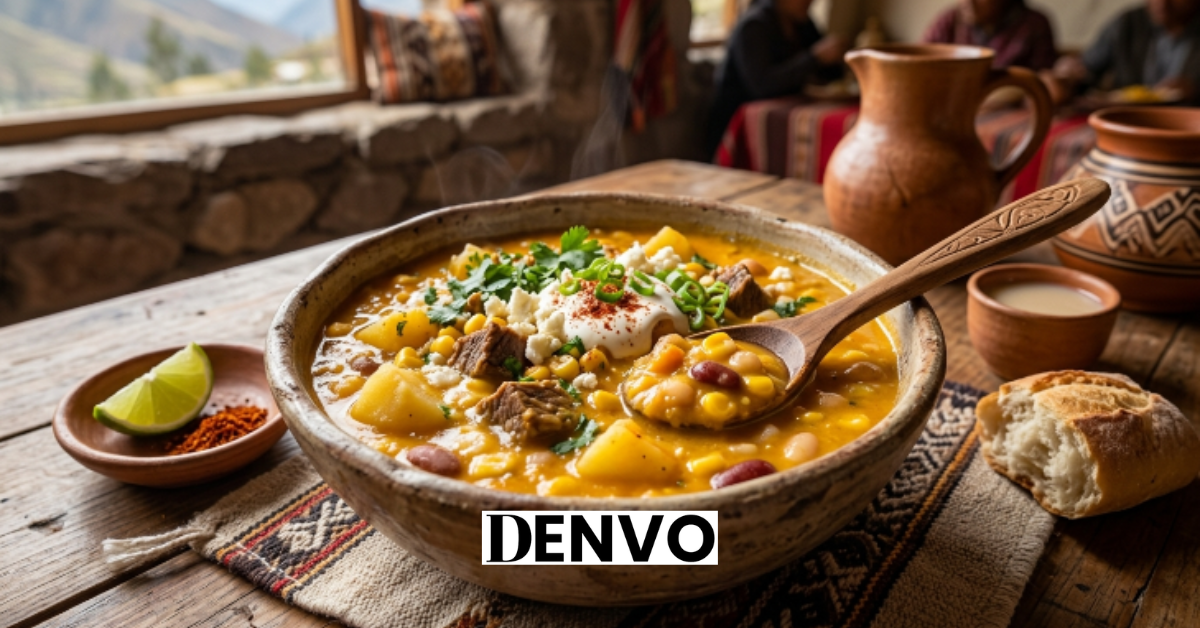
- Pieces of squash that are tender but not mushy
- A broth that’s rich with natural flavor, not artificially thickened
- Visible corn kernels and potato chunks
- Regional presentation (often served in clay bowls)
- Restaurants with Andean or South American heritage
Where to Find the Best Locro de Zapallo Near Me
Restaurant Types That Serve Authentic Locro de Zapallo
Finding the best locro de zapallo near you requires knowing which establishments take this dish seriously. Authentic locro de zapallo isn’t typically on mainstream menus—you need to look in the right places.
Andean or South American Restaurants remain your best bet. These establishments often feature Bolivia, Argentina, or Peru as their primary cuisine focus. Staff members understand the dish’s cultural significance and maintain traditional recipes. When you ask for locro de zapallo in these restaurants, you’re getting something made with respect and proper technique.
Latin American Community Centers and cultural organizations sometimes host seasonal dinners featuring traditional dishes. These events offer genuine locro de zapallo made by community members who grew up eating it. Check local event calendars and community bulletin boards.
Farmers Markets with South American Vendors increasingly feature prepared foods from Andean regions. Vendors selling locro de zapallo typically make it fresh daily and source authentic ingredients like fresh zapallo when available.
Specialty Food Shops in neighborhoods with Argentine, Bolivian, or Peruvian communities often prepare locro de zapallo. These shops prioritize authenticity because their customer base demands it.
Tips for Your Search
Use location-based search terms like “locro de zapallo near me,” “authentic Argentine stew,” or “Andean food [your city].” Google Maps and local food review sites will reveal restaurants you might otherwise miss.
Ask questions before ordering. Call ahead and ask:
- How long do they simmer the stew?
- Do they use fresh butternut squash?
- Is the recipe family-passed or original creation?
- Are they using traditional spices and methods?
Check online reviews specifically for mentions of locro de zapallo. Look for reviewers who mention authenticity, ingredient quality, and traditional preparation. Skip reviews that just say “good stew”—you want detailed feedback.
Visit during peak seasons (fall and winter) when locro de zapallo appears more frequently. Restaurants often feature it as a special during colder months, when demand for hearty stews increases.
Making Authentic Locro de Zapallo at Home

Sourcing Quality Ingredients
To make the best locro de zapallo, you need quality ingredients you can trust. This isn’t a dish where shortcuts work—the stew tastes only as good as what goes into it.
Finding Butternut Squash (Zapallo): Look for farmers markets during fall and early winter when zapallo is in season. Choose squash that feels heavy for its size, with firm skin and no soft spots. If fresh zapallo isn’t available, many farmers market vendors can special-order it. Frozen butternut squash works in a pinch but lacks the natural sweetness of fresh.
Sourcing Corn: Fresh corn kernels create the best texture and flavor. During corn season, visit farmers markets and ask vendors for local varieties. Frozen organic corn is acceptable year-round. Canned corn is your last resort but will still work if quality products from reputable brands are used.
Potato Selection: Use waxy potatoes like Yukon Golds rather than starchy Russets. Waxy varieties hold their shape during long cooking, creating better texture in the finished stew.
Spices and Herbs: Cumin and paprika are essential. Buy whole cumin seeds and toast them lightly before grinding—the difference in flavor is dramatic. Quality paprika makes a significant difference too.
Step-by-Step Cooking Method
Preparation (20 minutes):
- Cut 2 lbs butternut squash into 1-inch cubes
- Cut 1.5 lbs potatoes into similar-sized cubes
- Dice 2 large onions and mince 4 garlic cloves
- Measure 2 cups fresh or frozen corn kernels
Cooking (90 minutes total):
Heat 2 tablespoons olive oil in a large, heavy-bottomed pot. Sauté onions until softened (about 5 minutes). Add garlic and cook for another minute. Toast 1 teaspoon cumin seeds briefly—you’ll smell the aroma intensify.
Add your butternut squash cubes and cook for 3-4 minutes, stirring occasionally. This caramelizes the squash edges slightly, developing deeper flavor. Pour in 8 cups quality beef or vegetable broth. Add 1 teaspoon paprika, salt, and pepper to taste.
Bring to a boil, then reduce heat to a gentle simmer. Add potato cubes and cook for 20 minutes until potatoes begin softening. Add corn kernels and continue simmering for another 15-20 minutes until squash is completely tender but not falling apart.
The final texture matters: The locro de zapallo should have chunks of distinct vegetables suspended in a flavorful broth, not a pureed consistency. If your broth looks too thin, simmer uncovered for 10 more minutes to concentrate flavors.
Achieving Restaurant-Quality Results
Professional cooks understand that locro de zapallo timing is critical. Start with fresh ingredients at room temperature—cold vegetables take longer to cook and result in inconsistent texture.
Season gradually throughout cooking rather than all at the end. This allows flavors to develop naturally and gives you better control over saltiness. Taste frequently during the last 15 minutes of cooking.
Let it rest for 10 minutes after finishing. This allows flavors to settle and distribute. Many experienced cooks will tell you that locro de zapallo tastes even better the next day as flavors continue melding.
Regional Variations of Locro de Zapallo
Argentine Style vs. Bolivian vs. Peruvian Versions
The best locro de zapallo near me might vary depending on which regional tradition your local restaurants follow. Understanding these differences helps you appreciate what you’re eating and cook variations at home.
Argentine Locro emphasizes the natural sweetness of butternut squash and typically includes chorizo or other regional meats. Argentine cooks often add fresh cilantro at the end and serve the stew with crusty bread for soaking up the broth. The overall flavor is slightly spicier than other versions.
Bolivian Locro de Zapallo stays closer to pre-Columbian roots and often incorporates beans for added protein and texture. Bolivian versions sometimes include dried chiles, giving them deeper heat and complexity. The broth tends to be thicker, almost stew-like rather than soupy.
Peruvian Variations might include ají peppers or fresh lime juice for brightness. Some Peruvian recipes add potatoes and ground meat, creating a heartier version. Fresh herbs like parsley and scallions are common garnishes.
Creating Your Own Variation
Once you’ve mastered the basic locro de zapallo recipe, experimenting becomes fun. Try these additions:
- Beans – add 1 cup cooked kidney beans or black beans during the last 10 minutes
- Fresh Herbs – finish with cilantro, parsley, or fresh basil
- Heat Elements – add sliced jalapeños or a pinch of cayenne for warmth
- Proteins – stir in chorizo or cooked ground beef during the last 15 minutes
- Vegetables – add carrots, celery, or bell peppers for different flavor profiles
The foundation remains the same—butternut squash, potatoes, corn, and broth—but these additions let you personalize the dish while respecting its traditions.
Tips for Enjoying the Best Locro de Zapallo Experience
Pairing & Serving Suggestions
The best locro de zapallo near me should be served thoughtfully. Traditional accompaniments enhance the experience and help you appreciate the dish fully.
Serve locro de zapallo with crusty bread or empanadas on the side. The bread soaks up the flavorful broth—this isn’t optional but fundamental to the eating experience. Many Argentine restaurants serve locro with a side of fresh salsa criolla (onion and tomato salad) for brightness.
Temperature matters. Always serve locro de zapallo hot, ideally in warmed bowls. The warmth releases aromas and helps flavors bloom on your palate. Cold locro de zapallo loses much of its appeal.
Portion size should be generous. This is a complete meal, not a side dish. One large bowl with bread constitutes a satisfying lunch or dinner. Many people order a single serving of locro and feel completely satisfied afterward.
Seasonal Timing
Hunt for the best locro de zapallo near you during fall and winter months (September-March in Southern Hemisphere, October-April in Northern Hemisphere). This is when butternut squash reaches peak ripeness and restaurants feature locro most prominently.
Summertime locro de zapallo is possible but less common and sometimes less flavorful due to squash quality. If you’re making it at home year-round, buy the best butternut squash available—don’t force it out of season.
Storage & Reheating
Homemade locro de zapallo keeps well. Store it in airtight containers in the refrigerator for up to 4 days. The flavors actually improve as the stew sits—by day two or three, it tastes noticeably better.
Freeze it successfully in portions for up to 3 months. Thaw overnight in the refrigerator and reheat gently on the stove, adding a splash of broth if needed. Never microwave—gentle stovetop reheating preserves texture and flavor.
CONCLUSION
Finding or making the best locro de zapallo near you doesn’t require luck—it requires knowing where to look and what to expect. Whether you’re exploring local Andean restaurants or cooking in your own kitchen, this traditional squash stew offers comfort, nutrition, and a taste of South American heritage.
Start your search at Andean restaurants and cultural food vendors in your area. Ask questions about preparation methods and ingredients. Don’t settle for inferior versions that miss the mark on authenticity.
Or master the recipe yourself using quality fresh ingredients and traditional cooking methods. The process is straightforward, the results are rewarding, and you’ll understand why locro de zapallo has survived centuries of tradition.
Remember: authentic locro de zapallo isn’t complicated—it’s the opposite. Simple ingredients simmered with care create something remarkable. Whether you find it in a restaurant or make it at home, savor each spoonful and appreciate the culinary heritage behind this beautiful dish.
Ready to explore? Start searching for the best locro de zapallo near you today, or gather ingredients and cook your first batch this weekend. Either way, your taste buds will thank you.
FAQs
What is the difference between locro de zapallo and regular squash soup?
Locro de zapallo is fundamentally different from soup. While both use butternut squash and broth, locro de zapallo maintains distinct chunks of vegetables suspended in a flavorful liquid, whereas soup is often pureed or more broth-heavy. Locro de zapallo is a stew—heartier, thicker, and more substantial. The cooking method also differs; locro simmers longer to develop deeper flavors through slow cooking. Additionally, locro de zapallo is specifically an Andean dish with cultural and regional significance, while squash soup is a generic preparation found worldwide. Regional spices like cumin and paprika define locro’s character, giving it flavor depth that standard squash soup typically lacks. When searching for the best locro de zapallo near me, understand you’re seeking a specific traditional preparation, not just any squash-based dish.
Can I make locro de zapallo without meat or with different proteins?
Absolutely—locro de zapallo is naturally vegetarian. The traditional base requires no meat whatsoever; butternut squash, potatoes, corn, and broth create a complete, satisfying dish. Vegetarian versions are authentic and delicious. If you want to add protein, beans (kidney beans, black beans, or chickpeas) integrate seamlessly, adding nutrition and texture. For non-vegetarian versions, chorizo, ground beef, or slow-cooked beef can be stirred in during the final cooking stages. Some regional versions include chicken simmered in the broth from the start. The choice depends on your preferences and dietary restrictions. When ordering locro de zapallo at restaurants, confirm whether meat is included if this matters to you. The best locro de zapallo near you accommodates dietary needs while maintaining authentic flavor and character.
Where can I buy fresh butternut squash (zapallo) year-round?
Farmers markets are your best year-round source. Visit during peak squash season (fall and early winter) and ask vendors if they store squash for winter availability. Many farms have root cellars maintaining optimal storage conditions. Grocery stores carry butternut squash year-round, though quality varies. Look for squash that feels heavy, has no soft spots, and has dark green-beige coloring. Specialty Latin American markets or South American grocery stores often carry zapallo specifically and may have better quality than conventional stores. During off-season, frozen butternut squash from reputable organic brands works acceptably in locro de zapallo. Some farmers market vendors accept pre-orders for specific quantities. Build relationships with vendors—they’ll notify you when zapallo arrives. When making locro de zapallo at home, quality butternut squash directly impacts the final dish, so source it thoughtfully regardless of season.
How long does it take to cook locro de zapallo properly?
Plan for approximately 90 minutes from start to finish. Prep work (cutting vegetables) takes 20 minutes. Cooking divides into stages: initial sautéing of onions and garlic (5-10 minutes), squash simmering with broth (20-25 minutes), adding potatoes (20 minutes of simmering), and final corn addition (15-20 minutes until squash is tender). Don’t rush this process. Locro de zapallo requires patient, low-temperature cooking to develop flavors properly. High heat toughens vegetables and creates inconsistent textures. Some traditional cooks simmer locro for 2+ hours for even deeper flavor development. The best locro de zapallo near you was never made quickly—restaurants that produce authentic versions understand that time is an ingredient. When making it at home, accept that this isn’t fast food; it’s slow food in the best sense.
What are good side dishes to serve with locro de zapallo?
Crusty bread is non-negotiable. Traditional accompaniments include fresh salsa criolla (Argentine onion and tomato salad), empanadas (baked or fried pastries), and grilled corn on the cob. In Peru, locro might be served with rice or fresh lime wedges. Simple green salad provides brightness against the stew’s richness. Some regions serve avocado slices as a cooling complement. Cheese (fresh or aged) completes the meal in Argentine tradition. Beverages matter too—red wine, chicha (corn beverage), or herbal tea pair well. The key is choosing sides that provide contrast: fresh elements against the rich stew, light options against the hearty main. When finding the best locro de zapallo near me, observe what experienced restaurants serve alongside it. These pairings aren’t arbitrary—they’re refined through generations of dining tradition.
How do I know if a restaurant serves authentic locro de zapallo?
Ask specific questions before ordering. Inquire about cooking time, ingredient sourcing, and regional recipe origin. Authentic locro de zapallo should list butternut squash, potatoes, corn, and broth as primary ingredients. Be wary of restaurants that add unexpected thickeners or shortcuts. Check online reviews for specific mentions of authenticity and ingredient quality. Look for phrases like “simmered,” “traditional recipe,” or “family-made.” Visit during appropriate seasons—fall and winter when locro is featured, not summer specials. Examine the dish when served. Real locro has visible distinct vegetables, not pureed consistency. The broth should taste rich from slow simmering, not artificially flavored. Ask your server about the dish—knowledgeable staff indicate a restaurant that respects this tradition. Visit establishments serving Andean, Argentine, Bolivian, or Peruvian cuisine. These restaurants understand locro de zapallo’s cultural significance and typically maintain authentic preparations. When hunting for the best locro de zapallo near you, these signs guide you toward genuine experiences.