

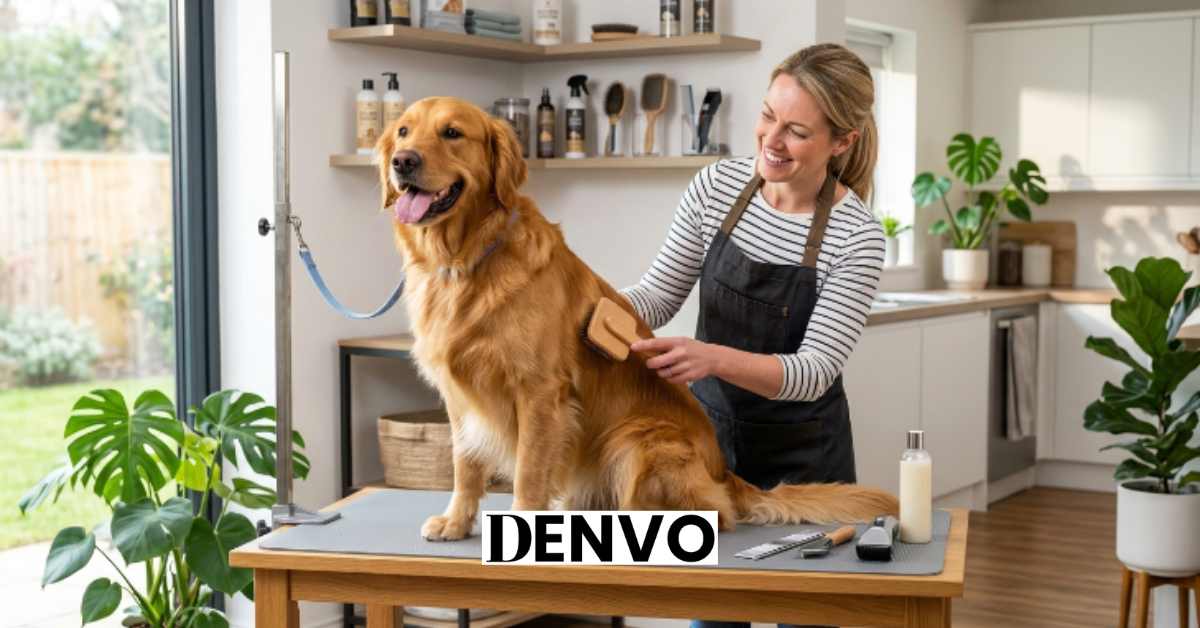
Introduction
Does your dog dash under the bed the moment you say “bath time”? You’re not alone. Most new dog owners assume grooming means an expensive trip to the salon every few weeks.
But here’s the truth: with the right dog grooming tips at home, you can keep your pup clean, healthy, and happy without spending a fortune.
This guide breaks down everything a beginner needs — from the tools you actually need, to step-by-step brushing and bathing routines, to nail trims that won’t end in a wrestling match. By the end, you’ll have a simple, stress-free home grooming routine you can repeat every week.
Why Grooming Your Dog at Home Matters
Grooming isn’t just about making your dog look good for photos. It’s a core part of your dog’s health routine — right up there with feeding and exercise.
When you skip regular grooming, small problems turn into big ones. A few tangled mats can hide skin infections. Overgrown nails can change how your dog walks. Dirty ears can lead to painful infections.
The Real Benefits of At-Home Grooming
Learning basic dog grooming tips at home gives you more than a tidy-looking pet:
- Saves money — Professional grooming sessions often cost $40–$100 per visit, while at-home grooming mainly costs you time and a one-time tool investment.
- Builds trust — Regular handling helps your dog get comfortable with touch, which makes vet visits easier too.
- Early health detection — While brushing or bathing, you’ll notice lumps, ticks, or skin issues before they become serious.
- Reduces shedding — Regular brushing at home can cut down loose fur around your house significantly.
Take Sarah, a first-time dog owner with a Labrador puppy named Max. She used to take Max to a groomer every three weeks. After learning basic home grooming, she now handles brushing and baths herself and only visits a professional twice a year for a full trim. She says the biggest surprise wasn’t the money saved — it was how much calmer Max became during grooming once he got used to her hands.
Bottom line: at-home grooming isn’t a replacement for veterinary care, but it’s a powerful habit that supports your dog’s overall wellbeing between checkups.
Essential Tools You Need for At-Home Dog Grooming

You don’t need a salon-grade setup. A handful of well-chosen tools cover almost everything.
Must-Have Grooming Tools
- Slicker brush — Best for removing loose fur and preventing mats, especially for dogs with medium to long coats.
- Bristle brush — Ideal for short-haired breeds; gently lifts dirt and distributes natural oils.
- Dog-specific shampoo — Human shampoo can dry out a dog’s skin because of pH differences, so always use a formula made for dogs.
- Nail clippers or grinder — Choose guillotine-style clippers for small-to-medium dogs, or a grinder if your dog is nervous around clicking sounds.
- Cotton balls and ear cleaner — For gentle, safe ear maintenance.
- Detangling spray — A lifesaver for dogs with curly or long coats prone to mats.
- Non-slip mat — Keeps your dog steady and confident during bath time.
Optional but Helpful
- A grooming table or non-slip platform (even a sturdy table with a towel works)
- Dog-safe nail file for smoothing rough edges after trimming
- A handheld dryer with a low-heat, low-noise setting
Pro tip: Buy tools suited to your dog’s coat type, not just whatever is cheapest. A short-haired Beagle and a fluffy Pomeranian need very different brushes — using the wrong one can actually damage the coat or skin.
Once you have these basics, you’re equipped to handle 90% of routine grooming needs without ever booking a salon appointment.
Step-by-Step Guide: Brushing, Bathing, and Drying
This is the heart of any home grooming routine. Get these three steps right, and everything else becomes easier.
Brushing Your Dog
- Start at the head and work toward the tail in the direction of hair growth.
- Use short, gentle strokes — never tug at mats; instead, work them loose with your fingers first.
- Brush 2–3 times a week for short coats, and daily for long or double coats.
- Always check for ticks, fleas, or skin redness while brushing.
Bathing Your Dog
- Brush first — wet, tangled fur is much harder to manage.
- Use lukewarm water, never hot, and test it on your wrist first.
- Apply dog shampoo and massage gently in circular motions, avoiding the eyes and ears.
- Rinse thoroughly — leftover shampoo is the most common cause of itchy, flaky skin.
- Bathe most dogs every 4–6 weeks, unless your vet recommends otherwise; over-bathing strips natural oils.
Drying Your Dog
- Towel-dry first to remove excess water.
- If using a dryer, keep it on the lowest heat setting and constant motion to avoid burning sensitive skin.
- Long-haired breeds may need extra time and a comb-through while drying to prevent new mats from forming.
A simple example: a Golden Retriever named Bella used to shake water everywhere and bolt after baths. Her owner started using a microfiber towel wrap and a calm, slow-drying routine. Within a few sessions, Bella associated bath time with a cozy towel cuddle instead of stress.
Following these dog grooming tips at home consistently turns bath time from a battle into a bonding routine.
Nail Trimming, Ear Cleaning, and Other Often-Forgotten Tasks
Brushing and bathing get the spotlight, but these smaller tasks matter just as much.
Nail Trimming
- Trim nails every 2–4 weeks, or when you hear them clicking on the floor.
- Cut only the tip, avoiding the quick (the pink area with blood vessels and nerves).
- If your dog has dark nails, trim small amounts at a time and watch for a grayish-white ring — that signals you’re close to the quick.
- Keep styptic powder nearby in case of accidental nicks; it stops bleeding quickly.
Ear Cleaning
- Check ears weekly for redness, odor, or excess wax.
- Use a vet-approved ear cleaner on a cotton ball — never insert cotton swabs into the ear canal.
- Floppy-eared breeds (like Cocker Spaniels) need more frequent checks since trapped moisture invites infections.
Eye and Teeth Care
- Wipe away tear stains gently with a damp, soft cloth.
- Brush teeth 2–3 times a week with dog-safe toothpaste to prevent tartar buildup.
Anal Gland Awareness
- If your dog drags their bottom on the floor or licks excessively, their anal glands may need attention — this is one task many owners leave to professionals, and that’s completely fine.
These small habits, done consistently, prevent painful infections and expensive vet visits down the line. They’re a key part of any complete home grooming checklist, not just an afterthought.
Common At-Home Grooming Mistakes (and How to Avoid Them)
Even well-meaning owners make mistakes that turn grooming into a stressful experience for both dog and human.
Mistake #1: Rushing the Process
Dogs pick up on stress immediately. Rushing through brushing or bathing makes them anxious for next time. Fix: Set aside 20–30 calm, distraction-free minutes.
Mistake #2: Using the Wrong Products
Human shampoo, scented sprays, or essential oils can irritate a dog’s sensitive skin. Fix: Stick to dog-specific, vet-approved products only.
Mistake #3: Skipping the Brush-Before-Bath Step
Wet mats tighten and become painful to remove later. Fix: Always detangle before introducing water.
Mistake #4: Over-Trimming Nails
Cutting too close to the quick causes pain and bleeding, which can make your dog fearful of future nail trims. Fix: Trim small amounts gradually, especially with dark nails.
Mistake #5: Ignoring Body Language
Growling, pulling away, or freezing are signs your dog is uncomfortable — not signs to “push through.” Fix: Take breaks, use treats, and build tolerance gradually over several sessions.
Avoiding these mistakes is often what separates a dog that tolerates grooming from one that genuinely relaxes into it.
Conclusion
Grooming your dog at home doesn’t require professional training — just the right tools, a little patience, and a consistent routine. From brushing and bathing to nail trims and ear checks, these dog grooming tips at home cover everything a beginner needs to keep their dog clean, comfortable, and healthy between vet visits.
Start small: pick one habit, like weekly brushing, and build from there. Over time, grooming becomes less of a chore and more of a bonding ritual your dog actually looks forward to.
If you found this guide helpful, consider bookmarking it as your go-to reference for home grooming, and check out our related guides linked below for more breed-specific tips.
FAQs
How often should I groom my dog at home?
It depends on the task. Brushing should happen 2–3 times a week for short coats and daily for long or double coats. Bathing is generally needed every 4–6 weeks, though dogs with skin conditions may need a different schedule recommended by a vet. Nail trims are usually needed every 2–4 weeks, and ear checks should be a weekly habit. Following a consistent home grooming tips routine prevents small issues from building up between sessions. If you’re unsure about your dog’s specific needs, your vet or a professional groomer can give you a tailored schedule based on breed and coat type.
What are the basic dog grooming tools for beginners?
For most beginners, the essentials are a slicker or bristle brush (depending on coat type), dog-specific shampoo, nail clippers or a grinder, ear cleaner with cotton balls, and a detangling spray for longer coats. A non-slip mat for the bath area also makes the process safer and less stressful. You don’t need to buy everything at once — start with a brush and dog shampoo, then add tools as you get comfortable with the basics of at-home grooming.
Can I bathe my dog too often?
Yes. Bathing too frequently can strip natural oils from your dog’s skin and coat, leading to dryness, itching, or irritation. Most dogs do well with a bath every 4–6 weeks unless they get unusually dirty or have a skin condition requiring medicated washes. If your dog has skin allergies, always check with your vet before adjusting bathing frequency, since their needs may differ from a typical dog grooming tips at home schedule.
How do I trim my dog’s nails safely at home?
Use sharp, dog-specific clippers and trim only the tip of the nail, staying away from the quick (the pink, sensitive area with blood vessels). Trim small amounts gradually, especially if your dog has dark nails where the quick isn’t visible. Keep styptic powder nearby in case of an accidental nick. If your dog is extremely anxious about nail trims, consider using a grinder instead of clippers, since the sound and motion can feel less startling once they’re used to it.
What’s the best way to groom a dog that hates being groomed?
Start slow and keep sessions short — even just 5 minutes at first. Pair grooming with treats and praise so your dog associates it with something positive rather than stress. Gradually increase the duration as your dog becomes more comfortable. Avoid restraining your dog forcefully, as this often increases fear long-term. If your dog shows extreme anxiety or aggression during grooming, a professional groomer or trainer experienced with fearful dogs can help you build a better routine safely.
Is professional grooming still necessary if I groom at home?
Not always, but it depends on your dog’s breed and coat. Breeds with complex coats (like Poodles or Shih Tzus) often need professional trims every few months for style and coat health, even if you handle brushing and bathing at home. For most short or medium-coated breeds, consistent home grooming can cover the majority of their needs, with occasional professional visits for nail grinding or sanitary trims if you’re not comfortable doing those yourself.