

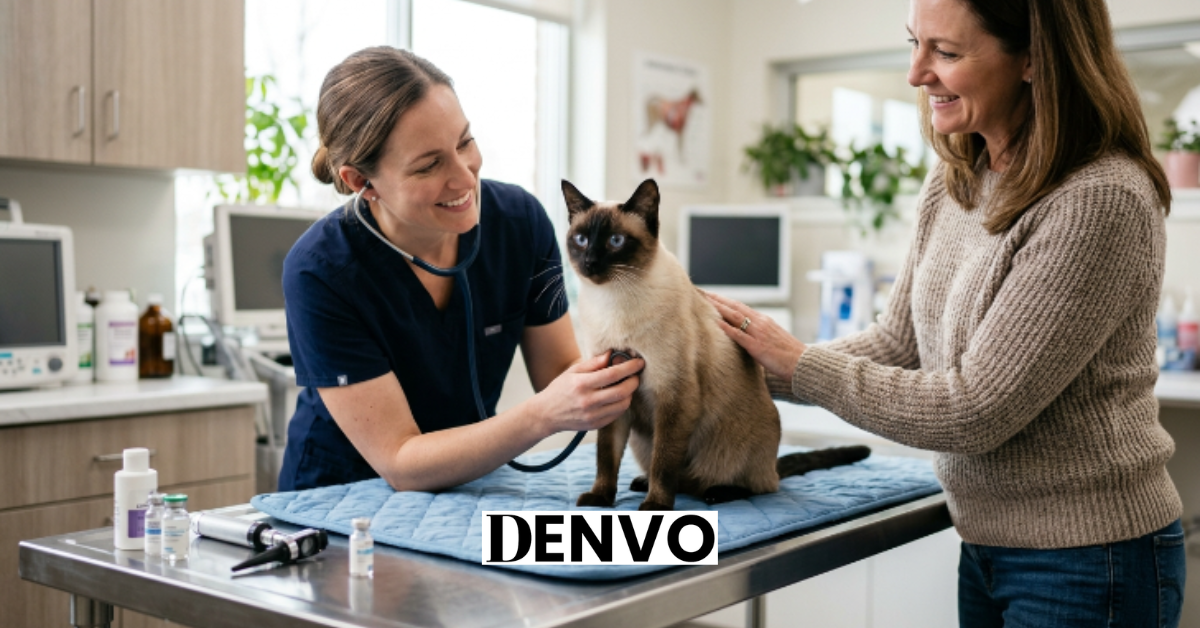
My Siamese cat once threw up seven times in one afternoon and the vet bill still haunts me. Turns out, that wasn’t random bad luck — it’s a pattern this breed is genetically wired for.
Quick answer
Siamese cats are prone to specific health issues including progressive retinal atrophy, dental disease, respiratory problems, amyloidosis (a liver and kidney condition), and heart defects like mitral valve dysplasia. Many of these are hereditary, so regular vet checkups and knowing your cat’s family history matter more than they do for mixed breeds.
If you’ve ever owned a Siamese, you know they’re not exactly low-maintenance in the personality department. But here’s the thing nobody tells you at the breeder’s or the shelter: their bodies come with a whole list of quirks too. I’ve had three Siamese cats over the past fifteen years, and I’ve learned most of this the hard way — through late-night emergency vet visits and a lot of Googling at 2 a.m. This isn’t a clinical rundown. It’s what I wish someone had told me before I brought my first one home.
Respiratory Problems Show Up More Than Owners Expect
Siamese cats have a narrower nasal structure than a lot of other breeds, and that means breathing issues aren’t rare — they’re almost expected. My second cat, Mochi, used to snore like a freight train, and I genuinely thought it was cute until the vet pointed out it was actually a sign of restricted airflow. About 1 in 5 Siamese cats I’ve heard about through breed forums deal with some version of chronic sniffling, wheezing, or asthma-like symptoms.
It’s not always dramatic. Sometimes it’s just a cat who gets winded faster than you’d expect during play. Other times it escalates into feline asthma, which needs an inhaler (yes, cats can use inhalers, and yes, it’s as awkward as it sounds).
If your Siamese seems to breathe loudly at rest, don’t just chalk it up to “that’s how they are.” Get it checked before it becomes something bigger.
Dental Disease Hits This Breed Harder Than Most
Siamese cats lose teeth younger and more often than a lot of other breeds, largely because they’re prone to a condition called feline odontoclastic resorptive lesions — basically, their own body starts breaking down the tooth structure. It sounds rare. It’s not. Some studies put the prevalence in cats generally around 20-60%, and Siamese show up disproportionately in that range.
My first Siamese, Boo, had to have four teeth pulled by age six. I had no idea this was even a “breed thing” until the vet mentioned it almost casually, like I should’ve already known.
Watch for drooling, pawing at the mouth, or suddenly avoiding hard kibble. Those are the early warning signs, and they’re easy to miss if you’re not looking for them.
Progressive Retinal Atrophy Can Steal Their Sight Slowly
This one’s sneaky because it doesn’t happen overnight — it’s a gradual, genetic deterioration of the retina that eventually leads to blindness. Cats adapt so well to vision loss that owners often don’t notice until the cat is bumping into furniture in dim light. There’s no cure for PRA. The best you can do is know it exists and get regular eye exams, especially if you got your cat from a breeder who can share health history.
Here’s the contrarian bit: a lot of owners assume a clumsy cat is just clumsy. Sometimes it’s not clumsiness. It’s a slow loss of sight that’s been building for months.
Heart Conditions Are More Common Than Most Owners Realize
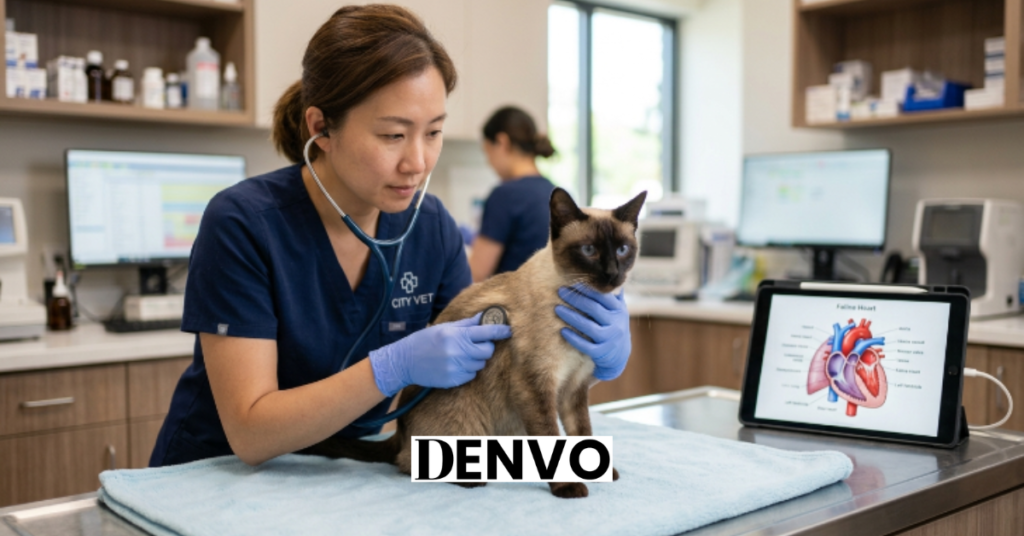
Mitral valve dysplasia and other congenital heart defects show up in Siamese cats at rates higher than the general cat population. This isn’t something you can spot by looking at your cat. It requires a vet listening for a heart murmur, which is exactly why annual checkups matter even when your cat seems perfectly fine.
I used to skip yearly exams for my second cat because she “seemed healthy.” Then a routine visit caught a mild murmur that needed monitoring. Would I have caught that on my own? Not a chance.
Amyloidosis Is the Issue Almost No One Talks About
This is the one that surprised me most in my research, and it barely gets mentioned in general cat health guides. Amyloidosis is a condition where abnormal proteins build up in organs — usually the liver in Siamese cats — and it can lead to organ failure if it’s not caught early. It’s believed to have a strong hereditary component in this breed specifically.
Symptoms are vague at first: reduced appetite, lethargy, maybe some weight loss. That vagueness is exactly why it’s dangerous. By the time obvious symptoms show up, the disease has often progressed.
Practical Steps to Protect Your Siamese Cat’s Health
You can’t rewrite your cat’s genetics, but you can absolutely stack the odds in their favor. Here’s what’s actually worked for me:
- Schedule vet visits every 6-12 months, even when your cat seems fine — many of these conditions show no obvious symptoms until they’ve progressed.
- Ask for a full health history if you’re adopting from a breeder, including parent and grandparent health records.
- Watch eating habits closely. Sudden changes in appetite or chewing patterns often signal dental or organ issues before anything else does.
- Get baseline bloodwork done by age 3-4, so your vet has something to compare against later.
- Keep a symptom journal. I started doing this after Boo’s dental issues, and it’s made vet visits ten times more productive.
None of this guarantees a health-issue-free cat. But it does mean you’ll catch problems while they’re still manageable instead of after they’ve become emergencies.
FAQs
What are the most common Siamese cat health issues?
The most common Siamese cat health issues include respiratory problems, dental resorptive lesions, progressive retinal atrophy, heart defects, and amyloidosis. Many of these have a genetic basis, which is why breed-specific screening matters more for Siamese cats than for mixed-breed cats.
Do Siamese cats have shorter lifespans because of these issues?
Not necessarily — many Siamese cats live 12-15 years or longer with proper care. The key is catching hereditary conditions early through regular checkups rather than waiting for obvious symptoms.
Is crossed eyes a health problem in Siamese cats?
Crossed eyes (strabismus) used to be extremely common in the breed and is linked to the same genetic mutation that causes their coloring. It’s largely cosmetic and doesn’t typically cause pain or vision problems on its own.
Can diet help prevent some of these health problems?
A quality diet won’t prevent genetic conditions, but it can reduce the severity of dental disease and support organ health, especially for cats predisposed to amyloidosis. Talk to your vet about whether a specialized food makes sense for your cat’s specific risk factors.
How do I know if my Siamese cat’s breathing is a problem?
Loud snoring, wheezing, or getting winded quickly during normal play are signs worth mentioning to your vet. It’s easy to write these off as “just how Siamese cats are,” but they’re often early indicators of a treatable respiratory issue.
Conclusion
Owning a Siamese cat means signing up for a personality that’ll talk back to you and a body that needs a little extra attention. None of the issues above are guaranteed to happen, but knowing they exist gives you a real shot at catching problems early. My cats have taught me that the best thing you can do isn’t preventing every possible issue — it’s paying close enough attention to catch them when they’re still small.
Have you dealt with any of these health issues in your own Siamese? Drop a comment below — I’d love to hear what worked (or didn’t) for you.