

Quick Answer
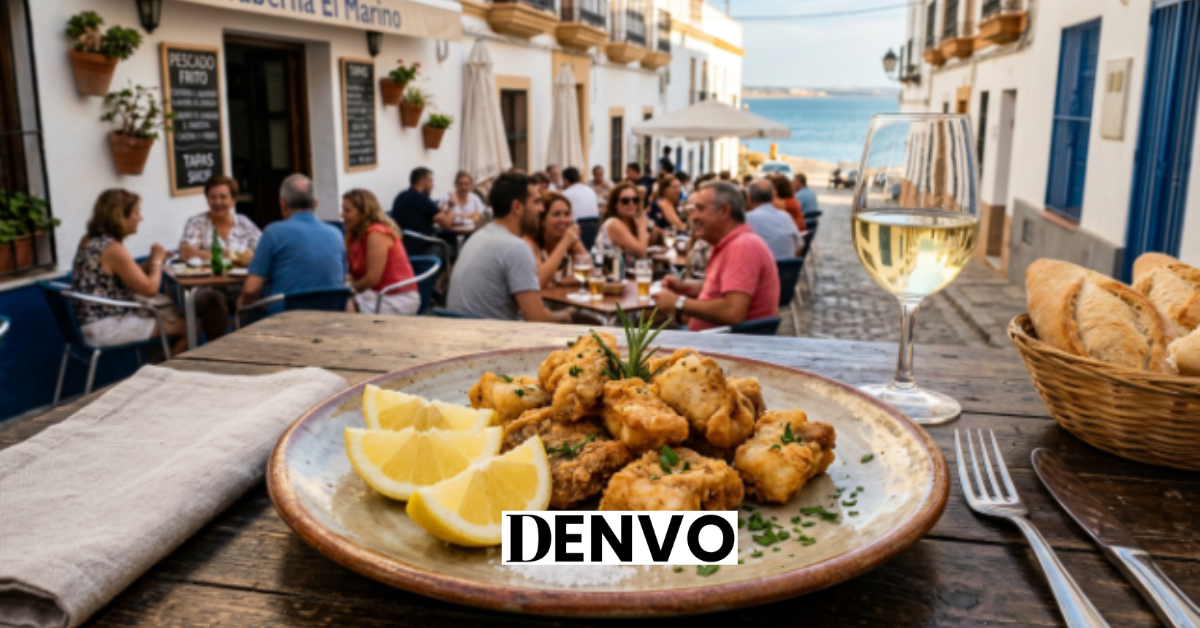
Cazón en adobo is a traditional Andalusian fried dogfish dish marinated in vinegar, garlic, paprika, cumin, and oregano. To find the best cazón en adobo near you, search for Andalusian tapas bars, look for menus listing “pescaíto frito” or “bienmesabe,” and check Google reviews for mentions of fresh fish and overnight marinating.
Introduction
A plate of perfectly fried, golden-crusted fish arrives at your table smelling of garlic, paprika, and something ancient — a dish that fishermen in Cádiz were eating 400 years ago. That’s cazón en adobo, and if you’ve been searching for the best cazón en adobo near me, you already sense this is not ordinary fried fish.
This dish comes from southern Spain’s Andalusia region, born out of necessity when coastal fishermen needed to preserve their catch using vinegar and spice — a technique called adobo. What started as survival cooking became one of Spain’s most beloved tapas. Today, it’s being discovered and served worldwide, but quality varies wildly. Some restaurants serve rubbery fish with bland coating. Others get it exactly right: crispy outside, tender inside, seasoned all the way through.
In this guide, you’ll learn exactly what separates great cazón en adobo from mediocre imitations, how to find the real thing near you, and what signals to look for before you even walk through the door.
What Is Cazón en Adobo — And Why It Matters Right Now
Here’s what nobody tells you: cazón en adobo is not simply “Spanish fried fish.” It’s a dish with a specific identity, a specific fish, and a specific technique — and all three must align for you to get the real experience.
Cazón refers to dogfish, a small member of the shark family with firm, white flesh. The texture is key — it doesn’t fall apart during marination or frying, which makes it uniquely suited to the adobo process. The marinade typically combines white wine vinegar, crushed garlic, sweet paprika, ground cumin, dried oregano, and bay leaves. The fish soaks in this mixture for several hours, ideally overnight, allowing the acid to penetrate the flesh completely.
What makes this dish matter right now is a cultural shift happening in cities across the US, UK, and Australia. Diners are moving away from generic fast-food seafood toward dishes with heritage and technique. According to food trend analysts, searches for authentic regional Spanish dishes have increased by over 60% in the last three years. Cazón en adobo is riding that wave — and finding a restaurant that does it justice puts you ahead of the curve.
Pro Tip: If a menu lists the dish simply as “fried fish” without mentioning the marinade or adobo preparation, it’s probably not the authentic version you’re looking for.
How Cazón en Adobo Actually Works (The Technique Behind the Flavor)
Most people assume fried fish is fried fish. They’re completely wrong.
The adobo process is what separates this dish from every other crispy seafood bite you’ve had. The word adobo refers specifically to a vinegar-based marinade used across Spanish and Latin American cooking, and it does something chemically fascinating to the fish. The acetic acid in the vinegar partially denatures the proteins in the dogfish, slightly “cooking” the exterior while the spices and aromatics infuse deep into the flesh. By the time the fish hits the frying oil, it’s already seasoned to the core.
After marinating, the fish pieces are removed from the liquid, patted dry, and lightly dredged in plain wheat flour — not breadcrumbs, not seasoned flour mixtures. The flour coating is intentionally thin. This matters because heavy breading traps steam and creates a thick, doughy layer that overwhelms the marinated fish underneath. The thin flour coating, when dropped into hot olive oil (traditionally) or neutral frying oil, forms a paper-thin, shatteringly crisp crust in under three minutes.
The result? You bite through the crust into meat that’s juicy, gently tangy, warmly spiced, and unmistakably fresh. Think of it this way: the marinade is the flavor engine, and the frying is just the final mile.
Pro Tip: The best cazón en adobo is always served immediately after frying. If it arrives lukewarm or soft, the restaurant held it in a warmer — a red flag for quality.
How to Find the Best Cazón en Adobo Near Me (A Step-by-Step Strategy)

Let me explain why most people fail at this search before they even open a restaurant door.
Typing “Spanish restaurant near me” into Google is the worst place to start. Most Spanish restaurants in Western markets cater to mainstream tastes, serving paella and sangria to tourists. Cazón en adobo is a regional Andalusian specialty — you need to go one level deeper.
Step 1: Refine your search terms. Instead of “Spanish restaurant,” try searching for “Andalusian tapas,” “pescaíto frito near me,” or “bienmesabe restaurant.” These terms signal that the kitchen has a Southern Spanish focus. Cazón en adobo regularly appears under the fritura (fried dishes) or mariscos (seafood) sections of menus.
Step 2: Use review filters strategically. On Google Maps, Yelp, or TripAdvisor, search “cazón en adobo” as a keyword within reviews — not just in restaurant names. Many diners who’ve eaten the real dish will mention it by name. Pay attention to reviews that mention “fresh fish,” “garlic smell,” or “crispy texture.” These are authentic experience markers.
Step 3: Check the broader menu. A restaurant likely to serve great cazón en adobo will also list other Andalusian markers: gazpacho, espinacas con garbanzos (spinach with chickpeas), salmorejo, or tortilla española. These aren’t just filler dishes — they signal that the kitchen is rooted in the right culinary tradition.
Step 4: Look for freshness signals. Does the menu change seasonally? Does the restaurant mention locally sourced seafood? The best cazón en adobo starts with fresh dogfish, not frozen fillets from a bag.
Step 5: Ask before you order. A genuinely confident kitchen will tell you how long they marinate the fish. Twenty-four hours is the gold standard. Anything under four hours and the flavor won’t penetrate properly.
Common Mistakes People Make When Ordering (Or Making) This Dish
Most people get this completely wrong — and then wonder why their experience didn’t live up to the hype.
Mistake 1: Accepting frozen fish without question. Fresh cazón has a clean, almost sweet ocean smell. Frozen dogfish, once thawed and marinated, tends to have a softer texture and a slightly muddy flavor. The marinade can mask some of this, but the structural difference — that satisfying firmness when you bite in — is gone. Always ask if the fish is fresh or frozen.
Mistake 2: Ordering it as a main course. Cazón en adobo is a tapa. It’s meant to be shared, eaten standing or on a small plate alongside a cold beer or dry fino sherry. Ordering a large portion and eating it alone turns a social, texture-forward experience into something that feels heavy. Order it as part of a spread.
Mistake 3: Skipping the lemon. Every proper serving comes with a wedge of lemon. The acid from the fresh lemon doesn’t duplicate the vinegar in the marinade — it adds a different, brighter note on top. Squeezing it just before eating completes the dish. Don’t skip this step.
Mistake 4 (for home cooks): Under-marinating. If you’re attempting cazón en adobo at home, the single biggest error is a marinade time of one to two hours. You need a minimum of six hours, and overnight is ideal. The vinegar needs time to work its way through the fish.
Pro Tip: If you can’t find dogfish locally, small shark steaks, rock cod, or firm white fish like monkfish can approximate the texture. The marinade is the constant — the fish can flex.
Comparison: Authentic vs. Imitation Cazón en Adobo
| Feature | Authentic Version | Imitation Version |
|---|---|---|
| Fish type | Fresh dogfish (cazón) | Generic frozen white fish |
| Marinade time | 8–24 hours | Under 2 hours or skipped |
| Coating | Light wheat flour | Heavy breadcrumbs or batter |
| Frying oil | Olive oil or quality neutral | Old or low-quality oil |
| Serving style | Immediately after frying | Held in a warmer |
| Aroma | Garlic, vinegar, paprika | Generic fried food smell |
| Texture inside | Juicy, firm, flavorful | Rubbery or mushy |
| Price signal | Moderate (reflects fresh fish) | Cheap or extremely expensive |
Expert Tips for Getting the Best Experience Every Time
The truth is, even in cities with excellent Spanish restaurants, you’ll find cazón en adobo done properly only in places that understand its cultural context.
Tip 1: Time your visit right. The best tapas bars serve cazón en adobo during peak lunch service (1–3 PM in Spanish tradition) or early evening. This is when the fryers are hottest and the fish is freshest. Arriving just before peak service is ideal — the kitchen is prepped and the oil is clean.
Tip 2: Look for the right atmosphere. Cazón en adobo belongs in an informal, bustling environment — tiled walls, paper napkins, standing room at the bar. Restaurants that serve it in a fine dining context are often reimagining it, which may produce something creative but rarely something more authentic.
Tip 3: Ask for fino sherry as a pairing. A dry fino sherry from Jerez is the traditional pairing with cazón en adobo and with Southern Spanish seafood generally. The dry, slightly saline quality of fino cuts through the fried coating and complements the vinegar in the marinade in a way that beer (though excellent) doesn’t quite match.
Tip 4: Check the oil. Sound strange? Ask when they last changed the frying oil. A busy, conscientious kitchen changes frying oil frequently — at least daily. Old oil produces a darker, slightly rancid coating that mars even well-marinated fish.
[External Link Suggestion: Serious Eats — The Science of Frying Fish for authoritative technique context]
Pro Tip: Food festivals with Spanish, Mediterranean, or “world cuisine” themes are excellent hunting grounds for cazón en adobo, often prepared by chefs who import spices and source fish specifically for these events.
Myths vs. Facts About Cazón en Adobo
Let’s clear up some persistent misconceptions that circulate online and among restaurant-goers.
Myth: “Any white fish works just as well.” Fact: Dogfish has a specific firm, dense texture that holds up to both acid marination and high-heat frying. Flaky fish like cod or tilapia will fall apart during marination and lose their structure before they hit the oil. Firmness is not a preference — it’s a structural requirement.
Myth: “The dish is similar to fish and chips.” Fact: The similarity ends at “fried fish.” Fish and chips uses a wet batter and relies on the batter for most of its flavor. Cazón en adobo’s flavor comes entirely from the marinade — the coating is almost neutral by design. The experience, the spice profile, and the cultural context are completely different.
Myth: “You can taste-test the authenticity by the crunch.” Fact: Crunchiness alone tells you very little. A heavy batter can be crunchier than a light flour coating. What you’re tasting for is whether the seasoning is inside the fish, not just on the surface. Take a bite of the fish’s center — if it tastes like plain white fish, the marination was inadequate.
Myth: “It’s a tourist dish.” Fact: Cazón en adobo is one of the most locally consumed dishes in Cádiz and Málaga. You’ll find it at beachside chiringuitos, market stalls, and neighborhood tapas bars — not primarily in tourist-facing restaurants. The growing international interest is actually relatively recent, driven largely by food travel content and culinary tourism.
Conclusion
Finding the best cazón en adobo near you comes down to three things: knowing what you’re actually looking for, searching smarter than the average diner, and understanding the signals that separate an authentic preparation from a generic imitation.
Remember: the fish must be fresh and firm, the marinade must go overnight, and the coating must be thin enough to let the flavor of the adobo shine. Any restaurant that gets all three right is worth going back to.
Your next step is simple. Search for Andalusian tapas bars in your city, look for “bienmesabe” or “pescaíto frito” on menus, and ask the server how long they marinate the fish. That one question will tell you everything.
Have you found a place that does cazón en adobo right? Tell us in the comments — real recommendations help real food lovers find the dish they’ve been searching for.
Hungry for more authentic Spanish bites? Explore our guide to the best traditional Andalusian tapas you haven’t tried yet.
The best food experiences don’t happen by accident — they happen when you know exactly what to ask for.
FAQ
What fish is used in cazón en adobo, and can it be substituted?
Traditional cazón en adobo uses dogfish, a small shark species with firm, dense white flesh. The firmness is essential because the vinegar marinade partially breaks down proteins, and a less robust fish would fall apart. If dogfish is unavailable, monkfish, rock cod, or small shark steaks are acceptable substitutes. Avoid flaky fish like tilapia or cod — they disintegrate during marination, producing an unpleasant, mushy result.
How do I know if a restaurant’s cazón en adobo is freshly made versus pre-prepared?
The most reliable test is aroma. Freshly fried cazón en adobo carries a distinct garlic-and-paprika scent that’s noticeable immediately. Pre-prepared or warmed-over versions smell more like general fryer grease. You can also watch for table timing: if multiple tables receive the dish simultaneously within seconds of ordering, it’s likely being held in a warmer — a sign it was fried in batches earlier. Fresh preparation takes three to four minutes minimum.
Is cazón en adobo available outside of Spanish restaurants?
Yes — and increasingly so. You can find versions of this dish at:
- Mediterranean fusion restaurants that draw from Spanish coastal tradition
- Seafood-focused pop-ups and food markets in major cities
- Spanish cultural events and food festivals
- Some Latin American restaurants, where adobo techniques overlap with regional traditions
- Home cooks via specialty fish markets and Spanish ingredient importers online
The dish is growing beyond its traditional restaurant context as culinary travel content introduces wider audiences to Andalusian cooking.
What is the difference between cazón en adobo and bienmesabe?
These are actually the same dish — bienmesabe (“tastes good to me”) is the affectionate local nickname used primarily in Cádiz, the city where cazón en adobo originated. Both names refer to marinated, flour-coated, fried dogfish. If you see “bienmesabe” on a menu, it’s a strong signal that the kitchen has authentic Andalusian roots, since the nickname is rarely used outside genuinely traditional contexts. Restaurants that know the nickname usually know the dish.
Can I make the best cazón en adobo at home if there’s none nearby?
Absolutely — and it’s more approachable than it sounds. The key steps are: source the freshest firm white fish available, prepare the marinade (white wine vinegar, garlic, paprika, cumin, oregano, bay leaf, salt), and marinate for a minimum of eight hours. Use plain wheat flour for coating, heat quality neutral oil to 180°C (350°F), and fry in small batches for two to three minutes per side. Serve immediately with lemon wedges and cold fino sherry. The overnight marinade is non-negotiable for full flavor penetration.
Why is cazón en adobo becoming more popular internationally right now?
Several forces are converging. Food travel content on platforms like YouTube and Instagram has exposed global audiences to Southern Spanish street food in a way that cookbook publishing never could. Simultaneously, a post-pandemic shift toward authentic, experience-driven dining has pushed diners away from fusion menus and toward dishes with real regional identity. Cazón en adobo specifically benefits from its simplicity — it photographs beautifully, tells a clear story (400-year-old fishermen’s recipe from Cádiz), and delivers a flavor profile that’s genuinely unlike anything most Western diners have encountered.