
I ruined my first batch of hard cider by trusting a recipe that promised “five-minute fermentation.” There’s no such thing, and I learned that the hard way in a sticky kitchen mess.
Quick answer
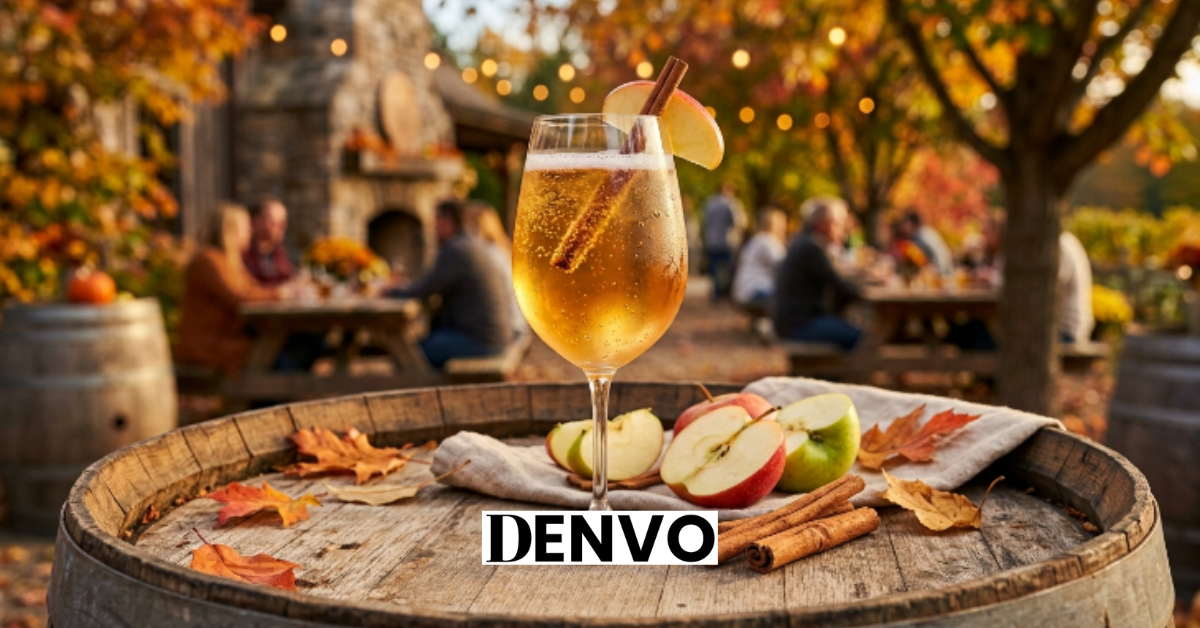
An apple cider alcohol drink is any beverage made by fermenting apple juice (hard cider) or by mixing cider with spirits like whiskey, rum, or vodka. Alcohol content ranges from 4% to 8% for traditional hard cider, higher for cocktails. Both options deliver that crisp, autumn-in-a-glass flavor people crave.
If you’ve ever stood in the beer aisle staring at a wall of cider cans wondering which one won’t taste like liquid candy, you’re not alone. This drink has exploded in popularity over the last few years, and for good reason. It’s easier to make at home than most people think, and it pairs with everything from pork chops to spicy Thai food. I’ve spent more weekends than I’d like to admit testing batches, buying six-packs, and asking bartenders way too many questions. Here’s what actually matters.
What Exactly Counts as an Apple Cider Alcohol Drink
An apple cider alcohol drink falls into two camps: fermented hard cider and mixed cider cocktails. Hard cider is simply apple juice that’s been fermented with yeast, similar to how grapes become wine. The process typically takes two to four weeks and produces a drink with 4-8% ABV, though some craft versions push past 10%.
Cocktails, on the other hand, combine unfermented (or lightly fermented) cider with a base spirit. Think whiskey and cider, or spiced rum with a cider splash. These drinks usually clock in higher on the alcohol scale, sometimes 15% or more depending on the pour.
Both versions share that distinct apple tang, but they’re made completely differently. Confusing the two is the number one mistake I see people make when they’re just getting started.
Why Hard Cider Isn’t Just “Apple Beer”
A lot of people assume hard cider is basically flavored beer, and that assumption costs them a good drinking experience. Cider is closer to wine in production — it’s a fruit fermentation, not a grain one. That single fact changes everything about how it tastes, how it pairs with food, and how it should be served.
I used to chill my cider bottles down to near-freezing, like I would with a lager. Big mistake. Cider actually opens up more around 45-50°F, letting the apple and spice notes breathe instead of freezing them into nothing.
Here’s the contrarian bit: drier ciders, not the sweet ones, tend to pair best with rich fall meals. Most beginners reach for the sweetest option on the shelf, but a dry or semi-dry cider cuts through fatty foods like roast pork far better than a sugary version ever could.
The Best Store-Bought Apple Cider Alcohol Drink Brands to Try
Not everyone has three weeks to wait for fermentation, and that’s completely fine. The commercial market has genuinely improved over the past five years.
A few standouts worth grabbing:
- Angry Orchard Crisp Apple — widely available, sits around 5% ABV, a safe starting point for beginners
- Austin Eastciders Original Dry — noticeably less sweet, closer to a true farmhouse style
- Woodchuck Amber — a bit heavier and more caramel-forward, good for cooler weather
- 2 Towns Ciderhouse Bright Cider — one of the driest options on shelves, popular with wine drinkers switching over
I brought a six-pack of Austin Eastciders to a friend’s Thanksgiving a couple years back, half expecting people to complain it wasn’t sweet enough. Instead it disappeared before the pumpkin pie did. Dry cider has a way of winning over skeptics once they actually taste it.
How to Make Your Own Apple Cider Alcohol Drink at Home
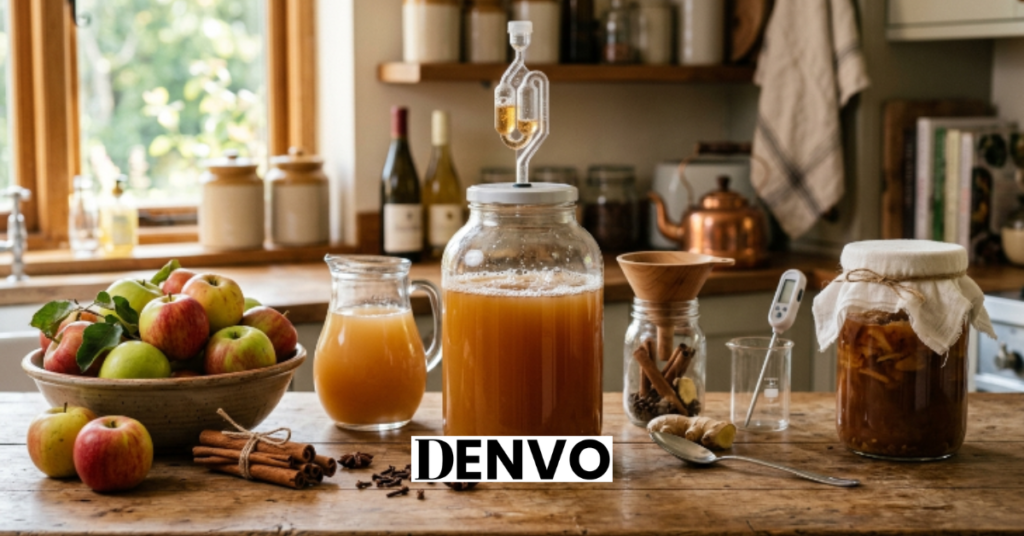
Making cider yourself isn’t complicated, but it does require patience. Skip the patience part and you’ll end up with something closer to vinegar than a drinkable beverage — trust me, I’ve been there.
The basic process:
- Start with fresh, unpasteurized apple juice (pasteurized works too, just yields a slightly different flavor)
- Add cider yeast — not bread yeast, that’s a common and costly mistake
- Let it ferment in a sealed container with an airlock for 2-4 weeks
- Rack it (transfer off the sediment) once, then bottle
- Let bottles condition for another 1-2 weeks before drinking
A one-gallon batch costs roughly $15-20 in ingredients and yields about ten 12-ounce servings. Compare that to buying a case at $22-30 and it’s clear why homebrewing has caught on.
Mixing Cider Cocktails That Don’t Taste Like a Sugar Bomb
Store-bought hard cider is great on its own, but mixing it into a cocktail opens up a whole different experience. The trick is balancing the natural sweetness of the apple with something dry or bitter so it doesn’t turn into dessert in a glass.
My go-to combination: two ounces of bourbon, four ounces of dry hard cider, a dash of Angostura bitters, and a cinnamon stick for garnish. It takes ninety seconds to make and tastes like it took an hour.
Another crowd-pleaser is cider with a splash of ginger beer and a squeeze of lime — light, refreshing, and works even in warmer months when you’d think apple flavors wouldn’t fit.
Practical Steps: Choosing the Right Apple Cider Alcohol Drink for Your Occasion
Picking the right style depends entirely on what you’re doing and who you’re serving. Here’s a simple framework I use before buying anything.
- Casual weeknight drink → grab a dry, low-ABV cider (4-5%) so one bottle doesn’t wreck your evening
- Dinner party with food → go dry or semi-dry, since sweet ciders clash with savory dishes
- Holiday gathering → spiced or amber ciders tend to please a crowd, even skeptics
- Cocktail hour → mix a dry cider with bourbon or rum rather than serving it straight
Match the drink to the moment, and you’ll avoid the classic mistake of serving a syrupy-sweet cider alongside a rich holiday meal. It happens more often than you’d expect, and it’s an easy fix once you know the rule.
FAQs
Is an apple cider alcohol drink the same as apple juice?
No. Regular apple juice contains no alcohol, while an apple cider alcohol drink has undergone fermentation, producing anywhere from 4% to 8% ABV in most commercial versions. Some spiced or barrel-aged varieties go higher.
How much alcohol is in hard cider compared to beer?
Hard cider typically sits between 4-8% ABV, similar to or slightly higher than most beers. Craft and specialty ciders occasionally reach 10-12%, closer to wine strength.
Can I make hard cider without special equipment?
You’ll need at minimum a fermentation vessel, an airlock, and cider yeast — bread yeast won’t produce proper results. A basic homebrew starter kit runs about $30-40 and covers everything needed for your first batch.
Does hard cider go bad if left unrefrigerated?
Unopened bottles can sit at room temperature for months without spoiling, though flavor holds up best refrigerated. Once opened, drink within a day or two for the best taste.
What food pairs best with an apple cider alcohol drink?
Dry ciders pair beautifully with pork, sharp cheddar, and roasted vegetables. Sweeter styles work better with desserts like apple pie or spiced cakes, since pairing sweet with sweet can feel overwhelming otherwise.
Conclusion
Apple cider alcohol drinks have come a long way from the overly sweet, one-note options that used to dominate grocery shelves. Whether you’re brewing your own batch in the garage or grabbing a dry cider for a dinner party, there’s a version out there that fits your taste and your table. The biggest lesson from my own trial and error? Don’t judge the whole category by one syrupy bottle — the range out there is wider than most people realize.
Have you tried making your own batch, or found a brand that changed your mind about cider? Drop a comment below and share what worked for you.