


My uncle didn’t talk about his depression for eleven years. He told me that number himself, sitting on my porch last summer, like he’d been counting the whole time.
Quick answer
Men’s Mental Health Awareness Month happens every year in June. It runs alongside Men’s Health Month and exists to spotlight the mental health struggles men face — often silently — including depression, anxiety, and the fact that men die by suicide at nearly four times the rate of women in the U.S.
I didn’t know June was the designated month until a few years ago, honestly. I stumbled onto it while researching something totally unrelated, and it stuck with me because it explained so much about my own family. If you’ve ever wondered why some workplaces suddenly post about “checking in on the guys” every June, or why your gym starts handing out mental health pamphlets that month, now you know. It’s not random. It’s intentional, and it’s overdue.
This isn’t one of those awareness months that just sits quietly on a calendar nobody checks. It’s got real weight behind it, and once you understand the “why,” the “when” starts to make a lot more sense too.
Men’s Mental Health Awareness Month Falls Every June
The month is officially recognized as June, running the entire 30 days alongside broader Men’s Health Month, which has been around since 1994 after Congress passed a resolution establishing it.
Men’s Mental Health Awareness Month grew out of that larger movement but zeroed in specifically on psychological wellbeing, not just physical checkups and cholesterol numbers. It’s become its own thing over the past decade or so, gaining traction through mental health nonprofits, therapy platforms, and social campaigns that wanted men’s emotional struggles to get equal billing with prostate exams and heart health.
You’ll also sometimes hear people mention Movember, which happens every November and focuses on men’s health broadly, including mental health and suicide prevention through that now-famous mustache-growing campaign. They’re related in spirit but not the same event — June is the dedicated mental health push, November leans more into fundraising and general awareness with a mustache gimmick that somehow actually works.
The Numbers Behind It Are Genuinely Alarming
Men account for nearly 4 out of every 5 suicides in the United States, according to the CDC. Read that again. Four out of five.
That statistic isn’t a footnote — it’s the entire reason this month exists. Men are diagnosed with depression less often than women, not because they experience it less, but because they’re less likely to seek help, less likely to talk about symptoms, and more likely to mask what they’re feeling with anger, overworking, or substance use instead of sadness.
I think about my uncle again here. He wasn’t sad, outwardly. He was irritable. Short-tempered with his kids. Drinking a little more each year. Nobody in the family clocked it as depression because it didn’t look like the version we’d all been taught to recognize — the crying, the withdrawal, the obvious stuff. His looked like snapping at his son over homework and disappearing into the garage for hours.
That’s the contrarian part people miss: depression in men often doesn’t look like depression at all. It looks like anger. It looks like exhaustion. It looks like someone who’s “just stressed” for way too many years in a row.
Why June Specifically Was Chosen
June ties directly into Father’s Day, which usually falls in the same month, and organizers leaned into that overlap on purpose. Father’s Day gives the month a natural emotional entry point — a moment when families are already thinking about the men in their lives, which makes it easier to slide mental health conversations into the mix.
It also sits at the midpoint of the calendar year, giving campaigns a built-in “check-in” moment. Six months into the year is a pretty natural time to ask, “How are you actually doing?” instead of waiting until December when everyone’s too busy to reflect on anything.
How Men’s Mental Health Awareness Month Actually Gets Marked
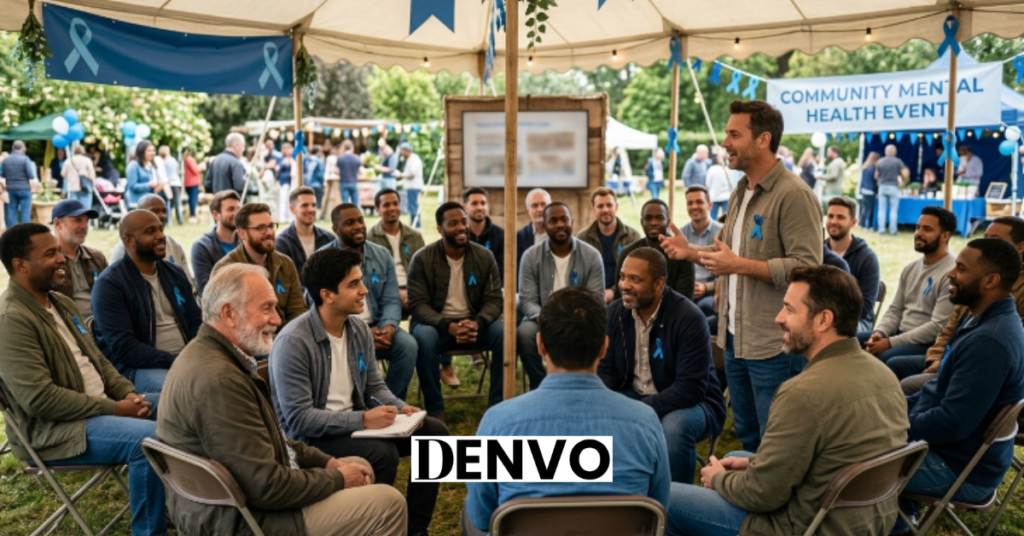
It’s not a federal holiday, so there’s no day off or fireworks. Recognition happens through smaller, more scattered efforts:
- Nonprofits like Movember and Mental Health America run social media campaigns with hashtags like #MensMentalHealthMonth
- Therapy and telehealth companies often offer discounted or free sessions during June
- Employers host workshops, send internal newsletters, or bring in speakers
- Local gyms, barbershops, and community centers sometimes partner with mental health orgs for free screenings
Barbershops, actually, have become a surprisingly big player in this space. There’s a whole movement of Black barbershops in particular training barbers to recognize signs of depression and have real conversations with clients — because guys will talk to their barber for forty-five minutes about anything except what’s actually bothering them, until suddenly they will.
What You Can Actually Do This June
Talking about awareness months is easy. Doing something with them is where most people check out. So here’s what actually moves the needle if you want to participate instead of just liking a post about it.
Start with one conversation, not a campaign. You don’t need to organize an event. Text a guy in your life — a brother, a coworker, a friend from college you haven’t talked to in months — and just ask how he’s really doing. Not the “hey man, how’s it going” that gets a reflexive “good, you?” Ask twice if you have to.
Learn what depression looks like in men specifically, since it rarely matches the textbook version. Irritability, risk-taking, overworking, and physical complaints like headaches or fatigue are often the actual presentation, not sadness.
If you’re the one struggling, June is as good a excuse as any to book that first therapy appointment you’ve been putting off. A lot of platforms run promotions specifically this month, so the financial barrier might be lower than you think.
Share a resource, even if it feels small. Posting the number for a crisis line or a therapy platform costs you nothing and might land at exactly the right moment for someone scrolling past.
FAQs
When is Men’s Mental Health Awareness Month?
Men’s Mental Health Awareness Month is observed every June in the United States, running the full month alongside the broader Men’s Health Month campaign that’s been recognized since 1994.
Is Men’s Mental Health Awareness Month the same as Movember?
No. Movember happens in November and focuses on men’s health more broadly, including prostate cancer, testicular cancer, and mental health through fundraising and awareness events. June’s observance is specifically centered on mental health.
Why do men die by suicide at higher rates than women?
It’s a combination of factors, including lower rates of help-seeking behavior, higher use of lethal means, and social conditioning that discourages men from expressing emotional pain. Men are diagnosed with depression less frequently despite similar or higher rates of underlying distress.
What are signs of depression in men that people often miss?
Irritability, anger, risk-taking behavior, overworking, and physical symptoms like headaches or digestive issues are common presentations that don’t match the stereotypical image of depression. These signs get dismissed as “just stress” far too often.
How can I support a man in my life during this month?
Start a direct, low-pressure conversation and actually listen without immediately trying to fix things. Sharing therapy resources, checking in more than once, and normalizing the topic in casual conversation all genuinely help.
Conclusion
June is the answer, but the “why” matters just as much as the “when.” This month exists because too many men have gone through exactly what my uncle went through — years of silence that nobody around them knew how to interrupt. The date on the calendar is really just an invitation to start paying closer attention, not just this June, but every month after it too.
Has a man in your life ever opened up to you in a way that surprised you? I’d genuinely love to hear about it in the comments — and if this piece hit home, share it with someone who might need the nudge.