
INTRODUCTION
Every December, the same question pops up in group chats, classrooms, and office break rooms: do Jewish people celebrate Christmas?
It’s a fair question. With twinkling lights on every street and “Merry Christmas” playing on repeat, it’s easy to assume the holiday is universal. But for most Jewish people, Christmas isn’t part of their religious calendar at all.
That said, the real answer is more nuanced than a simple yes or no. Some Jewish families do join in certain parts of the holiday, especially in interfaith households. Others have their own beloved December traditions instead.
In this guide, you’ll learn exactly what’s true, what’s a myth, and what Jewish people actually do during the holiday season.
Do Jewish People Celebrate Christmas? The Short Answer
If you only have ten seconds, here’s the simple version: most Jewish people do not celebrate Christmas, because it’s a Christian holiday marking the birth of Jesus, who isn’t recognized as the messiah in Judaism.
For practicing Jewish families, December 25th is usually just a regular day — no tree, no stockings, no midnight Mass. Many continue going to work, school, or running errands, since it isn’t a Jewish holiday on the Hebrew calendar.
However, “do Jewish people celebrate Christmas” doesn’t have one single answer for every Jewish person, because Judaism isn’t one-size-fits-all. There’s a wide range of observance levels, from highly religious to fully secular, and that range shapes how each family approaches December.
Here’s a quick breakdown of common approaches:
- Religiously observant Jewish families: Treat December 25th as an ordinary day, with no Christmas activities at all.
- Secular or culturally Jewish individuals: May enjoy general “winter” elements like lights or movies, without religious meaning attached.
- Interfaith families (Jewish + Christian): Often celebrate both Hanukkah and Christmas in some form.
- Jewish people in majority-Christian countries: May still take part in secular traditions (gift-giving, Christmas movies) simply because it’s the dominant culture around them.
So while the broad cultural answer is “no,” the honest, real-world answer is “it depends on the family.” Keep this in mind as we dig deeper into the why behind these choices.
Why Most Jewish People Don’t Celebrate Christmas
To really understand this topic, it helps to know why Christmas isn’t part of Jewish religious life in the first place.
Christmas is fundamentally a Christian holiday. It commemorates the birth of Jesus Christ, who Christians believe is the son of God and the messiah. Judaism does not share this belief — Jewish theology doesn’t recognize Jesus as the messiah, so the holiday’s core religious meaning simply doesn’t apply.
This isn’t about disliking the holiday; it’s about religious identity and boundaries. Many Jewish families see avoiding Christmas customs (like trees or nativity scenes) as a way of preserving their own distinct traditions, especially in countries where Christian culture dominates the calendar.
There’s also a historical layer here. Jewish communities have spent centuries as religious minorities, often pressured — sometimes violently — to assimilate into majority Christian culture. For many families, keeping Christmas out of the home is a quiet act of cultural and religious continuity, passed down through generations.
A few other reasons Jewish people commonly skip Christmas:
- Theological difference: The holiday celebrates a belief Judaism doesn’t hold.
- Cultural preservation: Maintaining unique Jewish customs rather than blending into the majority culture.
- It’s simply not their holiday calendar: Judaism follows the Hebrew calendar, where Hanukkah — not Christmas — falls in winter.
- Family and community expectations: In tight-knit Jewish communities, observing Christmas customs can feel out of step with shared identity.
None of this means Jewish people are against other people’s celebrations. It’s simply that Christmas isn’t built into their own religious or cultural framework.
How Some Jewish Families Navigate the Holiday Season
Here’s where things get interesting — because “Jewish” isn’t one monolithic group, December can look very different from household to household.
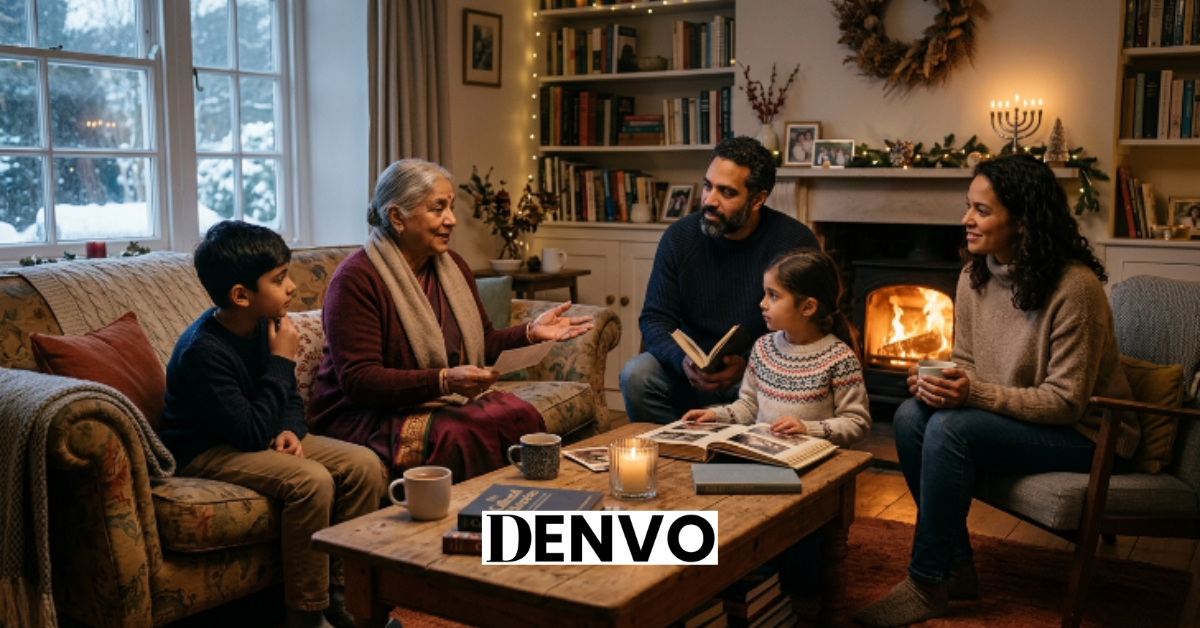
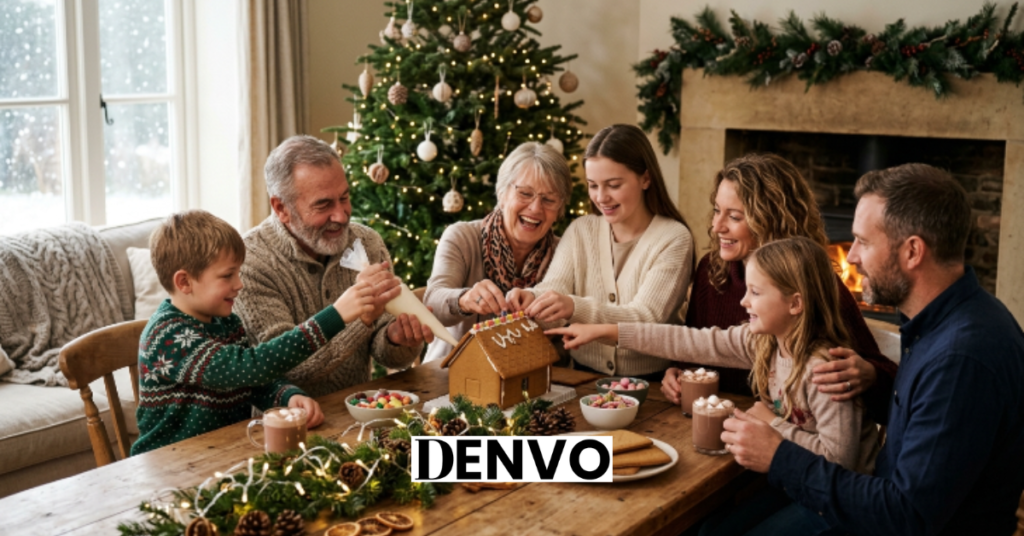
Interfaith families are a great example. When one parent is Jewish and the other is Christian, many households choose to honor both sides of the family. This often means a Hanukkah menorah on one side of the room and a Christmas tree on the other — a blend sometimes nicknamed “Chrismukkah,” a term that gained popularity through pop culture in the early 2000s.
Secular or non-practicing Jewish people may also take part in the non-religious side of the season — think holiday lights, festive movies, or work parties — without it carrying any religious weight for them. For these individuals, it’s more “winter season” than “Christmas” in a spiritual sense.
There’s also a well-known American Jewish tradition that isn’t about Christmas at all: eating Chinese food and watching movies on December 25th. This custom grew naturally because Chinese restaurants and movie theaters were historically among the few businesses open on Christmas Day, giving Jewish communities (and others who don’t celebrate the holiday) a low-key, communal way to spend the day together.
A few common patterns you’ll see in real life:
- Mixed-faith households: Decorate for both holidays, often letting kids participate in each.
- Single-faith Jewish households: Treat December 25th like any other day, sometimes hosting a low-key Hanukkah gathering instead.
- Jewish friend groups: Organize “Chinese food and a movie” outings as their own December 25th ritual.
- Workplace participation: Many Jewish employees join secular office parties without it reflecting personal religious practice.
The takeaway? There’s no single Jewish experience of December — it’s shaped by family makeup, level of religious observance, and personal choice.
Hanukkah vs. Christmas: Key Differences Explained
A lot of confusion around “do Jewish people celebrate Christmas” comes from people mixing up Hanukkah with a “Jewish Christmas.” They’re actually quite different holidays.
Here’s a simple side-by-side comparison:
| Feature | Hanukkah | Christmas |
|---|---|---|
| Religion | Judaism | Christianity |
| What it celebrates | The rededication of the Second Temple and the “miracle of the oil” | The birth of Jesus Christ |
| Calendar | Hebrew calendar (date shifts each year) | Fixed date: December 25th |
| Length | 8 nights | 1 day (with an extended season) |
| Key symbols | Menorah, dreidel, gelt (chocolate coins) | Christmas tree, nativity scene, Santa Claus |
| Religious importance in its faith | Considered a relatively minor holiday | One of the most important holidays in Christianity |
The biggest myth to clear up: Hanukkah is not the “Jewish version” of Christmas. It simply happens to fall in the same general season because of how the Hebrew calendar lines up most years. In terms of religious significance, Hanukkah is actually fairly minor compared to holidays like Yom Kippur or Passover — it just gets more attention in countries where Christmas dominates the season.
Understanding this difference helps explain why most Jewish people aren’t “missing out” by not celebrating Christmas. They have their own meaningful holiday already, just with a different story, different symbols, and different timing.
Common Misconceptions About Jewish People and Christmas
Let’s clear up a few myths that keep this topic confusing.
Myth 1: “All Jewish people refuse to acknowledge Christmas.” Not true. Plenty of secular or culturally Jewish people enjoy the season’s general atmosphere — lights, music, time off work — without treating it as religious.
Myth 2: “Jewish people celebrate Hanukkah instead of Christmas.” Not quite. Hanukkah isn’t a substitute for Christmas; it’s a completely separate holiday with its own meaning that simply happens to fall in winter.
Myth 3: “Jewish people are offended by Christmas decorations or greetings.” Generally false. Most Jewish people are perfectly comfortable with others celebrating their own holiday — it’s just not personally part of their religious practice.
Myth 4: “Interfaith families are ‘doing it wrong’ by celebrating both.” Also false. Blending traditions is simply a personal family choice, and many interfaith households find it meaningful to honor both heritages.
Myth 5: “If you’re Jewish and enjoy Christmas movies or lights, you’re not ‘really’ Jewish.” This one is especially unfair. Jewish identity isn’t measured by how strictly someone avoids another religion’s holiday. Cultural participation in the secular side of the season doesn’t erase someone’s Jewish identity.
The bottom line: assumptions about Jewish people and Christmas often come from outside the community, not from how Jewish people actually feel about the holiday.
CONCLUSION
So, do Jewish people celebrate Christmas? For most, the answer is no — Christmas is a Christian holiday tied to beliefs Judaism doesn’t hold, and December 25th is typically just a regular day. But Jewish life isn’t one-size-fits-all. Interfaith families often blend Hanukkah and Christmas, secular Jewish people may enjoy the non-religious parts of the season, and plenty of Jewish communities have their own beloved December traditions — Chinese food and a movie included.
Understanding these nuances helps everyone navigate the holiday season with more respect and curiosity, instead of assumptions. If you found this guide helpful, consider exploring Hanukkah traditions next — it’s a meaningful holiday in its own right, not a “Jewish Christmas.”
FAQs
Do Jewish people celebrate Christmas at all?
Most Jewish people do not celebrate Christmas religiously, since it commemorates the birth of Jesus, who isn’t recognized as the messiah in Judaism. However, some secular or culturally Jewish individuals may take part in the non-religious aspects of the season, like lights or movies, without attaching religious meaning to it. The honest answer is that it varies by family, level of religious observance, and whether the household is interfaith. There’s no single rule that applies to every Jewish person, so it’s best to ask individuals about their own family’s traditions rather than assuming.
What do Jewish people do on Christmas Day instead?
Many Jewish families simply treat December 25th as a normal day — going to work, running errands, or relaxing at home. A popular American Jewish tradition involves eating Chinese food and watching movies, since those businesses traditionally stayed open while most others closed for the holiday. Some families also use the day to gather with friends or host a casual get-together. It’s less about replacing Christmas and more about having their own low-key, communal routine for the day.
Is Hanukkah the Jewish version of Christmas?
No, this is a common misconception. Hanukkah celebrates the rededication of the Second Temple and the “miracle of the oil,” a completely different story from the birth of Jesus celebrated at Christmas. It simply falls around the same season most years because of how the Hebrew calendar aligns. In terms of religious importance within Judaism, Hanukkah is actually considered a relatively minor holiday compared to days like Yom Kippur or Passover.
Do interfaith Jewish-Christian families celebrate both holidays?
Yes, many do. In households where one parent is Jewish and the other is Christian, it’s common to celebrate both Hanukkah and Christmas, sometimes nicknamed “Chrismukkah.” This might include a menorah and a Christmas tree in the same home, or letting children take part in traditions from both sides of the family. There’s no single “correct” approach — it usually comes down to what feels meaningful for that specific family.
Why do many Jewish people eat Chinese food on Christmas?
This tradition started because Chinese restaurants were historically among the few businesses open on Christmas Day, alongside movie theaters. For Jewish communities who weren’t celebrating the holiday, this created a natural, shared way to spend the day together without needing other businesses to be open. Over time, it became a cherished, almost humorous cultural tradition in many American Jewish communities, especially in cities with large Jewish populations.
Do secular or non-religious Jewish people celebrate Christmas?
Some do, in a non-religious way. Secular or culturally Jewish individuals might enjoy general winter-season activities — holiday lights, festive movies, office parties — without it carrying any religious significance for them. This is different from religiously observant Jewish people, who are far less likely to take part in Christmas customs at all. Ultimately, it comes down to personal choice and how connected someone feels to Jewish religious practice versus cultural identity.