

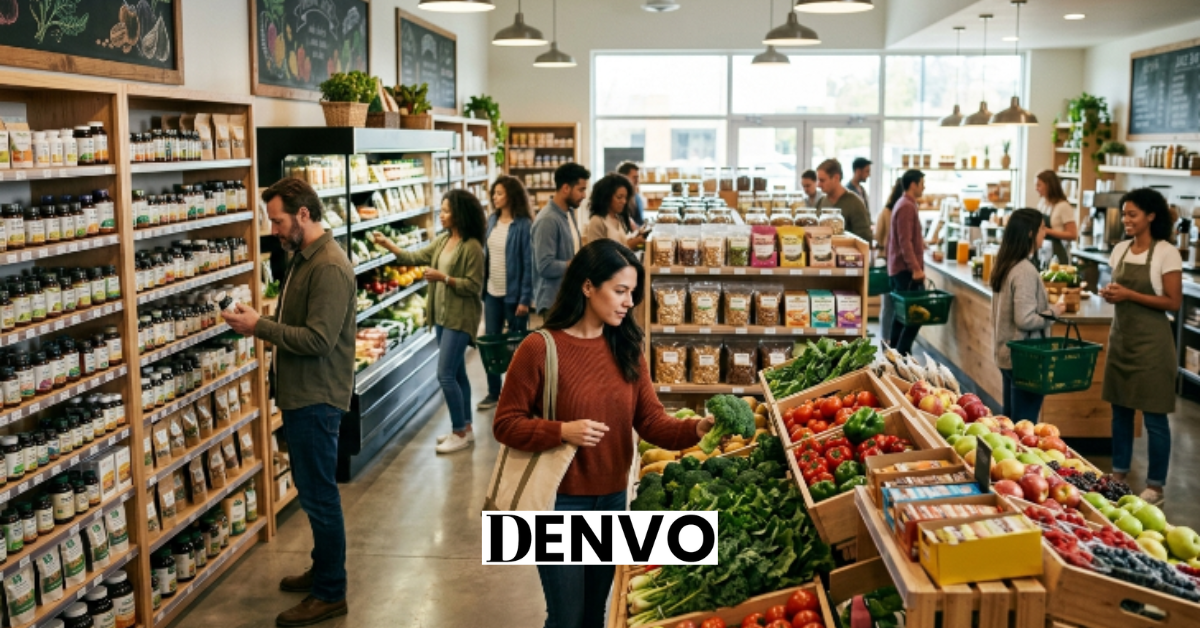
I once drove 25 minutes to a “health food store” that turned out to be a gas station with a shelf of protein bars. Not exactly the wellness pilgrimage I had in mind.
Quick answer
To find real health food stores near me, skip the first Google Maps result and check reviews mentioning bulk bins, local produce, or a knowledgeable staff. The best ones usually aren’t chains — they’re small, independently run shops with rotating inventory, refrigerated fresh sections, and staff who’ll actually answer questions instead of pointing at a shelf.
Here’s the thing nobody tells you: typing “health food stores near me” into your phone gives you a mixed bag. You’ll get legit community co-ops sitting right next to supplement shops that mostly sell overpriced protein powder with a green logo slapped on it. I’ve wasted money learning that difference, so let’s talk about how you can skip the trial and error part.
The keyword search itself is kind of broken
Here’s a fact that surprised me the first time I noticed it: Google’s local results for “health food stores near me” often rank places based on how often they update their business listing, not on the quality of what’s actually inside. I’ve seen a store with three years of stale photos outrank a genuinely excellent shop two blocks away just because the second one never touched their Google Business profile. That means your search results are a starting point, not a verdict. Cross-check with actual customer reviews — specifically ones from the last 3 to 6 months — before you commit to driving anywhere.
What separates a real health food store from a supplement shop with good marketing
A real health food store carries whole, unprocessed food as its backbone, not as an afterthought next to the vitamin aisle. Look for these signs before you walk in or right when you do:
- Bulk bins for grains, nuts, and legumes (usually a strong indicator of an actual health-focused inventory)
- A refrigerated section with local dairy, kombucha, or fresh-made items — not just packaged snacks
- Staff who can tell you where the produce came from, not just recite a supplement’s marketing copy
- A rotating or seasonal selection, meaning they’re not just running the same static shelf for years
- Prices that make sense for the region, not blanket markup because “health” is in the name
I learned the hard way that a shiny storefront doesn’t guarantee any of this. My neighborhood used to have a place with gorgeous signage and a $14 smoothie menu, but the produce in the back was wilted and clearly sitting for over a week. Looks aren’t the tell. What’s on the shelves is.
Chain stores versus independent shops: the tradeoff nobody explains clearly
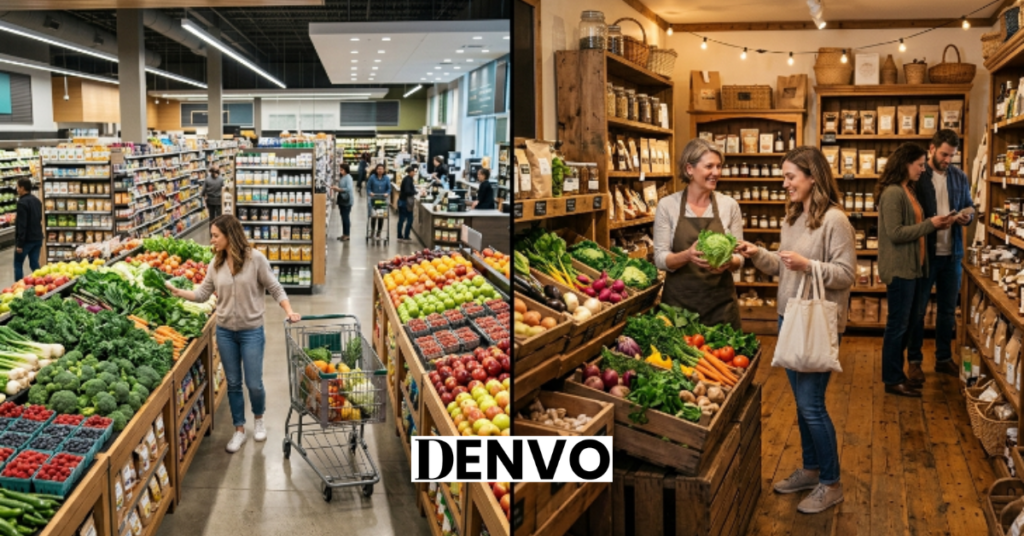
Chains like Whole Foods or Sprouts give you consistency — same layout, same brands, predictable pricing. That’s genuinely valuable if you’re stocking up weekly and don’t want surprises. But independents often beat them on two things: price per pound on bulk goods, and the ability to special-order something niche, like a specific ancient grain flour or a regional honey.
I now split my shopping. Staples like oats, almond milk, and frozen produce come from the chain 10 minutes from my apartment. Anything specialty — raw cacao, a particular adaptogenic tea, fresh-milled flour — I get from a tiny independent shop that’s been open for 19 years and knows me by name. Neither store wins outright. It depends what’s in your cart that week.
The three-question test before you drive anywhere
Before wasting a trip, ask yourself three quick things. Does the store have recent reviews (within 6 months) mentioning fresh produce or bulk goods? Is it locally owned, based on a quick search of the business name plus “owner” or “founded”? Does the listed inventory match what you actually need this week, rather than a vague “health” label?
If you answer no to two or more of those, it’s probably not worth the trip. I skip about 1 in 3 stores that show up in my searches purely because the reviews read like they were written by the owner’s cousin — overly generic, five stars, no specifics.
Practical steps to actually find a good one this week
Here’s what I’d do if I moved to a new city tomorrow and needed to rebuild my grocery routine from scratch:
- Search “health food stores near me” and pull the top 8 results, ignoring anything that’s clearly a supplement-only chain.
- Filter by reviews from the last 90 days and read at least 5 per store, skimming for mentions of produce, bulk bins, or staff knowledge.
- Call ahead (yes, actually call) and ask if they carry something specific you need, like gluten-free oats or a particular probiotic brand. Their answer tells you more than their website ever will.
- Visit during a weekday morning if possible — that’s usually when restocking happens, so you’ll see the freshest inventory.
- Buy something small on your first visit rather than stocking up. Test the quality before committing your whole grocery budget.
That fourth step alone changed my shopping habits. I used to go on Saturday afternoons, which is exactly when shelves are picked over from the weekend rush.
The surprising insight: bigger isn’t better here
Most people assume the largest health food store in town is automatically the best one. It’s usually the opposite. Larger stores need higher turnover to justify their footprint, which means they lean into shelf-stable packaged goods — bars, powders, boxed snacks — because those sit longer without spoiling. Smaller shops, ironically, often have fresher produce and dairy precisely because they can’t afford to let inventory sit. Their whole business model depends on turnover of perishables, not shelf-stable margin.
I noticed this firsthand comparing a 12,000-square-foot regional chain to a 900-square-foot shop three blocks from my old apartment. The smaller store’s spinach was harvested two days prior. The big chain’s bagged greens had a sell-by date nine days out. Size doesn’t equal freshness. Sometimes it’s the opposite.
FAQs
Are health food stores actually cheaper than regular grocery stores?
Not usually, and I won’t pretend otherwise. You’ll often pay 15-30% more for organic or specialty items compared to a standard supermarket. Where they win is on bulk bin pricing and rare items you can’t find elsewhere at any price.
How do I know if a “health food store near me” is legitimate or just a supplement shop?
Check whether whole foods — produce, grains, dairy — make up the majority of the floor space, not just an aisle. If more than half the store is bottles and powders, it’s a supplement retailer wearing a health food label.
Do I need a membership to shop at co-ops?
Some do require it, but most co-ops let non-members shop at a slightly higher price point without joining. Membership usually only pays off if you’re spending $75 or more per visit regularly.
What’s the best day of the week to shop for freshest produce?
Tuesday or Wednesday mornings tend to be best, since most stores restock after weekend sales clear out and before the next delivery cycle. Weekends are typically when produce sections look their most picked-over.
Can I trust online reviews for finding health food stores?
Mostly yes, but weight reviews from the last 3-6 months higher than older ones, since inventory and ownership can change fast. A store with great 2023 reviews and silence since then is a yellow flag, not a green one.
Conclusion
Finding a health food store worth your time isn’t about trusting the first map pin that pops up. It’s about checking recent reviews, testing with a small purchase, and paying attention to what’s actually on the shelves versus what the sign promises. The best shop in your area might be the smallest one you’ve been driving past for years.
So — have you found a hidden gem near you, or are you still stuck with the gas-station-protein-bar situation like I was? Drop it in the comments. I’m always hunting for a new bulk bin to raid.