
Choosing a stroller feels simple until you actually start comparing models. One brand promises an all-terrain ride, another promises a one-handed fold that fits in an overhead bin, and a third promises both — for three times the price. Meanwhile, you just need something safe, comfortable for your baby, and practical for the life you actually live.
This guide breaks down the best baby strollers of 2025 by category — full-size, lightweight/travel, jogging, double, and travel system — based on how professional testers at outlets like Consumer Reports, BabyGearLab, and Wirecutter have evaluated them, combined with the safety standards every stroller sold in the U.S. is required to meet. Instead of a single “best of all” pick, you’ll get a framework for matching a stroller to your terrain, storage space, and budget, plus the specific things worth checking before you buy — new or secondhand.
A quick note on timing: stroller lineups get refreshed almost every year, and some of the models mentioned here have already seen 2026 successors. Where that’s the case, it’s noted, because a two-year-old “best of” list is one of the most common ways parents end up chasing a discontinued color option.
Quick Answer: Top Picks by Category
If you only have two minutes, here’s the short version. Each of these categories is expanded below with the reasoning behind it.
| Category | Standout Model | Why It Stands Out |
|---|---|---|
| Best Overall | Bugaboo Fox 5 | Smooth ride on mixed terrain, one-handed fold, premium build |
| Premium Alternative | Thule Shine / UPPAbaby Cruz v3 | Comparable quality, large storage basket, strong reversible seat |
| Best Budget | Graco / Kolcraft lightweight models | Reliable core safety features at a fraction of the price |
| Best Lightweight/Travel | Joolz Aer 2, Cybex Libelle | Compact fold, airline-cabin friendly, low weight |
| Best Jogging | BOB Revolution Flex 3.0 | Adjustable suspension, fits kids up to 75 lbs, built for real mileage |
| Best Double | Varies by need (side-by-side vs. tandem) | See the dedicated section for how to pick between layouts |
| Best Travel System | Nuna Trvl LX-based systems | Coordinated car seat and stroller with tested compatibility |
No single stroller is “best” in a vacuum. The right one depends on your city versus suburb versus trail usage, your car trunk size, and whether you’re buying for one child or two.
How These Recommendations Were Put Together
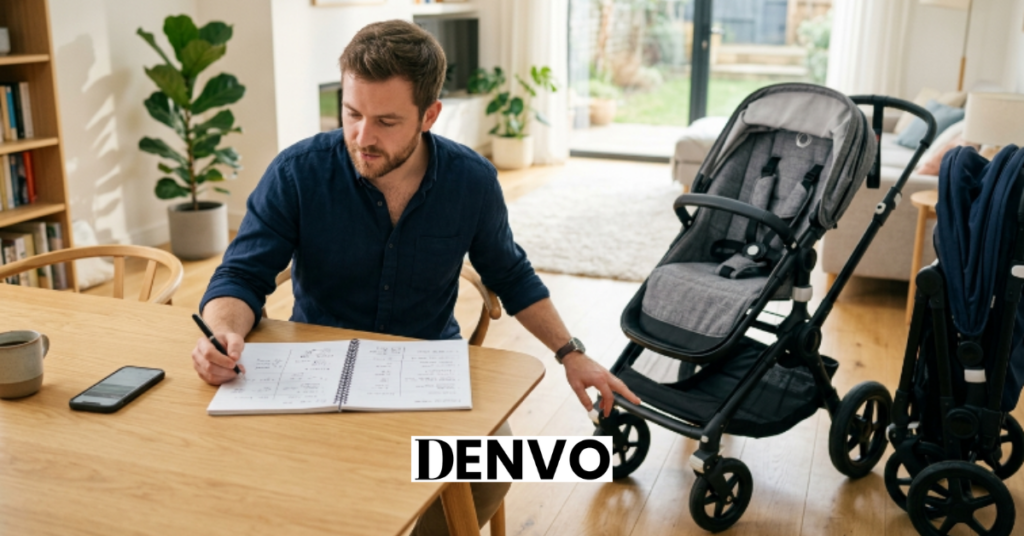
To be transparent: the picks in this guide reflect a synthesis of independent testing published by established consumer-testing organizations — primarily Consumer Reports, BabyGearLab, and Wirecutter — along with the manufacturer specifications those outlets verified. These groups physically test strollers for ride quality, fold mechanics, stability, harness function, and durability, often across dozens of models per category.
This guide does not fabricate ratings, invent test scores, or attribute quotes to testers. Where a claim is specific (a weight, a maximum load capacity, a fold dimension), it comes from published testing or manufacturer specifications. Where something is more subjective — “smooth ride,” “premium feel” — that reflects a consensus across multiple independent reviewers rather than a single opinion. If you want the full underlying data, the “External Authority Suggestions” section at the end links to where to find it.
Types of Strollers, Explained
Before comparing specific models, it helps to know what you’re actually shopping for. Most strollers fall into one of five categories, and many families end up needing more than one over the first three years.
Full-size strollers are the all-purpose option — sturdy frames, large storage baskets, adjustable reclining seats, and often the ability to convert into a bassinet mode for newborns. They handle sidewalks, parks, and light trails well but are bulkier to store and lift into a trunk.
Travel systems pair a full-size or mid-size stroller frame with a compatible infant car seat, so you can move a sleeping baby from car to stroller without waking them. These are popular first purchases because they solve the newborn stage and the toddler stage with one coordinated set.
Lightweight and travel strollers prioritize low weight (often under 17 pounds) and a compact, sometimes one-handed fold. They trade off some storage space and terrain capability for portability — ideal for air travel, public transit, or families without a lot of trunk space.
Jogging strollers have a fixed or lockable front wheel, larger air-filled tires, and a suspension system built for running on pavement or trails. They are not designed for infants who can’t yet support their own head and neck, and most manufacturers set a minimum age for jogging use specifically (more on that below).
Double strollers come in two layouts: side-by-side (both children visible and level, but wider — harder to fit through doorways) and tandem/in-line (narrower, but one child sits behind or above the other). The right layout depends on your doorways, sidewalks, and whether your children are close in age or several years apart.
Best Overall Full-Size Stroller: Bugaboo Fox 5
Across multiple independent testers — including BabyGearLab, Forbes, and Wirecutter — the Bugaboo Fox 5 has repeatedly come out as a top overall pick. Testers consistently point to how smoothly the wheels, recline adjustments, and turning radius work together, along with genuinely useful engineering touches rather than surface-level styling.
Published specifications back this up: the Fox 5 weighs between roughly 22.9 and 26.9 pounds depending on configuration, folds down to about 35 x 20.9 x 13.4 inches, and supports children up to 50 pounds in the toddler seat. It also offers a one-handed fold, which matters more than it sounds like the first time you’re holding a baby, a diaper bag, and trying to close a stroller with your free hand and a knee.
The trade-off is price — this sits firmly in the premium tier — and testers note it doesn’t stand upright particularly well on its own when folded, which is a minor but real annoyance in tight hallways or elevators.
Best for: Parents who want one stroller to handle nearly everything — from newborn bassinet mode through toddler years — and are willing to pay for build quality and ride comfort.
Best Premium Alternative: Thule Shine and UPPAbaby Cruz v3
If the Fox 5’s price or waitlist is a dealbreaker, two strollers routinely mentioned by the same testing outlets as comparably strong are the Thule Shine and the UPPAbaby Cruz v3.
The Thule Shine has been praised by BabyGearLab, WhatToExpect, and Wirecutter for offering UPPAbaby Cruz-level quality at a somewhat lower price point, while keeping Thule’s reputation for durable, well-engineered outdoor gear. Testers highlight its reversible toddler seat, adjustable handlebar, locking front wheels, near-lay-flat recline, four-wheel suspension, large storage basket, and an unusually generous canopy.
The UPPAbaby Cruz v3, meanwhile, is frequently described by testers as durable, easy to maneuver, and finished with the kind of small design details — magnetic buckles, intuitive recline levers — that only become obvious after weeks of daily use.
Best for: Families who want near-flagship quality without the absolute top-tier price tag, and who value a large storage basket and full-size canopy over ultra-lightweight portability.
Best Budget-Friendly Stroller
Not every family needs — or should spend on — a premium stroller, and there’s no requirement that a $150 stroller is less safe than an $800 one. Every stroller legally sold in the U.S. must meet the same mandatory federal safety standard (ASTM F833, discussed in detail below), regardless of price.
Budget-friendly, well-reviewed lightweight options that regularly come up in parent recommendations and comparison threads include Graco’s lightweight and travel-system lines and the Kolcraft Cloud Plus. These typically run in the $80–$200 range, don’t include the premium materials, all-terrain wheels, or near-flat recline of pricier models, and may have smaller storage baskets. What they do offer is a compliant harness system, decent maneuverability on flat, paved surfaces, and a low barrier to entry — genuinely useful for a first stroller, a backup for grandparents’ house, or families expecting to outgrow the newborn stage before investing in something larger.
Best for: Budget-conscious families, backup strollers, or parents who primarily use flat sidewalks and don’t need off-road capability.
Best Lightweight and Travel Stroller
This is the category with the clearest consensus among specialized testers, because “lightweight” is a measurable, testable claim rather than a subjective one.
Joolz Aer 2 has been named a top pick by Fathercraft’s dedicated travel-stroller testing, which evaluated ten travel strollers across fold mechanics, portability, ride quality, weight, parent ergonomics, storage, durability, and cost over several months of real-world use, including airport trips. The Aer 2 (successor to the Aer+, itself a former top pick) added a taller frame, larger wheels, a bigger basket, an adjustable footrest, and an improved harness over its predecessor.
UPPAbaby Minu V3, Baby Jogger City Tour 2, and Ergobaby Metro 3 were highlighted by Consumer Reports among its top lightweight picks, all weighing 17 pounds or less — a meaningful threshold because it typically correlates with a stroller that’s genuinely easy to lift into a trunk or overhead compartment, not just “lighter than a full-size model.”
Cybex Libelle stands out for sheer portability: it weighs about 5.9 kg (roughly 13 pounds), folds into a compact carry-on-style bag, and includes front-wheel suspension and a UPF 50+ sunshade despite the small footprint.
If air travel or navigating stairs and narrow doorways is a regular part of your life, this category — not the full-size premium models — is where to focus your budget.
Best for: Frequent flyers, city dwellers without elevator access, and parents who want a simple, grab-and-go second stroller.
Best Jogging Stroller
BOB Revolution Flex 3.0 is the most consistently recommended jogging stroller across testing sources, praised for its adjustable suspension and a seat capacity up to 75 pounds — meaningfully higher than most standard strollers, which extends its usable life well into the school-age years for casual use (not necessarily running).
Thule Glide 2 is Thule’s dedicated jogging model, distinguished from Thule’s other “urban” strollers by its fixed front wheel — a jogging-stroller hallmark that keeps the stroller tracking straight at running speed rather than swiveling like an all-terrain front wheel would. Testers measured it at 24.4 pounds, notably light for the category, and highlighted its adjustable tracking and handbrake.
Jogging strollers are a genuinely different product category from all-terrain strollers, even though the two get confused. All-terrain strollers have a swiveling front wheel for tight turns around a store or park; jogging strollers lock that wheel for stability at running speed but sacrifice easy maneuverability at walking pace.
Best for: Runners who want a dedicated stroller for actual jogging, not just occasional trail walks (an all-terrain full-size stroller usually handles the latter fine).
Best Double Stroller
Double strollers don’t have a single “best” the way lightweight strollers do, because the right layout depends entirely on your children’s ages and your environment.
Side-by-side doubles keep both children at the same eye level and are generally easier to load and unload since you can access both seats equally. The trade-off is width — many side-by-side models don’t fit through standard single doorways or narrow store aisles, and they can be harder to maneuver on crowded sidewalks.
Tandem (in-line) doubles are narrower and fit through standard doorways, making them the more practical choice for city living or frequent indoor use. The compromise is that the rear or upper child usually has a less scenic view, and loading two children can require more coordination since the seats aren’t side-by-side.
A third option worth knowing about is a stroller with a compatible standing or sitting board attachment, which lets an older toddler ride alongside a younger sibling in a single seat without the cost or bulk of a true double stroller — useful when the age gap is large enough that full-time double seating isn’t needed.
Best for: Families with two children close in age (side-by-side) or a wider age gap where one child rides occasionally (tandem or board attachment).
Best Travel System (Stroller + Car Seat)
A travel system pairs a stroller frame with an infant car seat designed to click directly onto it, letting you move a sleeping newborn from car to stroller without a transfer. Nuna Trvl LX-based systems have appeared among Consumer Reports’ top picks for baby gear, generally paired with compatible Nuna infant car seats tested for both crash performance and stroller compatibility.
The most important thing to verify with any travel system — regardless of brand — is that the specific car seat and stroller frame are certified compatible by the manufacturer, not just that they “look like they’d fit.” Car seat adapters that aren’t purpose-built for a specific stroller-and-seat pairing are a common source of instability, and most manufacturers publish an official compatibility list.
Best for: New parents who want a single, coordinated purchase that covers the newborn stage through toddlerhood without buying a separate bassinet stroller.
How to Choose the Right Stroller for Your Family
Rather than starting with brand names, it’s more useful to start with these questions:
Where will you actually push it most often? Smooth city sidewalks call for different wheels than gravel trails or grassy parks. All-terrain and jogging strollers use larger, air- or foam-filled tires; lightweight strollers typically use smaller, harder plastic wheels that struggle on uneven ground.
How much trunk or storage space do you have? A stroller that’s perfect on paper but too bulky to fit in your car alongside groceries becomes a stroller that stays home. Check folded dimensions, not just weight.
Do you need car seat compatibility? If you’re buying for a newborn and plan to transfer a sleeping baby from car to stroller, prioritize either a true travel system or a stroller with a verified, manufacturer-approved car seat adapter.
How many children, and what age gap? This determines whether you need a single stroller, a double, or a single stroller with a board attachment for an older sibling.
What’s your realistic budget, including accessories? Rain covers, cup holders, extra bassinets, and car seat adapters can add $50–$200 on top of the stroller itself. Factor that in before comparing sticker prices.
Do you need a one-handed fold? This sounds like a minor convenience feature until you’re holding a baby, keys, and a coffee at the same time. If you’ll frequently be folding the stroller alone, test this in-store if you can.
Stroller Safety Standards You Should Actually Know
Every stroller legally sold in the United States must comply with a mandatory federal standard: 16 CFR Part 1227, which incorporates by reference the voluntary industry standard ASTM F833, developed by ASTM International. This isn’t marketing language — it’s a legal requirement enforced by the U.S. Consumer Product Safety Commission (CPSC).
ASTM F833 sets specific, testable requirements covering:
- Stability and static load, to reduce tip-over risk and frame failure
- Parking brakes, including how much holding force they must provide and where they’re positioned so a child can’t easily release them
- Restraint systems, including five-point harness requirements
- Latches and folding mechanisms, tested so the stroller doesn’t collapse under normal use and hinges minimize finger-pinch risk
The CPSC adopted the current version of this standard, ASTM F833-21, through a direct final rule effective February 15, 2022, and the standard has been updated periodically as new hazard data comes in. Historically, CPSC data on stroller-related incidents identified hazards including hinge-related finger injuries, wheel detachment, parking brake failures, and — most seriously — entrapment and asphyxiation risks in convertible carriage/stroller products, which is part of why labeling and structural requirements exist in the first place.
Beyond the mandatory federal standard, look for JPMA (Juvenile Products Manufacturers Association) certification, a voluntary but well-regarded third-party testing program, as an additional signal of quality control. If you’re buying a stroller manufactured for a market outside the U.S., note that European models are typically certified to EN 1888 instead, which has some different requirements than ASTM F833 — a stroller certified only to EN 1888 isn’t automatically compliant for U.S. sale.
Practically, this means: check that the stroller has a permanent label with the manufacturer’s contact information, model name or number, and manufacture date (required under 16 CFR 1130.4). That label is what lets you check for recalls later — something worth doing periodically at cpsc.gov/recalls, especially for secondhand strollers.
Age and Weight Guidelines
Under the ASTM/CPSC definitions, a stroller is generally intended for children from infancy up to 36 months of age, though many full-size models extend their weight capacity well beyond that (some up to 50–75 pounds, as noted with the Bugaboo Fox 5 and BOB Revolution Flex 3.0 above) to accommodate bigger or older toddlers.
For newborns, look specifically for a stroller with a bassinet attachment, a near-flat or fully flat recline, or car seat compatibility — newborns generally shouldn’t sit upright in a standard stroller seat until they have reliable head and neck control, which most pediatric guidance places around 4 to 6 months, though this varies by child. If you’re unsure whether your baby is ready for upright seating, that’s a question for your pediatrician rather than a stroller manual.
For jogging strollers specifically, most manufacturers set a higher minimum age for actual running use — commonly around 8 to 12 months — separate from the general minimum age for sitting in the stroller. Always check the specific manufacturer’s guidance rather than assuming all jogging strollers share the same age minimum.
Common Stroller-Buying Mistakes
Buying for the stroller you want instead of the life you have. An all-terrain premium stroller is wasted if you live in a walk-up apartment and mostly navigate crowded sidewalks — a lightweight model would serve you better and cost less.
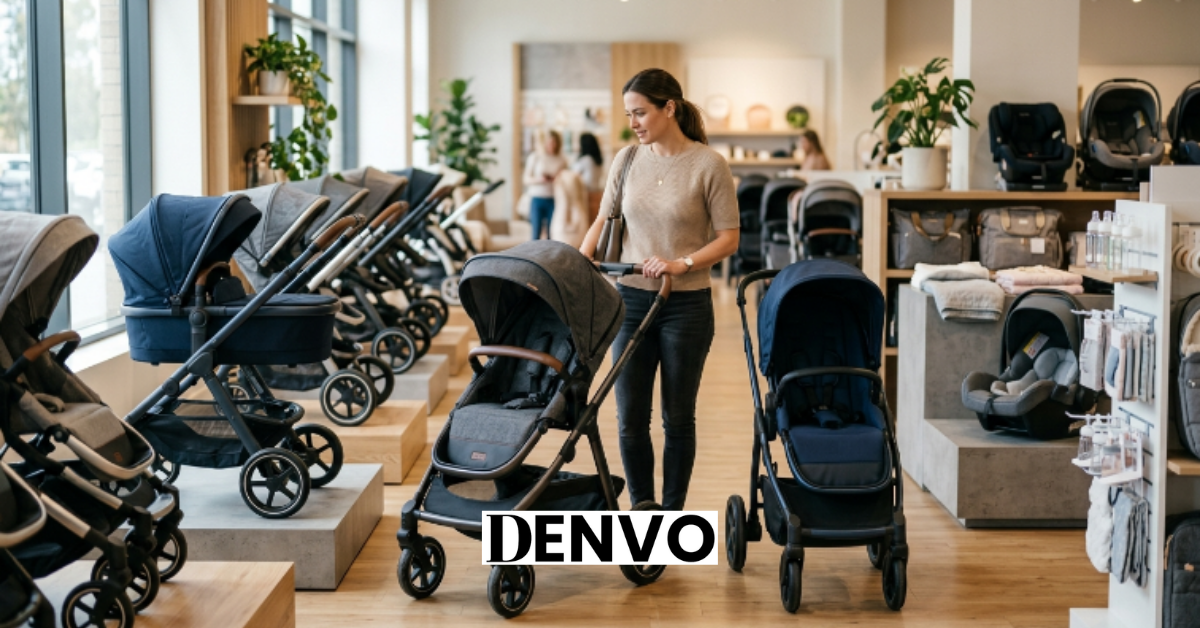
Skipping the in-store test. Photos and spec sheets can’t tell you how a fold mechanism feels, whether the handlebar height suits your posture, or how the brakes engage. If a local store carries the model, testing it in person — especially the fold — is worth the trip.
Ignoring folded dimensions. A stroller’s unfolded footprint gets most of the attention, but folded size determines whether it fits in your trunk, closet, or front hall.
Assuming any car seat fits any stroller frame. Universal-looking adapters aren’t always manufacturer-certified for a specific pairing. Confirm compatibility directly with the stroller or car seat manufacturer before relying on it.
Overlooking secondhand stroller risks. A used stroller can be a smart budget choice, but check it against the CPSC recall database, confirm the manufacture date on the permanent label, and inspect the harness, brakes, and folding hinges for wear before buying.
Stroller Care and Maintenance
A well-maintained stroller lasts significantly longer and stays safer. A few habits make a real difference: wipe down the frame and wheels after use in rain, mud, or sand, since debris in the folding hinges and wheel axles is a common cause of stiff folds and squeaky wheels. Check the harness buckle and parking brake function periodically — these are exactly the components ASTM F833 testing focuses on, and wear happens gradually enough that it’s easy to miss. Most stroller seat fabrics are machine-washable or spot-cleanable; check the manufacturer’s care label rather than guessing, since some canopy fabrics have UPF coatings that degrade with certain detergents.
Frequently Asked Questions
What is the safest baby stroller to buy? There isn’t a single “safest” model, because every stroller legally sold in the U.S. must meet the same mandatory federal standard (ASTM F833, incorporated into 16 CFR Part 1227). Instead of hunting for a “safest” brand, focus on confirming the stroller has this certification, checking for JPMA certification as an added signal, verifying it fits your child’s current age and weight, and checking the CPSC recall database before buying — especially secondhand.
Can a newborn use any stroller? No. Newborns need a stroller with a flat or near-flat recline, a bassinet attachment, or a compatible infant car seat, since they generally lack the head and neck control needed for upright seating until around 4 to 6 months, according to typical pediatric guidance. Check with your pediatrician if you’re unsure.
Is a more expensive stroller actually safer than a budget one? Not necessarily. Price differences mostly reflect materials, ride comfort, storage capacity, terrain capability, and design details — not baseline safety compliance, since all strollers sold legally in the U.S. must meet the same ASTM F833 standard regardless of price.
How much does a good stroller cost? Budget lightweight strollers typically run roughly $80–$200, mid-range travel systems and full-size strollers often fall between $300–$600, and premium models from brands like Bugaboo, UPPAbaby, and Thule commonly range from $600 to $1,500 or more. These are general market ranges, not fixed prices — always check current retailer listings.
What’s the difference between a jogging stroller and an all-terrain stroller? A jogging stroller has a fixed or lockable front wheel for stability at running speed, while an all-terrain stroller has a swiveling front wheel for tight, walking-pace maneuverability. Jogging strollers are built specifically for running; using one for daily errands often feels less nimble than an all-terrain model.
Do I need a travel system, or can I buy a stroller and car seat separately? You can buy them separately, but you must confirm manufacturer-certified compatibility between the specific car seat and stroller frame. A true travel system removes that guesswork since the pieces are designed and tested together from the start.
How do I know if a used stroller is still safe? Check the permanent label for the manufacturer’s contact information, model number, and manufacture date, then cross-reference the model against the CPSC recall database at cpsc.gov/recalls. Inspect the harness, brakes, wheels, and folding hinges for wear, and avoid any stroller with a cracked frame or a harness that doesn’t lock securely.
When should I switch from a full-size stroller to a lightweight one, or vice versa? Many families use both: a full-size stroller for daily walks and errands, and a lightweight model for travel or situations requiring stairs and tight spaces. There’s no fixed switch point — it depends on your storage space, travel frequency, and budget for owning more than one.
Conclusion
The “best” baby stroller in 2025 isn’t a single model — it’s the one that matches how and where you’ll actually use it. A family navigating city sidewalks and public transit needs something entirely different from a family with a large SUV and mostly suburban sidewalks, and both need something different from a parent training for a half-marathon with a baby in tow.
Start with your terrain, your storage constraints, and your budget. Confirm ASTM F833 compliance and check the CPSC recall database regardless of price point. From there, the category breakdowns above — full-size, lightweight, jogging, double, and travel system — should point you toward two or three realistic candidates worth testing in person before you buy.