
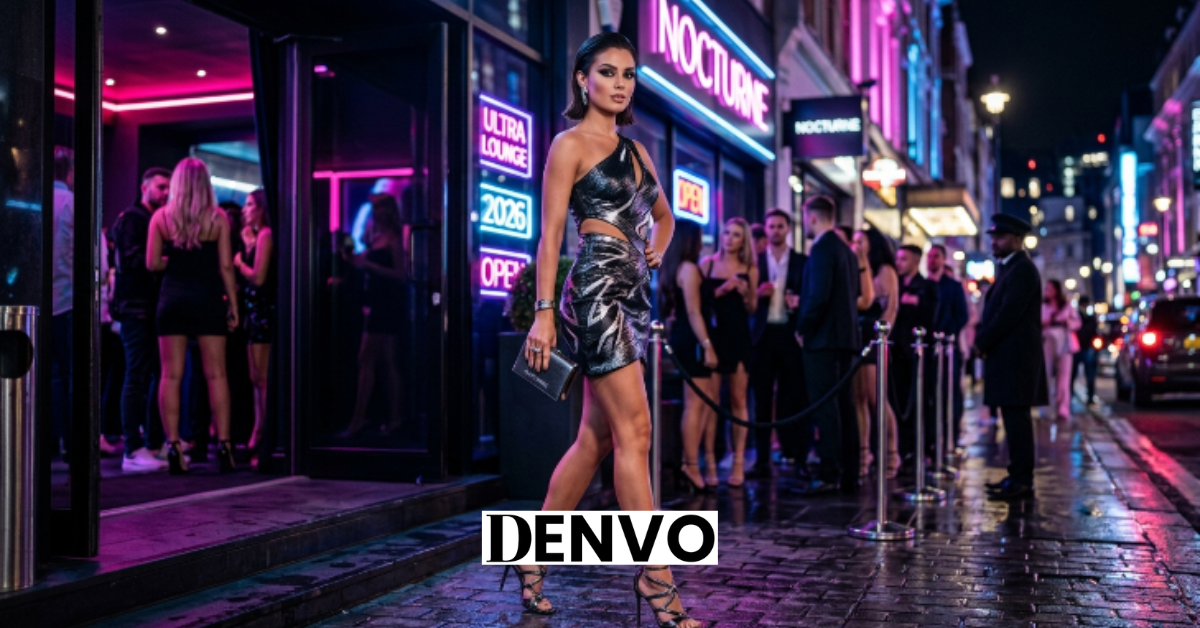
The best clubbing outfits balance confidence, comfort, and current trends. In 2026, the top choices for UK club-goers include bodycon mini dresses, sleek co-ord sets, statement blazers with tailored trousers, and bold metallic pieces.
Key points at a glance:
- Versatility wins — Choose pieces that transition from pre-drinks to the dancefloor without a wardrobe change.
- Fabric matters — Stretch fabrics and breathable materials keep you comfortable during long nights.
- Dress codes vary — Always check the venue’s dress code before choosing your outfit to avoid being turned away at the door.
Whether you’re heading to a rooftop bar in Manchester, a superclub in London, or a student night in Leeds, the right clubbing outfit makes all the difference to your confidence and your night.
Introduction
You’ve booked the tickets, sorted the group chat, and pre-drinks are confirmed. But then comes that familiar panic: What on earth am I going to wear?
Clubbing outfits are one of those deceptively tricky style challenges. You need to look great in dim lighting, stay comfortable enough to dance for hours, survive the queue in October, and somehow still feel like yourself by 2am. It’s a lot to ask of a single ensemble.
The good news? Getting it right is entirely achievable — and once you understand the rules (and which ones to break), putting together a killer night-out look becomes second nature.
In this guide, we’ll walk you through everything you need to know about clubbing outfits in 2026: what’s trending, what works for different body types and venues, how to avoid common pitfalls, and where to shop smart without blowing your budget.
Whether you’re a seasoned clubber or heading out for the first time in a while, there’s something here for everyone. Let’s get into it.
What Are Clubbing Outfits? Defining the Night-Out Aesthetic
At their core, clubbing outfits are any clothing chosen specifically for a night out at a club, bar, or music event. But that definition barely scratches the surface.
In practice, clubbing fashion sits at the intersection of self-expression, practicality, and trend awareness. Unlike workwear or casual daywear, night-out clothing carries a social weight — it signals how you want to be perceived, what kind of energy you’re bringing, and even what kind of music you’re there for.
The Spectrum of Night-Out Dressing
The term “clubbing outfit” covers an enormous range of styles, from ultra-glam sequinned mini dresses to grunge-inspired cargo trousers and mesh tops. The right choice depends heavily on:
- Venue type — A techno warehouse in Hackney calls for something very different from a cocktail bar in Chelsea.
- Occasion — Birthday nights out, freshers’ week, hen dos, and casual Friday nights all have their own unspoken dress codes.
- Personal style — The best night-out looks feel authentic. Wearing something purely because it’s on-trend rarely results in your best night.
Related Terms You’ll Encounter
When researching clubbing fashion, you’ll come across several related terms worth understanding:
- Going-out outfits — A broader term that includes bars, restaurants, and events as well as clubs.
- Party outfits — Often used interchangeably with clubbing looks, though “party” tends to skew slightly more formal or occasion-specific.
- Night-out dresses — A subset of clubbing outfits focused specifically on dresses, which remain the most popular single garment choice for women heading to clubs.
- Smart casual — A common venue dress code that sits between formal and relaxed, ruling out trainers and ripped jeans but not requiring a suit jacket.
The 2026 Clubbing Aesthetic
In 2026, the dominant aesthetic in UK clubbing fashion leans into a confident blend of Y2K revival, quiet luxury, and unapologetic maximalism. Think satin bias-cut skirts paired with structured blazers, sheer layering over bold undergarments, and accessories that do the heavy lifting. The “less is more” approach hasn’t disappeared, but it’s sharing space with more-is-more energy — and both are valid depending on the night.
Real-world example: A Saturday night at a popular Birmingham venue might see half the crowd in sleek, understated co-ords while the other half are fully committed to sequins and platform boots. Both groups are right.
Why Clubbing Outfits Matter — More Than Just Looking Good
The Real Impact of What You Wear on a Night Out
It might seem frivolous to spend serious time thinking about clubbing outfits, but the psychology of dressing for a night out is genuinely significant.
Confidence is the number one factor in having a good time when you go out. Study after study in fashion psychology confirms that wearing an outfit you feel great in directly affects your mood, posture, and social behaviour. When you’re not second-guessing your look, you’re free to actually enjoy the night.
Here are four key reasons why getting your clubbing outfit right genuinely matters:
- First impressions at the door — Many UK venues enforce dress codes strictly. Arriving in the wrong attire can result in being turned away, which is both embarrassing and expensive if you’ve pre-paid for entry.
- Comfort affects your entire night — Heels that destroy your feet by midnight or a top that requires constant readjusting are silent enjoyment-killers. The right outfit lets you focus on the moment.
- Social dynamics — Whether we like it or not, how we present ourselves shapes initial interactions. A well-put-together night-out look signals confidence and effort, which sets a positive social tone.
- Practicality matters — Pockets (rare but glorious), breathable fabrics, and secure closures all contribute to a stress-free night. Practical clubbing outfits mean fewer wardrobe malfunctions.
In 2026, with the cost of living still influencing how often many UK residents go out, nights out have become more intentional. People are going out less frequently but investing more care into each occasion — which means clubbing fashion is getting more thoughtful, not less.
Key Features of a Great Clubbing Outfit
1. The Right Fit for Your Body and the Venue
Fit is everything when it comes to clubbing outfits. An inexpensive piece in the perfect fit will always outperform an expensive garment that doesn’t flatter you.
For clubs and bars, fitted or semi-fitted silhouettes tend to photograph well in low light and photograph the energy of the night more accurately. Bodycon styles remain popular because they’re clean and uncomplicated — no excess fabric to manage on a crowded dancefloor.
That said, oversized and relaxed fits have become increasingly acceptable in club settings, particularly in alternative and music-focused venues. A well-cut wide-leg trouser with a cropped top is just as valid as a mini dress in most UK venues today.
2. Fabric Choice — Comfort Meets Style
The fabric of your clubbing outfit will make or break your night. Key considerations:
- Stretch fabrics (jersey, elastane blends) move with you and rarely crease.
- Satin and silk-effect fabrics look luxurious but can be warm and prone to visible sweat patches — factor in the venue temperature.
- Sequinned and embellished fabrics photograph brilliantly but can be itchy and heavy over a long night.
- Mesh and sheer overlays are hugely popular in 2026 and layer beautifully over slip dresses or co-ord sets.
Avoid stiff fabrics like structured cotton or heavy denim for anything involving serious dancing — they restrict movement and become uncomfortable quickly.
3. Footwear — The Make-or-Break Factor
Ask any experienced clubber and they’ll tell you: your shoes can ruin a perfect outfit. The most common mistake is prioritising aesthetics over wearability.
In 2026, the block heel has firmly supplanted the stiletto as the go-to choice for practical night-out dressing. Block heels offer height and elegance without the ankle instability. Chunky platform trainers and heeled loafers are also widely accepted in most casual-to-smart UK venues.
For more formal clubs and upmarket bars, strappy heeled sandals and pointed-toe kitten heels remain classic choices. Just make sure you’ve broken them in first.
4. Accessories That Elevate Without Overwhelming
Accessories are where a good clubbing outfit becomes a great one. In 2026, the key accessory trends for night-out dressing include:
- Mini bags and micro clutches — The smaller the bag, the more of a statement it makes. Practical? Not really. Iconic? Absolutely.
- Statement earrings — Large hoops, dramatic drops, and architectural ear cuffs are having a major moment.
- Layered necklaces — Particularly popular paired with deep V-necks or off-shoulder styles.
- Bold belts — A wide belt or chain belt can transform a simple dress into a fully considered look.
The rule of thumb: pick one statement accessory and let everything else support it.
Top Clubbing Outfit Ideas — What to Actually Wear
Here’s a practical breakdown of the most popular clubbing outfits for different styles, body types, and venues in 2026.
Option 1: The Bodycon Mini Dress
The undisputed classic of clubbing fashion. The bodycon mini remains one of the most popular choices for UK club-goers because it’s effortless, flattering across a wide range of body types, and available at every price point.
| Style Feature | Best For | Where to Wear |
|---|---|---|
| Ruched detail | Camouflages, flatters curves | All venue types |
| Cut-out detailing | Bold statement look | Trendy/upmarket clubs |
| Asymmetric hem | Adds visual interest | Mid-range venues |
| Sequinned finish | Maximum impact | Celebrations/VIP nights |
Pros: Easy to style, huge variety, great in photos. Cons: Limited comfort for extended dancing, can feel restrictive.
Option 2: The Co-Ord Set
Co-ord sets — matching two-piece outfits — have surged in popularity as a clubbing choice because they remove the “does this go together?” anxiety entirely.
Popular co-ord styles for 2026 include satin wide-leg trouser sets, cropped blazer and shorts combos, and ribbed knit two-pieces. They look polished, photograph well, and can be mixed and matched to create multiple outfits.
Pros: Versatile, polished appearance, mix-and-match potential. Cons: Can look overdressed for casual venues, sizing can be tricky if top and bottom differ.
Option 3: Jeans and a Going-Out Top
Often underrated, the jeans-and-a-top combination is one of the most practical clubbing outfits for casual venues, student nights, and live music events.
The key is elevation: opt for well-fitted, dark-wash jeans (straight leg or slim) and a top that carries the outfit — think satin cami, embellished crop top, or a sheer blouse. Add block-heel boots and a statement earring and this look comfortably holds its own against far fancier alternatives.
Pros: Comfortable, practical, easy to dress up or down. Cons: May not pass dress codes at smarter venues.
Option 4: The Mini Skirt and Top Combo
The mini skirt — whether leather-effect, sequinned, satin, or denim — offers more versatility than a dress because the top can completely change the vibe. A leather mini skirt paired with a simple black crop top reads very differently to the same skirt with a sheer lace overlay.
Pros: Extremely versatile, easy to refresh with different tops. Cons: Requires more thought to style cohesively.
Option 5: The Statement Jumpsuit
The jumpsuit is the underdog of clubbing fashion — often overlooked, but seriously effective when done right. A well-cut halterneck or wide-leg jumpsuit in a rich colour or metallic fabric is a genuine head-turner and bypasses the “does this match?” question entirely.
Pros: One-piece simplicity, very photogenic, stands out in a crowd. Cons: Practicality issues (bathroom trips), sizing can be tricky.
How to Choose the Best Clubbing Outfit for Your Night

A Practical Guide to Getting It Right Every Time
Choosing the perfect clubbing outfit starts with answering three questions before you open your wardrobe:
1. What’s the venue and dress code? This is non-negotiable. Check the venue’s website or social media before you dress. A smart-casual code rules out trainers and casual denim. A “no sportswear” policy is common in UK clubs and is enforced seriously.
2. What’s the weather forecast? This sounds obvious but is routinely ignored. A backless dress is a questionable choice in November unless you’re happy spending the queue shivering. A practical night-out outfit accounts for the journey, not just the inside of the venue.
3. How long are you going to be on your feet? A two-hour cocktail event is very different from a six-hour club night with a 45-minute queue. Be honest with yourself about how your footwear will hold up.
Common sources of confusion:
- “Smart casual” does not mean casual with a blazer. It means genuinely smart — neat trousers, clean shoes, proper tops.
- “No trainers” usually includes white trainers too, even clean ones.
- Dress codes at student venues are typically more relaxed — what counts as “dressed up” varies enormously between a student union and a city centre superclub.
Common Mistakes to Avoid With Clubbing Outfits
Don’t Let These Missteps Ruin Your Night
Even experienced club-goers make avoidable outfit errors. Here are the four most common mistakes to sidestep:
1. Wearing Brand-New Shoes Never debut unworn shoes on a long night out. Even comfortable-looking heels can cause blisters when you’re wearing them for five hours straight. Always break in new footwear first.
2. Ignoring the Dress Code Being turned away from a venue you’ve pre-paid to enter is a genuinely miserable experience. Take five minutes to check the dress code. It’s almost always listed on the venue’s website or booking confirmation.
3. Prioritising Photos Over Comfort Social media has genuinely changed how people dress for nights out — sometimes to their detriment. An outfit that looks amazing in photos but makes you miserable on the dancefloor is a bad outfit choice. The best night-out memories come from actually enjoying yourself, not from standing still all night to protect your look.
4. Over-Accessorising More is not always more. Competing statement pieces — giant earrings, an oversized bag, a dramatic belt, and a bold necklace — tend to cancel each other out. Choose one focal point and build around it.
Pro Tips for Elevating Your Clubbing Outfits
Insider Advice From People Who’ve Made Every Mistake Already
Layer strategically. A sheer kimono or oversized blazer over your main outfit solves the queue-weather problem without ruining the look. Leave it in the cloakroom once you’re inside.
Invest in fashion tape. It costs about £3 and will save you from an embarrassing wardrobe malfunction at least once a year. Pack it in your bag as a matter of habit.
Photograph your outfit in dim light. Before you head out, take a quick photo in a dimly lit room. This tells you far more about how the outfit will look in a club than a brightly lit bedroom mirror does.
The “sit down test” is essential. Any skirt or dress that can’t comfortably accommodate sitting on a bar stool will be a source of stress all night. Do the test before you leave the house.
Neutral undergarments are non-negotiable. This sounds basic, but bright or patterned underwear visible under light-coloured or sheer club outfits is an extremely common and entirely avoidable issue.
Shop your own wardrobe first. Before buying something new, consider whether any pieces you already own can be restyled for the occasion. A well-loved satin slip dress or a good blazer are endlessly versatile night-out staples.
FAQs
What exactly are clubbing outfits
Clubbing outfits are clothes chosen specifically for nights out at clubs, bars, music venues, and similar social events. The term covers everything from bodycon mini dresses and co-ord sets to bold jumpsuits and elevated jeans-and-top combinations. What makes an outfit a “clubbing outfit” is the intent behind the styling — pieces chosen to look good in low lighting, allow freedom of movement for dancing, suit the venue’s dress code, and express personal style in a social setting. In 2026, clubbing fashion in the UK spans a wide aesthetic range, from understated quiet-luxury looks to maximalist sequin-heavy ensembles, with no single “correct” approach beyond dressing with intention.
What are the benefits of choosing the right clubbing outfit?
Wearing the right clubbing outfit has a surprisingly significant impact on your night. Psychologically, an outfit you feel confident in improves your mood, posture, and social confidence — you’re more likely to enjoy yourself when you’re not worrying about your appearance. Practically, the right clothing choice ensures you pass venue dress codes, stay comfortable throughout the night, and can move freely on the dancefloor. A well-considered going-out look also means fewer wardrobe malfunctions and less time spent adjusting clothing. In a broader sense, your night-out outfit is a form of self-expression — it’s a chance to present a version of yourself that feels exciting and authentic in a way that everyday clothes often don’t allow.
How do I choose the best clubbing outfit for my body type and venue?
Start by identifying the venue type and dress code — this narrows your choices significantly. For smarter venues, opt for polished pieces like tailored co-ords, midi dresses, or sleek jumpsuits. For casual clubs and live music events, elevated basics like dark jeans with a satin top work well. In terms of body type, the most important principle is fit: choose garments that suit your proportions rather than following trends blindly. Stretch fabrics and ruched detailing are universally flattering. For comfort, consider how long you’ll be standing or dancing and choose footwear accordingly. Always do a practical “sit down and move around” test before leaving the house.
What mistakes should I avoid when putting together a clubbing outfit?
The most common mistakes are: wearing brand-new shoes (blisters guaranteed), ignoring the venue’s dress code (you may be turned away), prioritising how an outfit photographs over how it feels to wear it, and over-accessorising so that no single element of the look stands out. A less-discussed mistake is failing to account for the weather — particularly relevant in the UK, where October nights can be unexpectedly cold. Another frequent error is wearing a fabric that doesn’t suit the environment: heavy structured pieces in a warm, crowded venue are deeply uncomfortable. The solution to most of these issues is simply thinking practically as well as aesthetically when you’re putting your night-out look together.
Where can I find the best clubbing outfits in the UK?
The UK has excellent options at every price point for clubbing outfits. For affordable fashion-forward pieces, ASOS, PrettyLittleThing, Boohoo, and Missguided are the go-to destinations, with fast turnaround on current trends. For mid-range quality with broader sizing, Zara, River Island, and ASOS Design offer more considered pieces. For investment-quality night-out clothing, & Other Stories, Reiss, and Whistles stock elevated options that will outlast seasonal trends. Vintage and charity shops are also worth exploring for unique pieces — particularly for the Y2K and early-2000s styles that continue to dominate club fashion in 2026. Depop and Vinted are strong platforms for second-hand night-out pieces at significant savings.
Conclusion
Clubbing outfits are ultimately about one thing: feeling like the best version of yourself when you walk through the door.
The specifics — bodycon or co-ord, heels or platforms, sequins or satin — matter far less than the confidence with which you wear whatever you’ve chosen. The most memorable club looks aren’t always the most expensive or the most on-trend; they’re the ones worn by people who are fully committed to them.
Take the time to consider your venue, your comfort, and your personal style before you decide. Use the practical tips in this guide to avoid the common pitfalls. And remember: the goal isn’t to look like a fashion editorial. The goal is to have a brilliant night.