

Quick Answer
The best tape in hair extensions are made from 100% Remy human hair, use medical-grade adhesive strips, and blend seamlessly with natural hair. Top brands include Glam Seamless, Great Lengths, and Babe Hair. Expect 6–8 weeks between salon reapplication sessions and up to a year of use per set with proper care.
Half the women who buy hair extensions end up disappointed — not because extensions don’t work, but because they picked the wrong type. If you’ve ever tried clip-ins that slipped out mid-dinner or sew-ins that left your scalp aching for a week, you already know the feeling. The good news? The best tape in hair extensions solve almost every one of those problems.
Tape-ins have quietly become the stylist’s go-to method for a reason. They’re flat, fast to apply, surprisingly comfortable, and when you choose quality, they look completely undetectable. This article breaks down exactly how they work, which brands genuinely deliver, what mistakes are silently wrecking people’s results, and how to get the most out of your investment — whether you’re a first-timer or someone who’s been through the extension trial-and-error cycle already.
By the time you finish reading, you’ll know more about tape-in extensions than most people who’ve worn them for years.
What Are Tape In Hair Extensions — And Why They Dominate Right Now
Here’s what nobody tells you upfront: tape-in extensions aren’t just a trend. They’ve held their ground as one of the most popular professional extension methods for over a decade because the technology actually makes sense for real life.
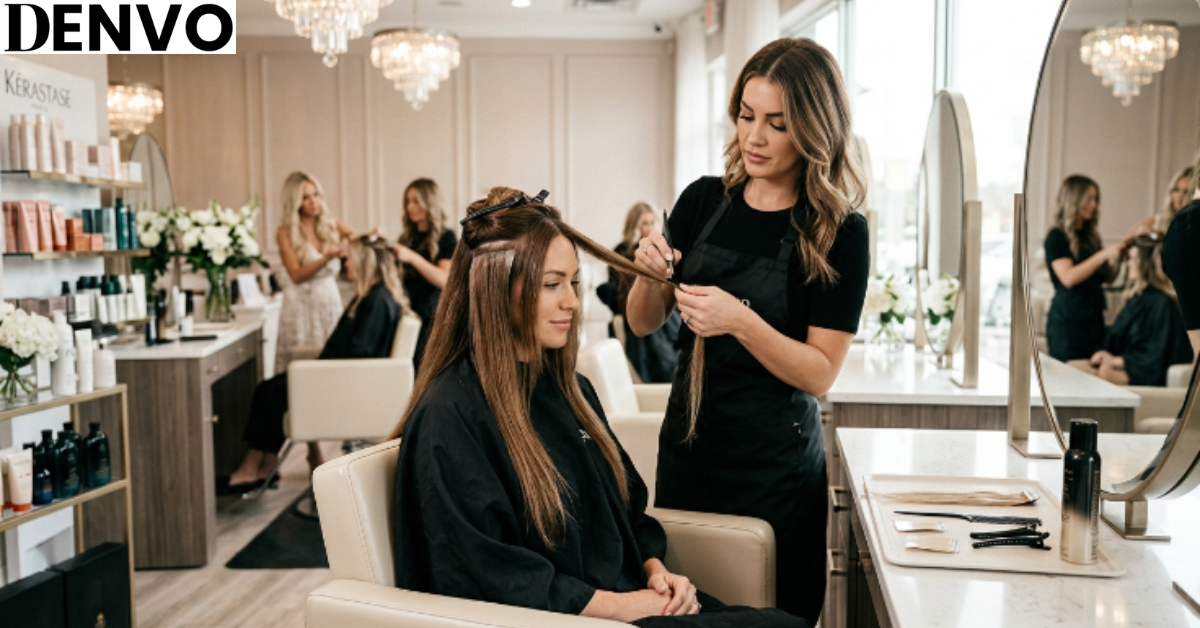
A tape-in weft is a thin strip of hair — typically 1.5 inches wide — with a medical-grade adhesive backing. During application, two wefts sandwich a thin section of your natural hair between them, creating a near-invisible bond that sits flat against the scalp. The result is hair that moves naturally, layers beautifully, and doesn’t create the bulging ridge that older bonded methods did.
The market for hair extensions globally was valued at over $3.5 billion in 2024 and tape-ins represent one of the fastest-growing segments within it. Salon professionals favor them because application takes 45–90 minutes compared to several hours for sew-in methods. Clients love them because comfort levels are dramatically higher. That combination — speed, comfort, and invisible finish — is why tape-ins are the method most stylists recommend to first-time extension wearers.
Pro Tip: Always confirm your stylist specializes in tape-in application specifically. A general extension certification doesn’t mean experience with the tape-in sandwich technique — placement angle and section thickness make or break the final look.
How Tape In Extensions Actually Work (The Part Most Guides Skip)
Most articles explain what tape-ins are. Far fewer explain the actual mechanics — and understanding them is what separates a great result from a disaster.
The adhesive used in quality tape-in extensions is a polyurethane-based, heat-activated bond. When your stylist presses the two wefts together around your natural hair, that bond creates compression. It’s not glued to your hair — it’s gripped around it. This matters because it means proper removal won’t damage your hair, provided you use the right remover solution (more on that shortly).
The Sandwich Method Explained
Your stylist takes a horizontal section of your natural hair roughly the same width as the weft — about 1.5 inches. One weft goes underneath that section, adhesive side up. A second weft goes on top, adhesive side down. They’re pressed firmly together. The natural hair sits encased between the two strips, held by adhesion without any direct bonding to the hair shaft itself.
Heat plays a double role here. The application process sometimes uses a heated tool to activate the bond, and heat styling later can actually weaken low-quality adhesive over time. This is one of the biggest differences between budget and premium tape-in extensions — the quality of the adhesive determines how long that bond holds under real-world conditions like hot showers, flat irons, and humid weather.
Pro Tip: Wait at least 48 hours after installation before your first wash. The adhesive needs time to fully set. Washing too soon is the number-one reason tape-in bonds loosen prematurely — even with premium brands.
The Best Tape In Hair Extension Brands Worth Your Money
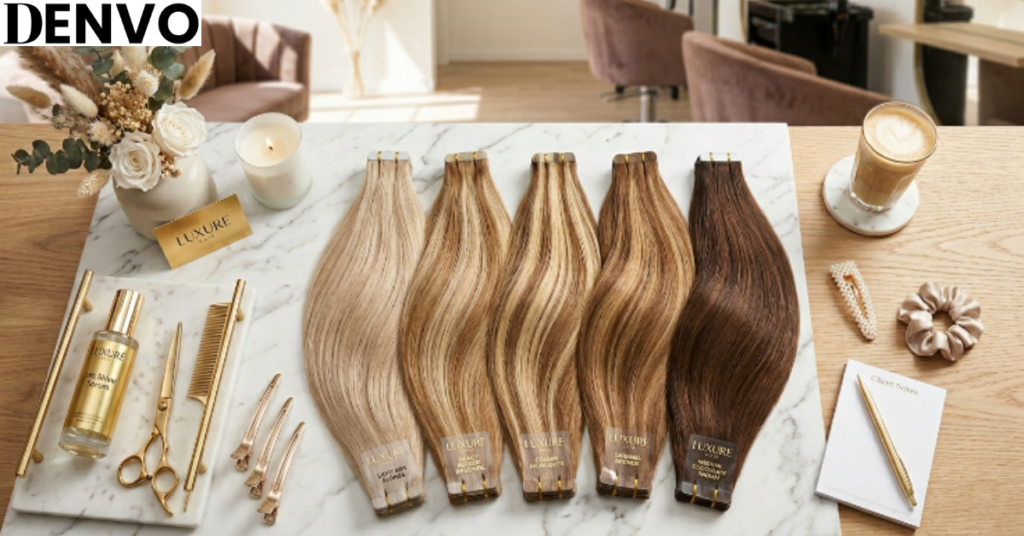
The market is flooded with options, and the price gap between brands is enormous — from $40 to $800+ per set. That range isn’t arbitrary. Here’s an honest breakdown of what you get at each level.
| Brand | Hair Type | Avg. Price / Set | Lifespan | Best For | Rating |
|---|---|---|---|---|---|
| Glam Seamless | 100% Remy Human | $280–$380 | 9–12 months | Natural blending, first-timers | ⭐⭐⭐⭐⭐ |
| Great Lengths | Ethically Sourced Remy | $500–$800+ | 12–18 months | Luxury, fine hair | ⭐⭐⭐⭐⭐ |
| Babe Hair Extensions | 100% Human Remy | $200–$350 | 8–12 months | Salon professionals | ⭐⭐⭐⭐½ |
| Bellami Hair | Remy & Non-Remy options | $150–$300 | 6–9 months | Color variety, volume | ⭐⭐⭐⭐ |
| Budget Brands (Amazon) | Often synthetic blend | $30–$80 | 2–4 months | Testing the look only | ⭐⭐ |
The truth is, cheap tape-in sets often cost more in the long run. When the adhesive fails at week three or the hair mats and tangles, you’re paying for removal and a new set sooner than planned. Remy human hair, where the cuticles all run in the same direction, is non-negotiable if you want extensions that last and don’t tangle.
Common Mistakes People Make With Tape In Extensions
Most people get this completely wrong — and they don’t realize it until the damage is done. The mistakes aren’t dramatic; they’re small, daily habits that silently erode your results.
Using the Wrong Products
Oils, serums, and silicone-heavy conditioners are the most common culprits behind early bond failure. These products migrate up the hair shaft and reach the tape. Once oil contacts the adhesive, it starts breaking down the bond — sometimes within days. You need sulfate-free, extension-safe shampoos and should apply conditioner from mid-shaft down only, never at the roots.
Sleeping Wrong
Going to bed with wet hair or loose, tangled extensions causes matting at the bonds. A loose braid or silk scrunchie ponytail before sleep takes 30 seconds and adds weeks to your extension life. Sleeping on a silk pillowcase reduces friction against the tape bonds — one small change, meaningful results.
Skipping Reapplication Appointments
As your natural hair grows, the tape bonds move away from the scalp and the weight distribution changes. At 6–8 weeks, they need repositioning. Pushing to 10–12 weeks causes tangling, visible bonds, and sometimes breakage from uneven tension. Missing reapplication appointments is the fastest way to turn a premium investment into a disappointing experience.
Pro Tip: Brush your extensions twice a day with a loop or extension-specific brush, starting from ends and working upward. Brushing from the root down puts direct stress on the bonds and is one of the leading causes of premature slippage.
Step-by-Step: How to Prepare for Your First Tape In Appointment
Showing up prepared makes a significant difference in the outcome — both for the installation and the longevity. Here’s what to do in the days before and after your appointment.
- 1Wash your hair the day before — not the morning of.Clean, dry hair bonds better. Freshly washed hair that’s slightly dried down (24 hours old) gives the adhesive the cleanest surface without any residue from products you apply right after washing.
- 2Arrive with no products in your hair.No dry shampoo, no heat protectant, no styling products. These all coat the hair shaft and compromise adhesion.
- 3Bring photo references of your goal length and volume.Your stylist can calculate how many wefts you need more accurately with visual references. Most people need 40–60 weft pieces for a full head; fine-haired clients may need up to 80.
- 4Ask your stylist to color-match in natural light.Salon lighting can skew color perception. Step outside with the sample wefts next to your hair before committing — this prevents the most common “it looked different in the chair” disappointment.
- 5Schedule your 6-week reapplication before you leave.Life gets busy. Booking the maintenance appointment while you’re still in the chair guarantees you won’t push it to 10 weeks and end up with complications.
- 6Purchase extension-safe products at or before the appointment.Your stylist can recommend sulfate-free shampoo and an extension-safe leave-in. Having these ready means you’re not improvising at home and risking your new install with the wrong product.
Myths vs. Facts: What You’ve Heard About Tape In Extensions
The internet is full of contradictory information about tape-in extensions. Let me clear up the most persistent myths that are costing people money and confidence.
❌ Myth
Tape-in extensions damage your natural hair.
✅ Fact
When applied and removed correctly by a professional, tape-ins cause no damage. Damage occurs from improper removal, excessive tension, or skipped maintenance — not the method itself.
❌ Myth
You can’t wash your hair often with tape-ins.
✅ Fact
You can wash 2–3 times per week with the right extension-safe shampoo. The restriction is product type, not wash frequency. Extensions actually benefit from regular, gentle cleaning.
❌ Myth
All human hair tape-ins are the same quality.
✅ Fact
“Human hair” is a broad label. Remy hair — where all cuticles face one direction — is dramatically superior to processed or turned hair. Always confirm “100% Remy” before purchasing.
❌ Myth
You can apply tape-in extensions yourself at home.
✅ Fact
While DIY kits exist, improper sectioning and placement leads to visible bonds, uneven weight distribution, and accelerated damage. Professional application is worth every dollar for permanent wear.
Think of it this way: the method itself is not the risk. It’s the execution. With the right brand, the right stylist, and a consistent maintenance routine, tape-in extensions are one of the safest long-term extension options available.
Pro Tip: When removing tape-in extensions at home (if you must), use a dedicated adhesive remover — never pull or peel. Apply remover, wait 30–60 seconds, then slide the bond apart gently. Pulling while dry can rip natural hair from the follicle.
Expert Tips That Actually Extend Your Extension Life
Here’s what nobody tells you until you’ve already ruined a $400 set: the maintenance habits in the first 72 hours after installation matter more than anything you do in month two.
Beyond the basics, there are a few professional-level strategies that genuinely extend how long your extensions perform beautifully. Heat styling is allowed — but always apply a heat protectant from mid-shaft down and keep styling tools below 365°F (185°C). The tape bond itself can tolerate heat, but the hair fiber degrades faster with repeated high-heat exposure.
Swimming is manageable, not off-limits. Chlorine and salt water both break down adhesive faster, but wearing a tight swim cap or braiding hair before entering water dramatically reduces exposure. Rinse thoroughly within 15 minutes of swimming and let extensions dry in a loose braid — never let them air dry in an uncontrolled tangle.
Finally, consider your extension cycle investment holistically. A quality set at $350 that lasts 12 months works out to under $30 per month. Budget sets that last 3 months at $80 each cost the same annually — but with far more salon trips, more adhesive stress on your natural hair, and a look that degrades faster. The math consistently favors quality.[External Link Suggestion: American Academy of Dermatology — Hair Care Tips and Extension Safety: aad.org]
Conclusion
Tape-in extensions aren’t complicated — but they reward people who approach them informed. Three things matter above everything else: the hair quality (Remy, always), the adhesive grade (ask your supplier specifically), and your maintenance consistency. Those three factors determine 90% of your outcome.
Don’t let budget compromise the first two. You can learn the maintenance habits — they become second nature within two weeks. But you can’t un-buy synthetic hair or low-grade adhesive once it’s bonded to your head.
If you’re ready to take the next step, book a consultation with a certified tape-in specialist and bring this article’s comparison table with you. The right questions in that chair will save you months of frustration.
What’s your biggest question about tape-in extensions?
👇Drop it in the comments — we answer every one. And if you found this helpful, share it with someone who’s been on the fence about trying extensions. It might be the nudge they needed.
FAQs
How long do the best tape in hair extensions actually last?
With premium Remy hair and proper maintenance, a quality set of tape-in extensions lasts between 9 and 18 months. The hair itself has that lifespan — but the adhesive tabs need replacing every 6–8 weeks as your natural hair grows. Reapplication involves removing the old tabs, cleaning the wefts, and applying fresh adhesive. Budget sets degrade much faster, typically needing full replacement in 2–4 months due to inferior hair fiber quality.
Can I color or highlight tape in hair extensions?
Yes, but with important caveats. Remy human hair extensions accept color similarly to natural hair, but repeated chemical processing weakens the fiber faster than it would on virgin hair. Toning and subtle glazing are lower risk than full bleaching. Never bleach close to the tape bonds — the chemicals can degrade the adhesive and cause bond failure. Always have a professional colorist handle this, and disclose to them upfront that extensions are present.
Are tape in extensions good for fine or thin hair?
Tape-ins are actually among the best extension methods for fine hair precisely because they’re flat and lightweight. The key is having your stylist use smaller weft sections and ensure the bonds never carry too much weight. Avoid applying them too close to the hairline where natural hair is thinnest. Great Lengths and Glam Seamless both offer extra-fine wefts specifically designed for clients with thinner natural hair density.
How do I remove tape in hair extensions safely at home?
Safe at-home removal follows these steps:
- Apply a professional adhesive remover (like Walker Tape Remover or Ghost Bond Remover) directly to the bond
- Wait 30–60 seconds for the solution to penetrate
- Gently slide — never pull — the two weft panels apart
- Slide the weft away from the hair rather than pulling the hair away from the weft
- Use a fine-tooth comb to remove any remaining adhesive residue before washing
What’s the difference between best tape in hair extensions and clip-in extensions?
The fundamental difference is permanence and lifestyle disruption. Clip-ins attach and detach daily, require no salon visits, and carry no adhesive — but they’re bulkier, more visible, and require nightly removal. Tape-ins are semi-permanent, require professional installation, but integrate with natural hair far more seamlessly and can be worn 24/7. For daily wear and a truly natural look, tape-ins consistently outperform clip-ins. For occasional events, clip-ins make more financial sense.
How many tape in extension wefts do I need for a full head?
The number varies based on desired result and natural hair density. General estimates by goal: adding subtle volume and a little length = 20–30 wefts; a noticeable length and fullness upgrade = 40–60 wefts; dramatic transformation (thin to thick, or significant length change) = 60–100 wefts. Your stylist should do a density assessment at consultation. Going with fewer wefts than needed creates visible gaps — always err slightly higher than your minimum estimate.