

Introduction
The name Robert Attenborough may not be as widely recognized as some of his contemporaries, yet his connection to one of Britain’s most influential families makes him a fascinating subject of discussion. When exploring the Attenborough legacy, most people immediately think of iconic figures like David Attenborough and Richard Attenborough. However, Robert Attenborough also holds a meaningful place within this distinguished lineage.
Understanding Robert Attenborough requires not only examining his individual life but also the broader cultural, intellectual, and historical environment that shaped the Attenborough family. This article provides a deep dive into his background, family influence, contributions, and legacy while naturally incorporating relevant contextual insights and SEO-focused content.
The Attenborough Family Background
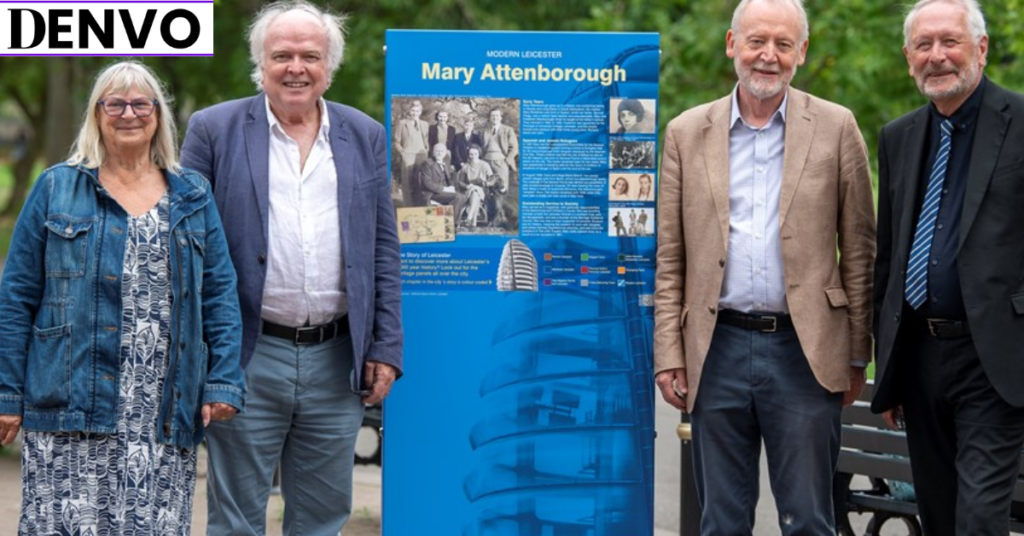
The Attenborough family has long been associated with intellectual excellence, creativity, and public service. At the center of this legacy stands Frederick Attenborough, the patriarch who served as an academic leader and played a significant role in shaping the educational landscape in Britain.
Growing up in such an environment meant that Robert Attenborough was surrounded by ideas, discussions, and a strong emphasis on knowledge and cultural awareness. His brothers, David Attenborough and Richard Attenborough, would go on to achieve global recognition in broadcasting and film respectively, making the Attenborough name synonymous with excellence.
This intellectual upbringing played a crucial role in influencing Robert Attenborough’s worldview, values, and personal pursuits.
Early Life and Education
Robert Attenborough was born into a household where curiosity and learning were actively encouraged. His early education was shaped by exposure to literature, science, and the arts. Unlike many families, where children are guided toward a single career path, the Attenborough household nurtured diverse interests.
Education was not merely about formal schooling but about developing a lifelong passion for discovery. This environment contributed to Robert Attenborough’s intellectual growth, even if his career did not bring him the same level of public recognition as his siblings.
The influence of institutions such as University of Leicester, where his father served as principal, further enriched his formative years. Being part of an academic community exposed him to scholars, thinkers, and cultural figures, which helped shape his understanding of the world.
Relationship with His Famous Siblings

One of the most intriguing aspects of Robert Attenborough’s life is his relationship with his brothers. David Attenborough became a global icon through groundbreaking nature documentaries, while Richard Attenborough achieved acclaim in cinema, directing films such as Gandhi.
Despite their fame, the bond between the Attenborough brothers was rooted in mutual respect and shared values. Family discussions often revolved around culture, science, and society, creating a stimulating environment that encouraged intellectual growth.
Robert Attenborough’s role within this dynamic family was significant, even if it remained less visible to the public. His presence contributed to the strong familial foundation that supported the success of his siblings.
Career and Professional Life
While Robert Attenborough did not pursue a career in broadcasting or film like his brothers, his professional life reflected the same dedication to excellence that defined the Attenborough name.
His work, though less documented in mainstream media, demonstrated a commitment to integrity, discipline, and intellectual engagement. This highlights an important aspect of legacy: not all contributions are measured by public recognition. Sometimes, influence is felt through personal relationships, professional integrity, and the impact on immediate communities.
In the broader context of British society, individuals like Robert Attenborough represent the many contributors who support and sustain cultural and intellectual ecosystems without seeking the spotlight.
Influence of British Culture and Society
To understand Robert Attenborough, it is essential to consider the cultural backdrop of mid-20th-century Britain. This period was marked by significant social, political, and technological changes. The aftermath of World War II led to a renewed focus on education, public service, and cultural development.
Figures like David Attenborough contributed to public understanding of science and nature, while Richard Attenborough brought historical narratives to life through cinema. Robert Attenborough, though less prominent, was part of this broader cultural movement.
His life reflects the values of a generation that prioritized knowledge, responsibility, and contribution to society.
The Importance of Legacy
Legacy is often associated with fame, but it is equally about influence, values, and the ability to inspire others. The Attenborough family exemplifies this concept.
Robert Attenborough’s legacy is intertwined with that of his family. While he may not have achieved global recognition, his role within the family structure contributed to the nurturing environment that allowed his brothers to excel.
This perspective challenges the conventional understanding of success and highlights the importance of supportive roles in achieving collective greatness.
Robert Attenborough and the Concept of Quiet Influence

In today’s world, where visibility often equates to success, Robert Attenborough’s life serves as a reminder of the value of quiet influence. Not every impactful life is lived in the public eye.
Quiet influence can manifest in various ways, including mentorship, intellectual contribution, and personal integrity. These qualities, though less visible, are essential for building strong communities and fostering long-term growth.
Robert Attenborough’s story encourages readers to appreciate the unseen contributions that shape families, institutions, and societies.
Comparison with Prominent Attenborough Figures
Comparing Robert Attenborough with his brothers provides valuable insights into different paths of success. David Attenborough is celebrated for his contributions to natural history and environmental awareness, while Richard Attenborough is remembered for his achievements in film and storytelling.
Robert Attenborough represents a different kind of success—one that is not defined by public acclaim but by personal values and contributions. This comparison highlights the diversity of achievements within the same family.
Lessons from Robert Attenborough’s Life
Robert Attenborough’s life offers several valuable lessons. One key takeaway is the importance of environment in shaping individuals. Growing up in a household that values education and curiosity can have a profound impact on personal development.
Another lesson is the significance of humility. In a world that often prioritizes recognition, Robert Attenborough’s life demonstrates that meaningful contributions do not always require public acknowledgment.
Finally, his story emphasizes the importance of family support. The success of prominent figures often depends on the strength of their support systems, and Robert Attenborough played a role in that dynamic.
The Role of Family in Shaping Greatness
The Attenborough family serves as a powerful example of how a supportive environment can foster excellence. The achievements of David Attenborough and Richard Attenborough are not isolated successes but part of a broader family legacy.
Robert Attenborough’s presence within this family highlights the importance of collective effort in achieving greatness. Success is rarely an individual endeavor; it is often the result of collaboration, support, and shared values.
Cultural and Historical Significance
The Attenborough family’s contributions extend beyond individual achievements. They have played a role in shaping cultural and intellectual discourse in Britain and beyond.
From environmental awareness to cinematic storytelling, their influence spans multiple domains. Robert Attenborough’s connection to this legacy underscores the importance of understanding history through the lens of family and community.
Why Robert Attenborough Still Matters Today
In an era dominated by social media and instant recognition, Robert Attenborough’s story offers a refreshing perspective. It reminds us that value is not solely determined by visibility.
His life encourages a broader definition of success—one that includes integrity, contribution, and the ability to positively influence others. These qualities are more relevant than ever in today’s fast-paced world.
FAQs
Who is Robert Attenborough?
Robert Attenborough is a member of the distinguished Attenborough family, known for its contributions to broadcasting, film, and academia.
Is Robert Attenborough related to David Attenborough?
Yes, he is part of the same family as David Attenborough, one of the world’s most renowned natural historians.
What is Robert Attenborough known for?
He is primarily known for being part of the influential Attenborough family, although his personal life and career remain less publicly documented.
How does Robert Attenborough contribute to the family legacy?
His role within the family helped maintain a supportive environment that contributed to the success of more publicly recognized members.
Why is the Attenborough family important?
The family has made significant contributions to education, broadcasting, and film, shaping cultural and intellectual discourse globally.
Conclusion
Robert Attenborough may not be a household name, but his life is an integral part of a remarkable family legacy. His story highlights the importance of environment, values, and quiet influence in shaping individuals and societies.
By understanding Robert Attenborough, we gain a deeper appreciation for the unseen contributions that support greatness. His life serves as a reminder that success is not always measured by fame but by the impact one has on others.