
Table of Contents
What Is an Irish Blessing?
Where Irish Blessings Actually Come From
Why Irish Blessings Still Matter Today
The Most Famous Irish Blessing, Explained Line by Line
Irish Blessings for Weddings
Irish Blessings for Sympathy and Funerals
Irish Blessings for St. Patrick’s Day
Irish Blessings for a New Home
Irish Blessings for Birthdays and New Beginnings
Irish Blessings in the Irish Language (With Translations)
How to Use an Irish Blessing the Right Way
Irish Blessing vs. Irish Toast vs. Irish Proverb
Common Mistakes People Make With Irish Blessings
Frequently Asked Questions
Conclusion
What Is an Irish Blessing?
An Irish blessing is a short spoken or written wish for good fortune, protection, or happiness, rooted in Ireland’s oral folk tradition. Unlike a formal prayer, it’s usually addressed directly to a person or group, often using nature imagery — roads, wind, sun, rain — to express hope for someone’s wellbeing.
Most Irish blessings share a recognizable rhythm: they open with “May,” name something the speaker hopes will happen, and close with warmth rather than solemnity. That’s why lines like “may the road rise up to meet you” feel instantly familiar even to people who’ve never studied Irish culture — the structure has been repeated for generations in toasts, cards, and family gatherings.
Irish blessings aren’t tied to a single religion, even though many were shaped by Ireland’s Christian history. Today they’re used at weddings, funerals, housewarmings, birthdays, and St. Patrick’s Day celebrations by people of all backgrounds, which is part of why they’ve traveled so far beyond Ireland itself.
Where Irish Blessings Actually Come From
Available evidence indicates that most well-known Irish blessings emerged from Ireland’s oral tradition rather than a single written source. Before widespread literacy, blessings, proverbs, and songs were passed down by speech — from parents to children, at wakes, weddings, and gatherings — which means exact authorship and original dates are rarely known with certainty.
This oral origin explains a few things people often ask about:
Why so many versions exist. A blessing recited in County Kerry might differ slightly from one used in Donegal. Oral traditions naturally shift over time and across regions, so you’ll find minor wording differences between “may the road rise to meet you” and “may the road rise up to meet you” — both are considered authentic.
Why exact dates are hard to pin down. Folklorists and cultural historians generally treat these blessings as part of a living tradition rather than fixed historical texts, so claims that a specific blessing is “500 years old” or was “written by” a named person should be treated with skepticism unless a credible source documents it.
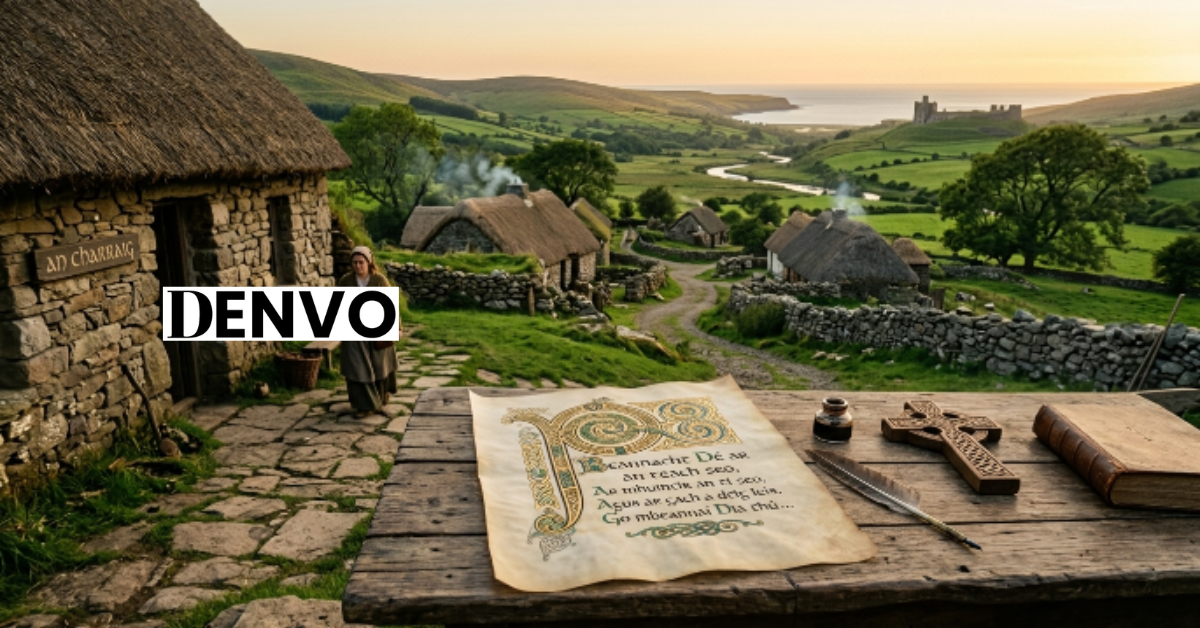
Why they were originally in Irish (Gaeilge). Ireland’s native language is Irish Gaelic, and many blessings began as Gaelic phrases before being translated into English, particularly as Irish emigration to the United States, Britain, and Australia grew in the 19th century. Translation is one reason English versions of the same blessing can read a little differently depending on the source.
Why Irish Blessings Still Matter Today
Irish blessings have outlasted their original context because they solve a very human problem: knowing what to say when words feel inadequate. At a wedding, a funeral, or a farewell, a well-worn blessing gives people language that feels sincere without requiring them to write something from scratch.
They also carry a specific emotional register that’s hard to replicate — hopeful without being naive, warm without being sentimental to the point of cliché. A line like “may your troubles be less and your blessings be more” acknowledges that life is hard while still wishing someone well, which is part of why these phrases work so well for difficult occasions like illness or loss.
Finally, Irish blessings have become a recognizable piece of Irish-American identity. For many families with Irish heritage, reciting a blessing at a wedding or engraving one on a gift is a way of staying connected to that background, even generations removed from Ireland itself.
The Most Famous Irish Blessing, Explained Line by Line
This is, by a wide margin, the best-known Irish blessing in the English-speaking world:
May the road rise up to meet you.
May the wind be always at your back.
May the sun shine warm upon your face,
and rain fall soft upon your fields.
And until we meet again,
may God hold you in the palm of His hand.
It’s traditionally described as a blessing for travelers or for someone starting a new chapter in life — which is why it shows up so often at graduations, farewells, and weddings. Here’s what each line is actually wishing for:
“May the road rise up to meet you” wishes for an easy journey — the road working with you rather than against you, rather than a literal image of pavement lifting.
“May the wind be always at your back” is a sailing and walking metaphor: wind at your back speeds you along, rather than slowing you down.
“May the sun shine warm upon your face” simply wishes for good weather and, by extension, good fortune and comfort.
“And rain fall soft upon your fields” reflects Ireland’s agricultural history — gentle rain nourishes crops, while harsh rain damages them, so this line wishes for gentle, sustaining conditions rather than hardship.
“Until we meet again, may God hold you in the palm of His hand” closes the blessing with protection and reassurance, acknowledging a parting without making it feel final.
Because of its oral folk origins, no single verified author or date can be confidently attributed to this blessing, and readers should treat online claims of a specific centuries-old origin with some caution unless a credible source is cited.
Irish Blessings for Weddings
Wedding blessings tend to focus on partnership, endurance, and shared future rather than individual good fortune. A commonly used example:
May your hands be forever clasped in friendship,
and your hearts joined forever in love.
May your journey together be filled with love,
laughter, and a lifetime of happiness.
These work well read aloud during a toast, printed inside a wedding program, or handwritten on a card. If you’re choosing one for a ceremony, look for language about togetherness rather than individual luck — a blessing about a solo journey (like the road/wind one above) can feel slightly mismatched for a couple, even though it’s often used anyway because of its popularity.
Irish Blessings for Sympathy and Funerals
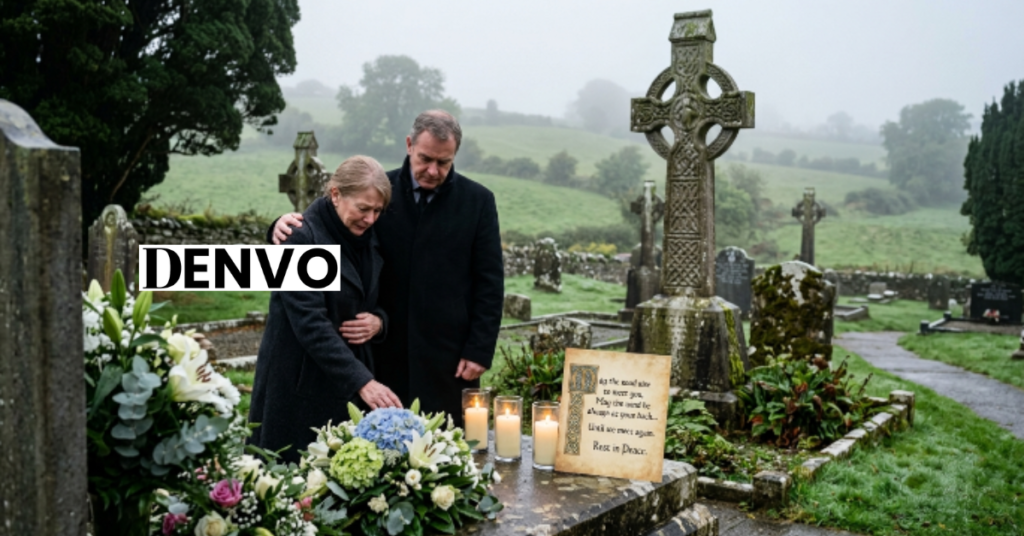
Funeral and sympathy blessings are meant to comfort without minimizing grief. One frequently used example:
May the road rise up to meet you… until we meet again, may God hold you in the palm of His hand.
is often adapted for funerals specifically because of its farewell tone. Another common option, sometimes called the “Irish grief blessing,” acknowledges sorrow directly:
May you feel no rain, for each drop is a kiss from heaven upon your face.
May you feel no wind, for by love’s own hand your face is shielded.
And when you walk through the storm, may your loved one’s memory be a light unto your path.
If you’re choosing a blessing for a card or a service, sympathy-specific wording tends to land better than a general good-luck blessing, since it names the loss rather than skipping past it.
Irish Blessings for St. Patrick’s Day
St. Patrick’s Day blessings lean lighter and more celebratory, often paired with toasts. A well-known example:
May your pockets be heavy and your heart be light.
May good luck pursue you each morning and night.
These are commonly printed on cards, banners, and party décor. Because St. Patrick’s Day in the U.S. is largely a cultural and social celebration rather than a religious observance for most participants, blessings used on this day tend to skip overtly religious language in favor of luck and good cheer.
Irish Blessings for a New Home
Housewarming blessings wish for the home itself — safety, warmth, and welcome. A traditional version:
Bless the four corners of this house,
and be the lintel blest.
And bless the hearth and bless the board,
and bless each place of rest.
The reference to a “lintel” (the beam above a doorway) and “hearth” (fireplace) reflects the blessing’s origin in older Irish homes, where these were literal architectural and family gathering points. It’s a popular choice for housewarming gifts, especially engraved plaques or embroidered wall hangings.
Irish Blessings for Birthdays and New Beginnings
Blessings used for birthdays or new chapters in life tend to focus on growth and ongoing good fortune rather than a single moment:
May you live as long as you want,
and never want as long as you live.
This one is short enough to work in a card, a toast, or even a tattoo — which is part of why it’s stayed popular. It’s less about a specific milestone and more a general wish for a long, satisfying life.
Irish Blessings in the Irish Language (With Translations)
Since many Irish blessings began in Irish (Gaeilge) before being translated, here are a few genuine Irish-language phrases along with their commonly accepted English meanings. Pronunciation is included phonetically since Irish spelling doesn’t map directly onto English sounds.
“Go n-éirí an bóthar leat” (guh NYAY-ree un BOH-hur lat) — roughly, “may the road succeed with you,” the Irish-language root of the famous “road rise up to meet you” blessing.
“Sláinte” (SLAWN-cha) — literally “health,” used as a toast equivalent to “cheers,” not a full blessing on its own but frequently paired with one.
**”Go mba slán an t-anam” **is sometimes cited online as a traditional farewell blessing meaning roughly “may the soul be safe,” though translations of older Irish phrases can vary by dialect and region, so treat exact wording as approximate rather than fixed.
If you want a blessing engraved or tattooed in Irish, it’s worth confirming the translation with a fluent Irish speaker or a reputable Irish-language resource first — machine translation tools frequently get idiomatic Irish phrases wrong.
How to Use an Irish Blessing the Right Way
In a card or letter: Write the blessing on its own, then add a short personal line underneath so it doesn’t feel like a generic insert. For example, follow the road/wind blessing with a sentence about the specific trip or milestone the person is facing.
As a spoken toast: Keep it to one blessing, said slowly, rather than stringing several together. Blessings lose their weight when they’re rushed or combined into a longer speech.
As home décor or a gift: Housewarming and family-themed blessings (like the “four corners of this house” one) work best here, since they’re written to apply to a place rather than a single event.
On a memorial or sympathy card: Choose a blessing that specifically acknowledges loss rather than a general good-luck one — it reads as more thoughtful and less like a stock phrase.
As a tattoo: Shorter blessings (“may you live as long as you want…”) tend to work better than longer multi-line ones, and if going with Irish-language wording, verify the translation first.
Irish Blessing vs. Irish Toast vs. Irish Proverb
These three get used interchangeably online, but they’re not quite the same thing.
| Type | Purpose | Typical Length | Example |
|---|---|---|---|
| Irish Blessing | A direct wish for someone’s wellbeing or good fortune | 2–6 lines | “May the road rise up to meet you…” |
| Irish Toast | A short phrase said while raising a glass, often for a celebratory moment | 1–2 lines | “Sláinte!” |
| Irish Proverb | A general piece of folk wisdom, not addressed to anyone specific | 1 sentence | “A good laugh and a long sleep are the best cures.” |
The overlap happens because toasts are sometimes blessings in miniature, and both draw from the same oral folk tradition — but a proverb isn’t wishing anything on anyone, which is the key difference.
Common Mistakes People Make With Irish Blessings
Assuming there’s one “correct” version. Because these come from oral tradition, minor wording differences (rise up to meet you vs. rise to meet you) are both legitimate — there’s no single official text to compare against.
Treating every blessing as religious. Some do reference God, but plenty — especially the housewarming and birthday ones — are entirely secular and work fine for readers of any or no faith.
Using a farewell blessing for a happy occasion, or vice versa. The road/wind blessing is genuinely about parting, which makes it slightly odd for, say, a birthday card, even though it’s popular enough that it gets used everywhere. Matching the blessing’s original context to your occasion tends to land better.
Trusting unverified “ancient origin” claims. Many websites confidently date blessings to a specific century or attribute them to a named poet without a credible source. Since these blessings passed down orally for generations, that kind of precise dating usually isn’t something folklorists can actually confirm.
Frequently Asked Questions
What is the most famous Irish blessing?
“May the road rise up to meet you” is the most widely recognized Irish blessing in English-speaking countries, commonly used for farewells, graduations, and weddings.
Are Irish blessings religious?
Some are, since many developed during a period when Christianity heavily shaped Irish culture, but many others — particularly housewarming and birthday blessings — are entirely secular.
Where did Irish blessings originate?
Current public information indicates they developed through Ireland’s oral folk tradition over generations, rather than being written by a single documented author, which is why exact dates and origins are difficult to confirm.
Can I use an Irish blessing if I’m not Irish?
Yes. Irish blessings are widely shared as cultural expressions of goodwill rather than restricted religious or ceremonial texts, and they’re commonly used by people of all backgrounds, especially in the U.S.
What’s the difference between an Irish blessing and an Irish prayer?
A blessing is typically addressed to a person, wishing them wellbeing, while a prayer is typically addressed to a higher power. Some Irish blessings blend both, closing with a line like “may God hold you in the palm of His hand.”
Is “Sláinte” an Irish blessing?
Not exactly — it’s an Irish toast meaning “health,” usually said before drinking, rather than a full blessing with wishes attached. It’s often paired alongside a blessing rather than used as one.
What’s a good Irish blessing for a card to someone who’s sick?
Sympathy-style blessings that acknowledge hardship directly — rather than general luck-based ones — tend to feel more appropriate, since they don’t skip past what the person is going through.
Conclusion
Irish blessings have lasted because they do something simple very well: they give people warm, sincere words for moments — weddings, goodbyes, new homes, hard losses — when finding the right thing to say is genuinely difficult. Their strength comes from that oral tradition, passed hand to hand for generations rather than fixed to a single author or date, which is also why you’ll see small variations in wording depending on where you look.
If you’re choosing one for a card, a toast, or a keepsake, the best approach is matching the blessing’s original tone — farewell, celebration, comfort, or welcome — to your specific occasion, rather than defaulting to the most famous one by habit. Done that way, an Irish blessing does exactly what it was always meant to do: say something true, warmly, in very few words.