

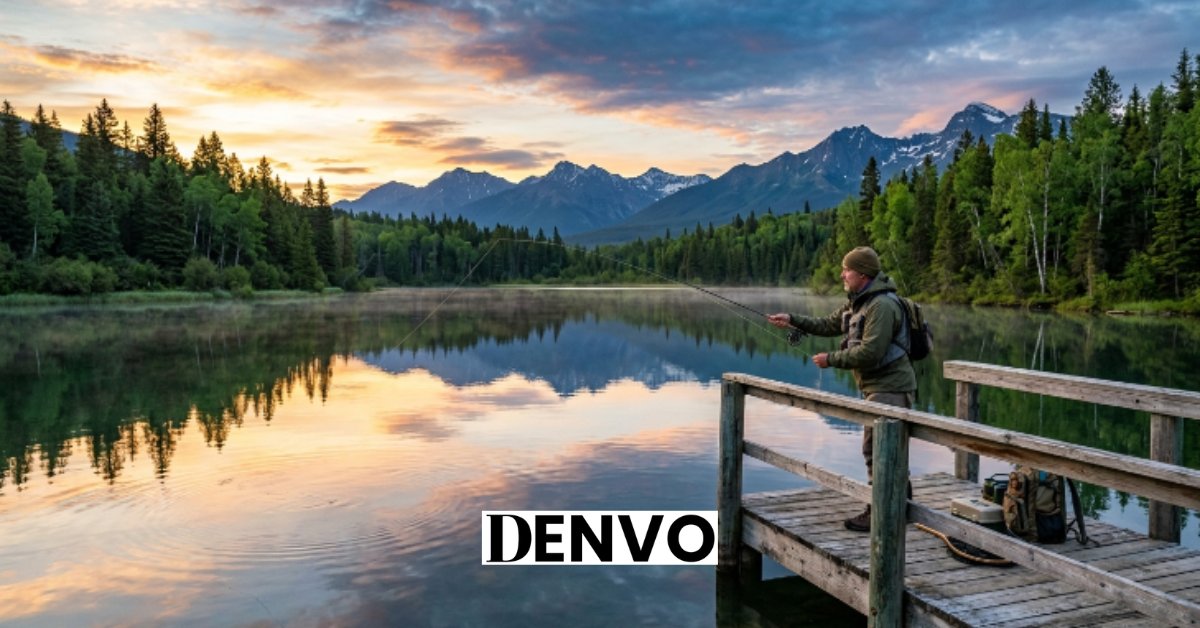
I once drove 40 minutes to a “hot spot” I found online and caught exactly nothing. Not a nibble, not a bite, not even a curious bluegill. That trip taught me more about finding fishing spots than five years of lucky guesses ever did.
Quick answer
The best way to find fishing spots near me is to combine free mapping apps (like Fishbrain or onX Hunt) with local bait shop intel, state wildlife agency stocking reports, and satellite imagery to spot underwater structure. Public boat ramps and county parks are usually your fastest, most reliable starting point.
If you’ve ever typed “fishing spots near me” into Google at 6 a.m. hoping for a miracle, you’re not alone. I’ve done it more times than I’d like to admit, usually while still in my pajamas, coffee in one hand, tackle box already loaded in the truck. This guide is everything I wish someone had told me before I wasted a dozen weekends on spots that looked great on a map and turned out to be glorified mud puddles. No fluff, no recycled listicle advice — just what’s actually worked for me and the guys I fish with.
Fishing Spots Near Me Aren’t Always the Ones Google Shows You
Google Maps is a decent starting point, but it’s not gospel. The little blue “fishing spot” pins you see are often crowdsourced, outdated, or added by someone who fished there once in 2019 and never went back.
I learned this the hard way at a reservoir that Google rated 4.6 stars. Turns out the rating was for the picnic area, not the actual fishing. The water access point had eroded away two years earlier.
What actually works better:
- Check your state’s Department of Natural Resources or Fish and Wildlife website — most publish PDF maps with real access points
- Look at satellite view (not the default map view) to spot boat ramps, jetties, and clear shoreline access
- Search Facebook groups for your county — local anglers post honest, sometimes brutally honest, reviews
Talk to a Bait Shop Owner, Not Just an App
The single best piece of intel I’ve ever gotten came from a guy named Dale at a bait shop that’s barely bigger than a garden shed. He told me exactly which cove the crappie were stacking in, down to which side of the dock.
Apps are great for logistics. People are great for timing. A bait shop owner sees dozens of anglers a week come in with photos, stories, and complaints — that’s real-time data no app can match.
Here’s what I ask every time I walk into a new shop:
- What’s biting right now, and where?
- Any spots that have slowed down lately (so I avoid them)?
- Is there a spot locals keep quiet about but wouldn’t mind a polite stranger trying?
That last question feels awkward the first time. By the third time, it gets easy, and it’s landed me on water I never would’ve found otherwise.
Public Access Points Beat “Secret” Spots More Often Than You’d Think
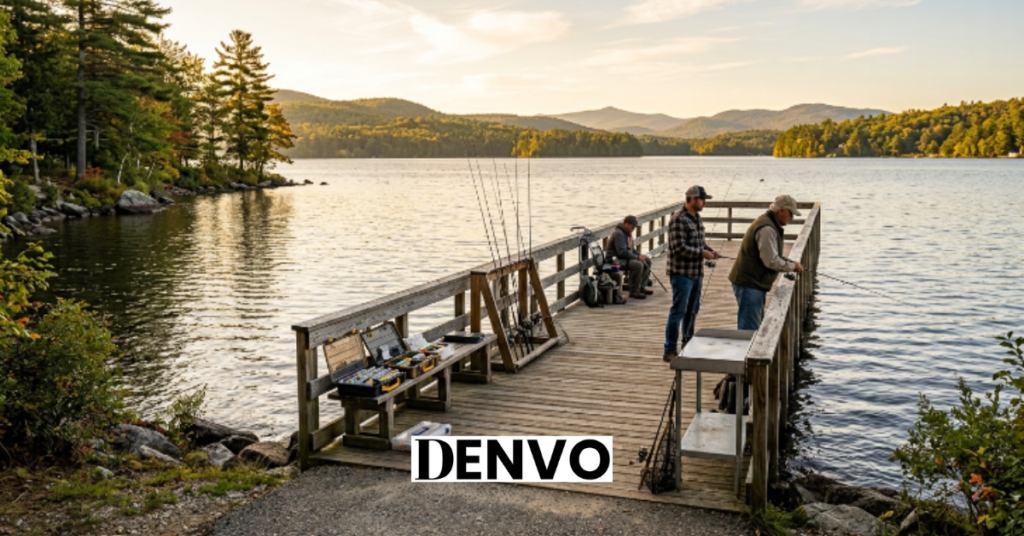
This might sound contrarian, but hear me out: the “secret spot” obsession is often overrated. Public boat ramps, county parks, and stocked ponds produce more consistent catches for most anglers than some hidden creek bend three miles off-trail.
Why? Because public spots get maintained, monitored, and — this is the big one — regularly stocked. A pond near my house gets 800 trout dumped in every spring by the state wildlife agency. I don’t need a secret. I need a calendar.
Stocking reports are public record in most states. A five-minute search can tell you exactly when and where fish were released within the last 30 days. That’s not a guess. That’s a near guarantee.
Timing Matters More Than Location for Fishing Spots Near Me
I’ve fished the same lake at 6 a.m. and caught four bass in twenty minutes. I’ve fished it again at 1 p.m. and caught nothing for three hours. Same spot. Same bait. Completely different result.
Fish feed on schedules tied to light, temperature, and pressure changes, not to our weekend availability. If you can only fish midday, you’re not doomed — you just need to adjust technique and expectations.
A few timing rules I follow now:
- Dawn and dusk produce the most consistent action, especially for bass and trout
- A dropping barometric pressure (before a storm) often triggers feeding frenzies
- Post-rain, muddy water pushed into a lake can concentrate fish near creek mouths
Use Satellite Imagery to Spot Structure Before You Ever Get Wet
Here’s something most casual anglers skip entirely: looking at underwater structure before you show up. Fish relate to structure — drop-offs, submerged trees, points, humps — way more than they relate to “pretty scenery.”
I zoom into satellite view and look for darker patches of water (deeper), points jutting into the lake, and any visible tree lines that might indicate flooded timber. It sounds nerdy. It works.
One afternoon I spotted what looked like an old creek channel snaking through a lake on satellite view. Fished the bend where it met the main body of water. Caught my personal-best largemouth there, an 8-pound, 2-ounce fish that’s still mounted in my garage.
Practical Action Steps: Your Weekend Game Plan
If you want a simple system instead of overthinking it every time, here’s what I actually do before heading out:
- Check your state wildlife agency site for recent stocking reports within 25 miles
- Pull up satellite view and mark 2-3 spots with visible structure or creek mouths
- Call or visit a local bait shop and ask what’s been biting in the last week
- Cross-reference timing — pick dawn or dusk if your schedule allows it
- Pack backup bait for both cover water and open water, since conditions change fast
This takes maybe 20 minutes of prep and saves hours of blind casting. It’s the difference between hoping and knowing.
FAQs
How do I find good fishing spots near me if I’m new to an area?
Start with your state’s wildlife agency website for stocking reports and public access maps. Then visit a local bait shop and ask directly what’s biting — most owners are happy to point beginners in the right direction.
Are app-based fishing spot finders actually reliable?
They’re a solid starting point but shouldn’t be your only source. Apps like Fishbrain are helpful for logging catches and seeing general activity, but local, current information from bait shops or wildlife agencies is usually more accurate.
What time of day is best for finding active fishing spots near me?
Dawn and dusk consistently produce more bites across most species. If you can only fish midday, focus on deeper water or shaded structure where fish retreat during bright hours.
Do I need a boat to access good fishing spots?
Not at all. Many stocked ponds, public parks, and shoreline access points produce excellent catches without a boat. Some of my best days have been standing on a bank with nothing but a rod and a folding chair.
How often are fishing spots restocked?
It varies by state and body of water, but many agencies stock popular ponds and lakes multiple times per year, often in spring and fall. Checking recent stocking reports can tell you exactly when and where.
Conclusion
Finding real fishing spots near me was never about luck. It came down to combining a few reliable sources, paying attention to timing, and not being afraid to ask a stranger at a bait shop for help. The spots that produced my best days weren’t secrets. They were just spots I actually researched instead of guessing at.
What’s the best fishing spot you’ve stumbled onto by accident? Drop it in the comments, or share this with someone who’s still relying on luck instead of a plan.