

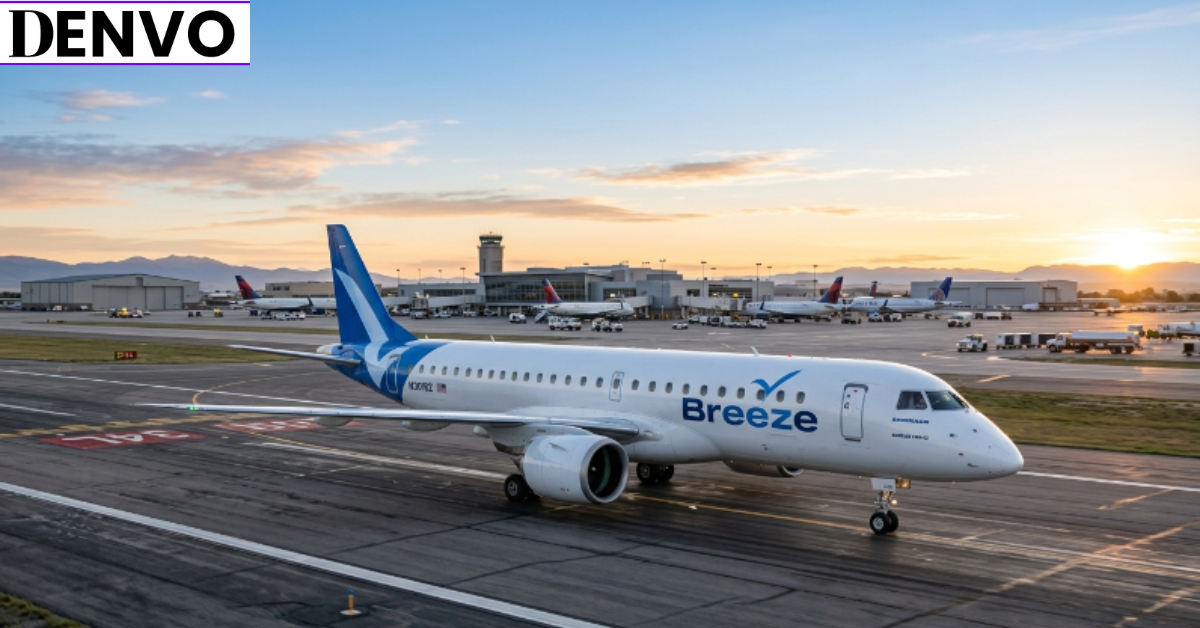
Air travel in the United States has evolved rapidly over the last decade, with passengers demanding lower fares, flexible booking options, and more direct flights between underserved cities. Among the airlines reshaping the domestic travel market, Breeze Airways has become one of the most talked-about names in modern aviation. Commonly searched as breeze airlines the carrier has built a reputation for affordable nonstop flights, simplified booking experiences, and convenient regional connections that traditional airlines often ignore.
Founded by aviation entrepreneur David Neeleman, the airline entered the market with a fresh strategy focused on connecting smaller cities without forcing passengers through crowded hub airports. This approach immediately attracted travelers looking for convenience, lower ticket costs, and shorter travel times.
Today, Breeze Airlines continues to expand across the United States, offering travelers an alternative to legacy carriers while maintaining a customer-friendly identity. From budget-conscious travelers and families to business passengers seeking efficient domestic routes, the airline has positioned itself as a flexible and modern solution in the competitive airline industry.
The Story Behind Breeze Airlines
Breeze Airlines officially launched operations in 2021 with a mission centered around “Seriously Nice” service. Unlike many traditional carriers that prioritize large airport hubs, Breeze focused on secondary airports and underserved city pairs. This model allowed the airline to offer nonstop flights where passengers previously had to make multiple layovers.
The founder, David Neeleman, is already known in the aviation world for creating successful airlines including JetBlue Airways and co-founding WestJet. His experience in building customer-focused airlines played a major role in shaping Breeze Airlines into a modern low-cost carrier with an emphasis on comfort and efficiency.
From the beginning, Breeze Airlines focused on keeping operational costs low while improving the customer experience. The airline introduced digital-first booking systems, streamlined airport processes, and simplified fare structures designed to reduce confusion for passengers.
This strategy helped the airline gain attention quickly in the crowded American aviation market.
Why Breeze Airlines Became Popular So Quickly
One of the biggest reasons Breeze Airlines gained popularity is its unique route network. Many domestic travelers in the United States struggle with inconvenient layovers and long travel times when flying between smaller cities. Breeze identified these gaps and introduced direct routes that saved travelers both time and money.
Passengers also appreciate the airline’s affordable pricing model. In an era where airfare costs continue to fluctuate, Breeze Airlines often offers competitive ticket prices compared to legacy carriers. Travelers looking for cheap domestic flights regularly consider Breeze among their top options.
Another factor behind the airline’s rapid growth is its customer-friendly branding. The company markets itself as approachable, modern, and transparent. This branding resonates strongly with younger travelers who value digital convenience and flexible travel experiences.
The airline’s mobile booking platform, streamlined check-in process, and simplified baggage options also contribute to its growing customer base.
Breeze Airlines Fleet and Aircraft Experience
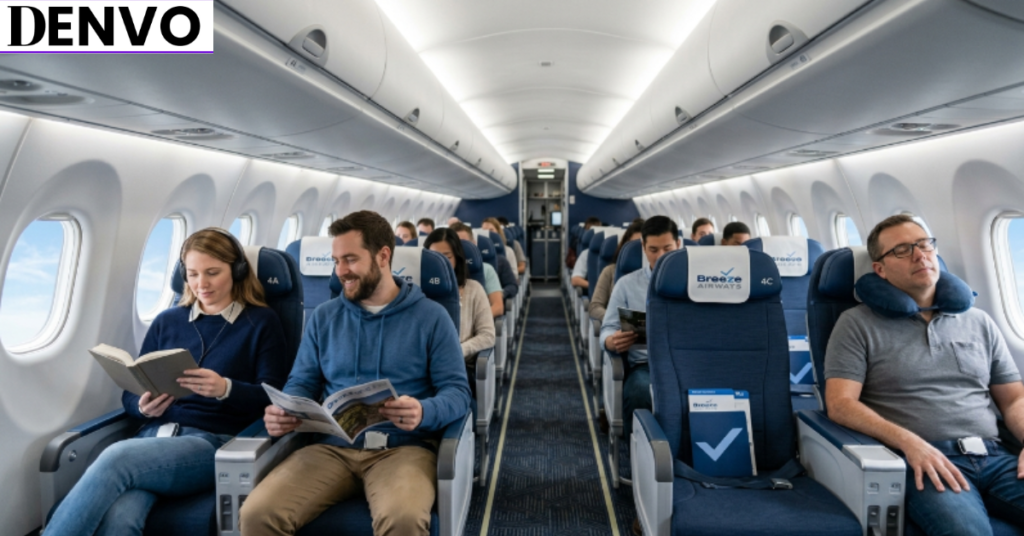
The aircraft experience is an essential part of any airline review, and Breeze Airlines has invested heavily in maintaining a modern fleet. The airline operates a combination of Airbus A220 aircraft and Embraer jets, both known for fuel efficiency and passenger comfort.
The Airbus A220 is particularly popular among passengers due to its quieter cabin, larger windows, and spacious seating layout. Travelers frequently praise the comfortable flying experience, especially on medium-length domestic routes.
Inside the cabin, Breeze Airlines offers different seating options to accommodate various travel budgets and comfort preferences. Passengers can choose standard economy seating or upgrade to more spacious premium seating arrangements depending on availability.
Unlike some ultra-low-cost airlines that focus solely on minimizing costs, Breeze attempts to strike a balance between affordability and comfort. This approach has helped the airline build positive reviews among frequent travelers.
Breeze Airlines Routes and Destinations
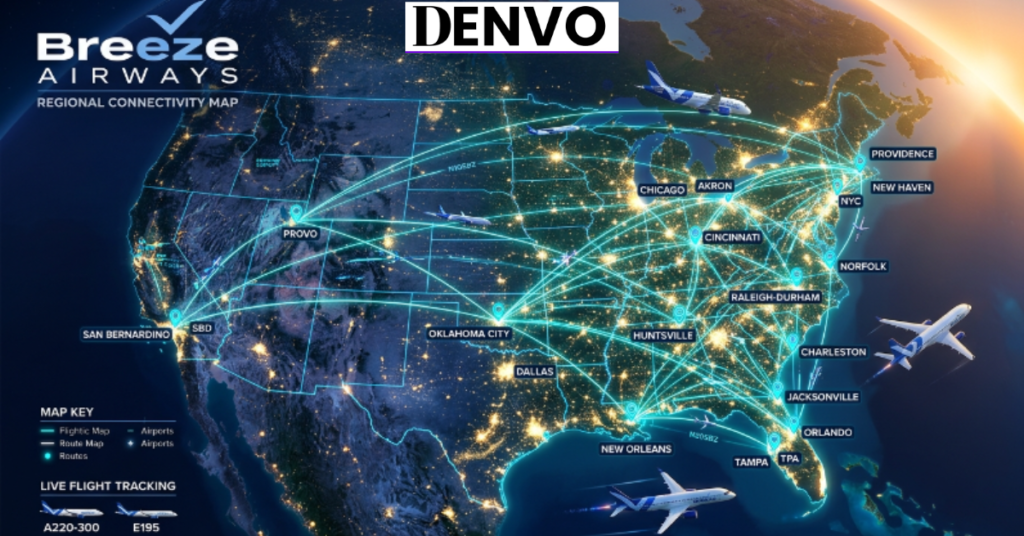
One of the defining features of Breeze Airlines is its route strategy. Rather than competing aggressively on heavily saturated routes dominated by major airlines, Breeze focuses on underserved city connections.
The airline serves destinations across the United States, including cities in Florida, California, Utah, North Carolina, Ohio, and many other regions. Travelers often use Breeze Airlines for leisure trips, family vacations, and regional business travel.
Popular routes typically include connections between medium-sized cities where direct flights were previously unavailable. This reduces travel time significantly and eliminates the frustration associated with layovers.
As the airline continues expanding, industry analysts expect Breeze Airlines to increase its presence in regional airports and secondary travel markets.
Breeze Airlines Fare Types Explained
Breeze Airlines uses a simplified fare structure designed to make booking easier for customers. Rather than overwhelming passengers with complicated pricing systems, the airline provides clear travel categories based on passenger needs.
Travelers looking for the lowest possible fare can choose basic options that include minimal extras. Those seeking greater flexibility or additional comfort can upgrade to premium packages that include extra legroom, checked baggage allowances, and priority boarding.
This flexibility appeals to different traveler demographics. Budget travelers appreciate the affordable entry-level fares, while passengers seeking comfort can customize their travel experience without paying for unnecessary services.
The transparent pricing system is one reason many travelers view Breeze Airlines positively compared to carriers that rely heavily on hidden fees.
Customer Service and Passenger Experience
Customer experience remains one of the most discussed aspects of any airline review. Breeze Airlines has invested in creating a streamlined digital support system while maintaining an approachable customer service identity.
Passengers frequently mention the simplicity of the booking process and mobile app interface. The airline’s website is designed to minimize unnecessary steps during ticket purchases, helping travelers complete bookings quickly.
Customer support primarily operates through digital channels, including messaging systems and online assistance. While some travelers prefer traditional phone support, others appreciate the speed and convenience of digital communication.
Reviews regarding passenger experience are generally positive, particularly among travelers who value low-cost travel combined with relatively comfortable seating and direct routes.
However, like most airlines, Breeze Airlines occasionally faces operational challenges including weather-related delays, schedule adjustments, and seasonal route changes.
Breeze Airlines Baggage Policy
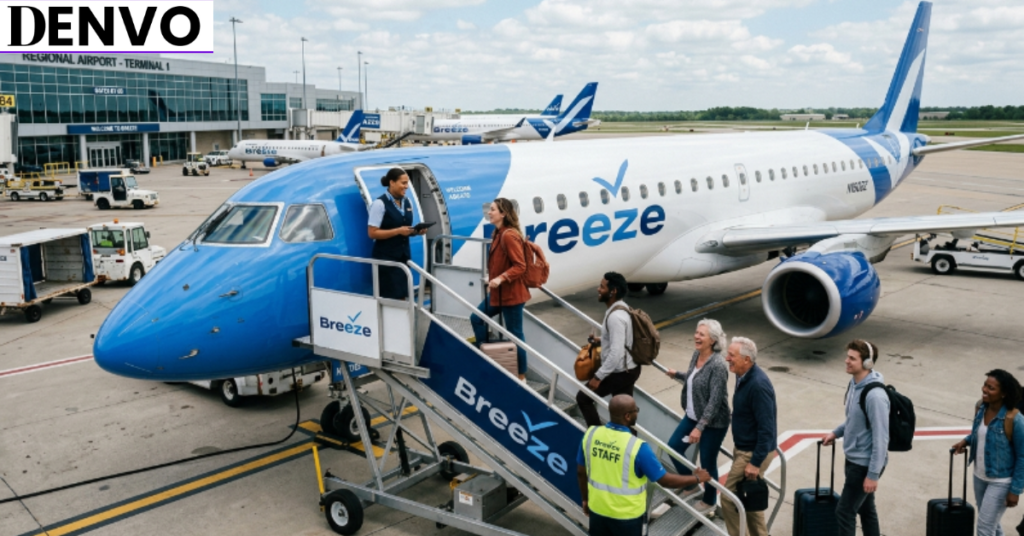
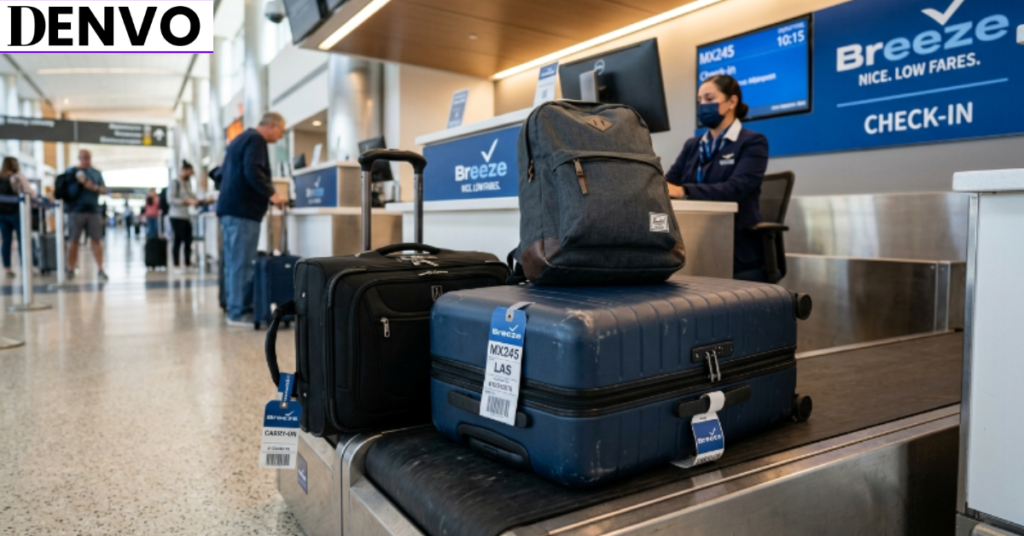
Understanding baggage rules is crucial before booking any airline ticket. Breeze Airlines follows a low-cost carrier model, meaning baggage allowances vary depending on the fare selected.
Passengers traveling with personal items only can often secure the lowest ticket prices. Carry-on bags and checked luggage usually involve additional charges unless included in higher-tier fare packages.
The airline provides clear baggage information during the booking process, helping travelers avoid unexpected airport fees. Weight limits and size restrictions are similar to those of other domestic carriers in the United States.
Travelers planning longer trips or family vacations often choose upgraded fare bundles to include checked baggage and seat selection.
This flexible system allows passengers to pay only for the services they actually need.
How Breeze Airlines Compares to Other Low-Cost Airlines
The American airline market includes several low-cost carriers competing for budget-conscious travelers. Breeze Airlines often draws comparisons with airlines such as Southwest Airlines, Spirit Airlines, and Frontier Airlines.
While Spirit and Frontier focus heavily on ultra-budget pricing, Breeze Airlines positions itself slightly differently by emphasizing comfort and underserved routes. The airline attempts to provide affordable travel without making passengers sacrifice convenience entirely.
Compared to Southwest Airlines, Breeze often offers more direct routes between smaller cities, although Southwest maintains a larger network and stronger brand recognition.
Passengers who value nonstop regional travel frequently prefer Breeze Airlines because it reduces connection times and airport stress.
The Technology Behind Breeze Airlines
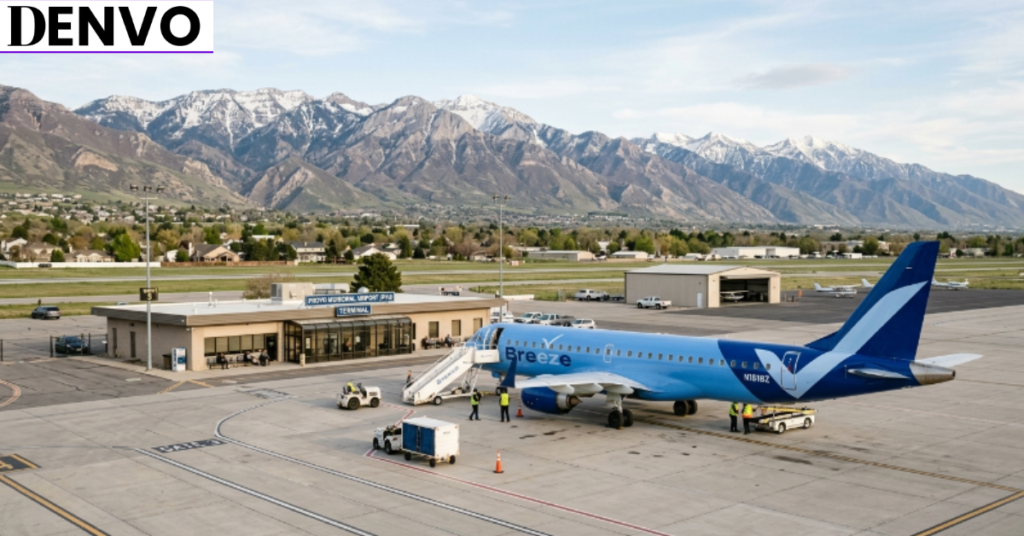
Modern travelers increasingly expect airlines to offer smooth digital experiences, and Breeze Airlines has embraced this trend from the start.
The airline’s mobile-first strategy allows passengers to book tickets, check flight status, manage baggage, and receive updates directly through digital platforms. This approach appeals especially to younger travelers comfortable using apps for every stage of their journey.
Automation also helps the airline reduce operational costs, allowing it to maintain lower ticket prices. Self-service technology, streamlined check-in systems, and digital communication channels all contribute to operational efficiency.
In an industry where customer frustration often comes from complicated processes, Breeze Airlines attempts to simplify the travel experience through technology.
Breeze Airlines and Regional Airport Growth
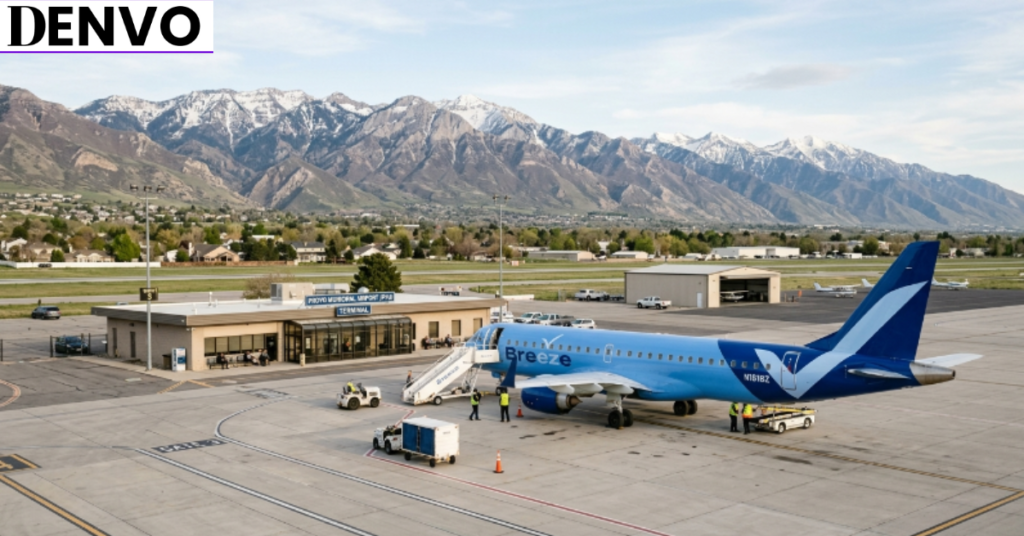
Regional airports have become increasingly important in domestic travel, particularly as passengers seek alternatives to crowded international hubs.
Breeze Airlines has played a major role in boosting activity at smaller airports by introducing direct routes that previously did not exist. This strategy benefits both travelers and local economies.
For passengers, regional airports often mean shorter security lines, easier parking, and faster boarding experiences. For local communities, new air routes can stimulate tourism and business growth.
Industry experts believe Breeze Airlines may continue expanding this model as demand for regional air travel grows across the United States.
Seating Comfort and Cabin Experience
One common criticism of low-cost airlines is limited comfort. Breeze Airlines attempts to distinguish itself by offering a more pleasant onboard environment compared to many ultra-budget competitors.
The Airbus A220 cabins receive especially positive feedback due to wider seats, quieter engines, and improved cabin pressure systems. Travelers often describe flights as smoother and more comfortable than expected for a low-cost airline.
Passengers seeking additional comfort can upgrade to premium seating options that provide more legroom and enhanced amenities. These upgrades remain relatively affordable compared to traditional first-class experiences offered by legacy carriers.
The airline’s branding also contributes to the overall cabin atmosphere, emphasizing friendliness and simplicity rather than a purely transactional experience.
Is Breeze Airlines Safe?
Safety is naturally one of the biggest concerns for travelers when choosing an airline. Breeze Airlines operates under strict aviation regulations established by the Federal Aviation Administration.
The airline uses modern aircraft equipped with advanced safety technologies and follows industry-standard maintenance procedures. Pilots and crew members undergo rigorous training programs consistent with federal aviation requirements.
Because Breeze Airlines operates newer aircraft models, passengers often benefit from updated safety systems and fuel-efficient technologies.
Like all certified commercial airlines in the United States, Breeze Airlines must comply with extensive operational and maintenance regulations before transporting passengers.
Breeze Airlines Loyalty and Membership Options
Frequent travelers often look for airline rewards programs that provide long-term value. Breeze Airlines has gradually introduced loyalty-related features aimed at encouraging repeat bookings.
While the airline’s rewards ecosystem is still developing compared to older carriers, passengers can benefit from promotional offers, travel credits, and membership-style perks.
The airline frequently markets discounted fares and limited-time deals, helping travelers save money on future trips.
As Breeze Airlines continues expanding, industry observers expect its loyalty offerings to become more sophisticated and competitive.
Travel Tips for Flying With Breeze Airlines
Travelers planning to book Breeze Airlines flights can improve their experience by understanding the airline’s operational style.
Booking tickets early often results in lower fares, especially during high-demand travel seasons. Because Breeze Airlines focuses on regional routes, seat availability on certain flights may become limited quickly.
Passengers should also review baggage policies carefully before arriving at the airport. Choosing the appropriate fare bundle in advance can help avoid unnecessary fees later.
Travelers flying through smaller regional airports may benefit from shorter wait times, but it is still important to arrive early enough for check-in and security procedures.
Flexibility is another important factor when booking low-cost airlines. Weather disruptions and route adjustments occasionally affect schedules across the aviation industry.
Breeze Airlines and the Future of Domestic Air Travel
The success of Breeze Airlines reflects broader changes in traveler expectations. Modern passengers increasingly prioritize affordability, convenience, and direct routes over traditional airline luxuries.
As remote work and flexible lifestyles continue influencing travel behavior, demand for regional nonstop flights may grow further. Breeze Airlines appears well-positioned to capitalize on this trend.
The airline’s expansion strategy suggests long-term ambitions within the American aviation market. By targeting underserved routes and maintaining operational efficiency, Breeze Airlines has created a niche that differentiates it from both legacy carriers and ultra-low-cost competitors.
Industry analysts continue monitoring the airline’s growth closely, particularly as fuel prices, economic conditions, and consumer travel preferences evolve.
Environmental Considerations and Fuel Efficiency
Environmental sustainability has become an increasingly important topic in aviation. Breeze Airlines operates modern aircraft that offer improved fuel efficiency compared to older jet models.
The Airbus A220, in particular, is recognized for lower fuel consumption and reduced emissions. These efficiency improvements not only help the environment but also reduce operational costs for the airline.
Passengers who prioritize environmentally conscious travel may appreciate the airline’s use of newer aircraft technology.
While aviation still faces sustainability challenges overall, airlines using fuel-efficient fleets are generally viewed more positively within the industry.
Public Perception and Online Reviews
Online reviews for Breeze Airlines are generally mixed to positive, which is common for newer low-cost carriers. Many passengers praise affordable ticket prices, direct routes, and comfortable aircraft.
Travelers often highlight the convenience of avoiding large airport hubs and long layovers. The airline’s modern branding and streamlined booking experience also receive favorable feedback.
Negative reviews typically involve delays, customer support frustrations, or schedule changes. However, these issues are not unique to Breeze Airlines and occur throughout the airline industry.
Overall, the airline continues building its reputation as a convenient and affordable domestic carrier with strong growth potential.
Why Breeze Airlines Appeals to Modern Travelers
Today’s travelers increasingly value flexibility and efficiency. Breeze Airlines aligns with these preferences by offering customizable travel options, digital convenience, and regional nonstop routes.
The airline particularly appeals to younger travelers, weekend vacationers, and passengers visiting friends and family across smaller American cities.
By reducing travel complexity and focusing on affordability, Breeze Airlines addresses many frustrations associated with traditional air travel.
Its continued expansion indicates strong market demand for alternative domestic flight options.
FAQs
Is Breeze Airlines a budget airline?
Yes, Breeze Airlines operates as a low-cost carrier focused on affordable domestic travel while maintaining a relatively comfortable passenger experience.
Does Breeze Airlines offer nonstop flights?
Breeze Airlines specializes in nonstop routes between underserved cities, helping passengers avoid long layovers and crowded hubs.
Is Breeze Airlines safe to fly with?
Breeze Airlines follows all aviation safety regulations established by the Federal Aviation Administration and operates modern aircraft with updated safety systems.
What aircraft does Breeze Airlines use?
The airline primarily operates Airbus A220 aircraft and Embraer regional jets known for fuel efficiency and passenger comfort.
Does Breeze Airlines charge for baggage?
Yes, baggage fees depend on the selected fare type. Higher-tier fares may include carry-on bags and checked luggage.
Why do travelers choose Breeze Airlines?
Passengers often choose Breeze Airlines because of affordable fares, direct regional routes, modern aircraft, and simplified booking experiences.
Conclusion
Breeze Airlines has emerged as one of the most interesting developments in modern American aviation. By focusing on underserved routes, affordable pricing, and simplified travel experiences, the airline has successfully differentiated itself in a highly competitive market.
Travelers seeking direct domestic flights, lower fares, and modern aircraft increasingly view Breeze Airlines as a practical alternative to larger carriers. While the airline still faces challenges common to the aviation industry, its customer-focused approach and strategic route planning continue attracting attention nationwide.
As the airline expands its network and refines its services, Breeze Airlines may play an even larger role in shaping the future of regional air travel in the United States.