

Introduction
The phrase ohio champion trees lewis center ohio represents more than just a location-based search term—it reflects a growing interest in preserving natural heritage, celebrating biodiversity, and connecting communities with remarkable trees that have stood the test of time. In Lewis Center, Ohio, these champion trees symbolize ecological richness, historical significance, and environmental stewardship.
Champion trees are not ordinary trees. They are recognized for their exceptional size, age, or rarity within a specific species. Whether towering above the skyline or quietly growing in preserved landscapes, these trees are living monuments. For residents, visitors, environmentalists, and researchers alike, exploring ohio champion trees lewis center ohio offers a unique opportunity to engage with nature in a meaningful way.
This in-depth guide explores what makes these trees special, where to find them, how they are measured and recognized, and why they matter in today’s rapidly changing environment.
Understanding Champion Trees in Ohio
What Are Champion Trees?
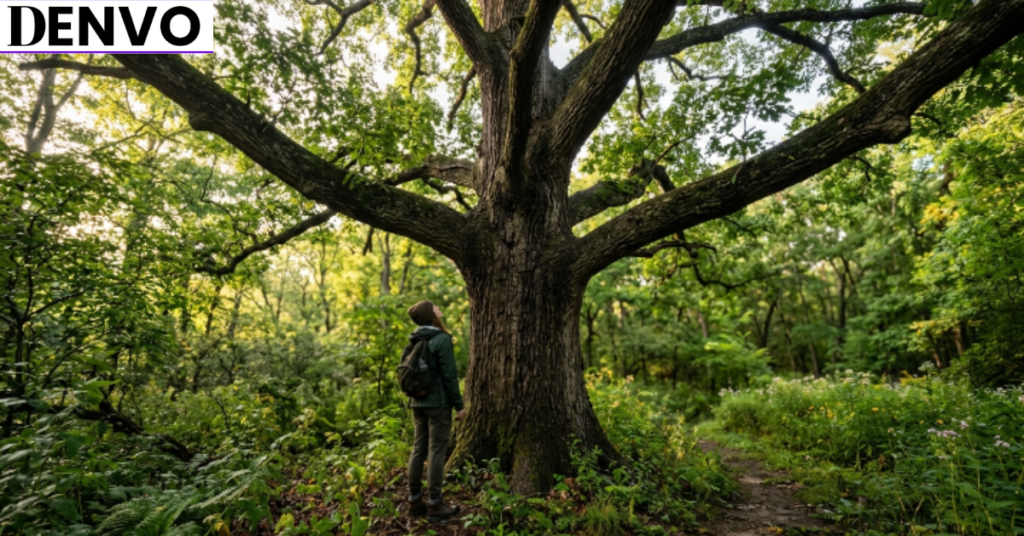
Champion trees are the largest known specimens of their species within a defined region, often determined by a combination of height, trunk circumference, and crown spread. In Ohio, these trees are cataloged as part of a broader effort to document and preserve exceptional natural assets.
The concept of champion trees originates from forestry programs that aim to track and celebrate the biggest trees across states. These programs help promote conservation awareness while encouraging people to appreciate the diversity of native and non-native species.
How Trees Earn Champion Status
To qualify as a champion tree in Ohio, a tree must undergo a formal measurement process. This typically includes calculating a point system based on trunk circumference, height, and average crown spread. The tree with the highest score in its species category is designated as the champion.
In Lewis Center, Ohio, several trees have gained recognition due to their impressive dimensions and historical value. These trees are often located in parks, private lands, or protected natural areas.
The Significance of Ohio Champion Trees Lewis Center Ohio
Environmental Importance
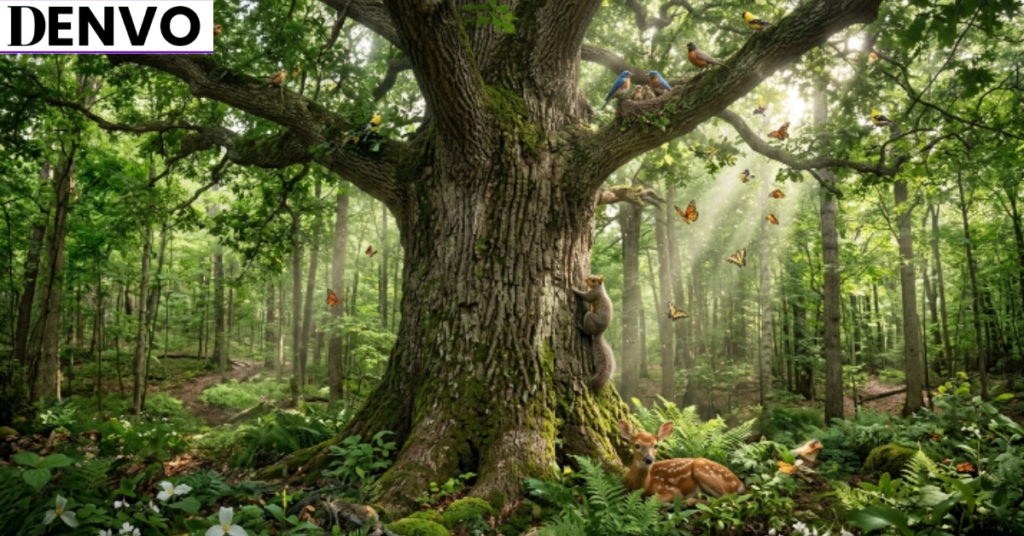
Champion trees play a critical role in maintaining ecological balance. They provide habitats for birds, insects, and small mammals while contributing to air purification and carbon sequestration. Large trees, especially mature ones, absorb significant amounts of carbon dioxide, helping mitigate climate change.
In Lewis Center, these trees contribute to local biodiversity by supporting a wide range of flora and fauna. Their presence enhances soil stability, regulates temperature, and improves overall environmental quality.
Historical and Cultural Value
Many champion trees in Ohio have stood for decades, if not centuries. Some have witnessed significant historical events or are associated with local heritage. In Lewis Center, certain trees are tied to early settlement patterns, agricultural history, and community development.
These trees often become landmarks, serving as points of pride for residents. They tell stories that go beyond their physical presence, connecting generations through shared natural heritage.
Educational Opportunities
Champion trees provide excellent opportunities for education. Schools, universities, and environmental organizations use these trees as living classrooms. Students can learn about botany, ecology, conservation, and climate science through direct observation.
Lewis Center’s champion trees are particularly valuable for educational programs because they are accessible and represent diverse species.
Popular Species Among Champion Trees in Lewis Center
Native Tree Species
Many champion trees in Lewis Center belong to native Ohio species. These include oak, maple, sycamore, and hickory trees. Native species are especially important because they support local ecosystems and wildlife.
For example, oak trees are known for their longevity and ecological significance. They provide food and shelter for numerous species, making them vital components of forest ecosystems.
Rare and Unique Trees
Some champion trees stand out due to their rarity. These may include less common species that have adapted well to the local climate. Their uniqueness adds to the diversity of Lewis Center’s natural landscape.
Rare trees often attract researchers and enthusiasts who are interested in studying unusual growth patterns or genetic traits.
Where to Find Ohio Champion Trees Lewis Center Ohio
Public Parks and Nature Reserves
Many champion trees are located in public parks and nature reserves. These areas provide easy access for visitors while ensuring that the trees are protected.
Parks in and around Lewis Center often feature walking trails that lead to notable trees. Informational signs may provide details about the species, age, and significance of each tree.
Private Properties
Some champion trees are located on private land. While these trees are not always accessible to the public, they are still documented and protected through state programs.
Landowners who have champion trees on their property often take pride in maintaining them and may collaborate with conservation organizations.
Conservation Efforts and Protection
Why Protection Matters
Champion trees face various threats, including urban development, disease, pests, and climate change. Protecting these trees is essential for preserving biodiversity and maintaining ecological balance.
In Lewis Center, conservation efforts focus on monitoring tree health, preventing damage, and raising public awareness about the importance of these natural assets.
Community Involvement
Local communities play a crucial role in protecting champion trees. Residents can contribute by reporting potential threats, participating in conservation programs, and supporting environmental initiatives.
Educational campaigns and volunteer programs help engage the community and foster a sense of responsibility toward preserving these trees.
Measuring and Documenting Champion Trees
The Measurement Process
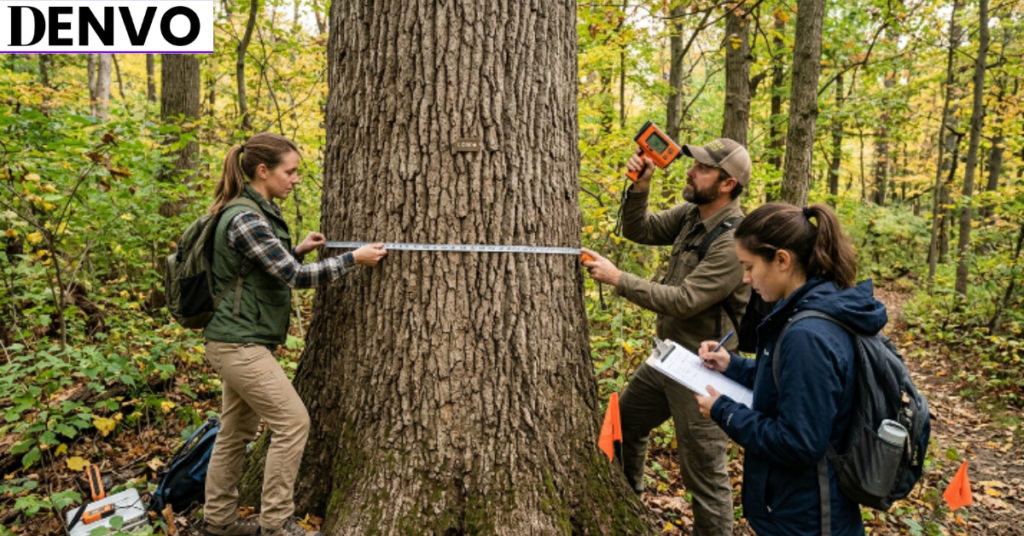
Measuring a champion tree involves precise calculations. Foresters use standardized methods to ensure accuracy and consistency. The process includes measuring the circumference at a specific height, determining the total height, and estimating the crown spread.
These measurements are then combined into a point system that determines the tree’s ranking.
Documentation and Records
Once a tree is measured and verified, it is added to official records. These records are updated regularly to reflect changes in tree growth or the discovery of new champion trees.
In Ohio, databases track champion trees across the state, including those in Lewis Center. This information is valuable for researchers, conservationists, and the general public.
Benefits of Visiting Champion Trees in Lewis Center
Connecting with Nature
Visiting champion trees offers a unique way to connect with nature. Standing next to a massive tree can be a humbling experience, reminding visitors of the power and resilience of the natural world.
Lewis Center provides a peaceful setting for such experiences, with its blend of suburban charm and natural beauty.
Photography and Recreation
Champion trees are popular subjects for photography. Their size, structure, and surroundings create stunning visuals that attract photographers and nature enthusiasts.
Visitors can also enjoy recreational activities such as hiking, birdwatching, and picnicking while exploring these natural landmarks.
Challenges Facing Champion Trees
Urban Development
As Lewis Center continues to grow, urban development poses a significant challenge to preserving champion trees. Construction projects can damage root systems or reduce the space available for trees to thrive.
Balancing development with conservation is essential to ensure that these trees are not lost.
Climate Change
Climate change affects tree health by altering temperature patterns, rainfall, and the prevalence of pests and diseases. Champion trees, despite their size, are not immune to these challenges.
Efforts to combat climate change and promote sustainable practices are critical for protecting these trees.
How You Can Help Preserve Champion Trees
Responsible Behavior
Visitors should respect guidelines when exploring areas with champion trees. Avoid damaging roots, carving into bark, or disturbing wildlife. Simple actions can make a significant difference in preserving tree health.
Supporting Conservation Programs
Supporting local conservation programs through donations, volunteering, or advocacy helps ensure that champion trees receive the protection they need.
Community involvement is a key factor in successful conservation efforts.
The Future of Ohio Champion Trees Lewis Center Ohio
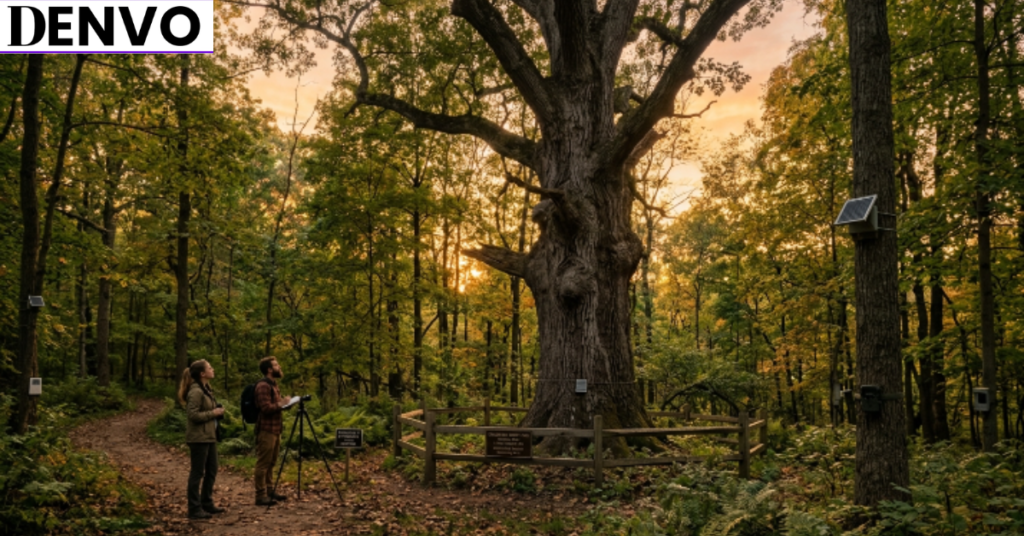
The future of ohio champion trees lewis center ohio depends on continued awareness, research, and conservation efforts. As interest in environmental preservation grows, more people are recognizing the importance of protecting these natural treasures.
Advancements in technology, such as tree monitoring systems and data analysis, are helping scientists better understand tree health and growth patterns. These tools contribute to more effective conservation strategies.
Lewis Center has the potential to become a model for other communities by demonstrating how urban development and environmental preservation can coexist.
FAQs
What makes a tree a champion tree in Ohio?
A champion tree is the largest known specimen of its species in a region, determined by measurements of height, trunk circumference, and crown spread.
Are champion trees in Lewis Center open to the public?
Some are located in public parks and are accessible, while others may be on private property and not open for visits.
Why are champion trees important?
They support biodiversity, provide environmental benefits, and hold historical and cultural significance.
How can I find champion trees in Lewis Center Ohio?
You can explore local parks, consult state tree registries, or connect with conservation organizations for information.
How can I help protect champion trees?
Practice responsible behavior when visiting, support conservation programs, and raise awareness about their importance.
Conclusion
The journey through ohio champion trees lewis center ohio reveals a fascinating world of natural giants that embody history, ecology, and community pride. These trees are more than just records of size—they are living symbols of resilience and environmental importance.
By understanding their significance, visiting them responsibly, and supporting conservation efforts, individuals can play a role in preserving these remarkable trees for future generations. Lewis Center’s champion trees remind us of the beauty and power of nature, encouraging us to protect what truly matters.