
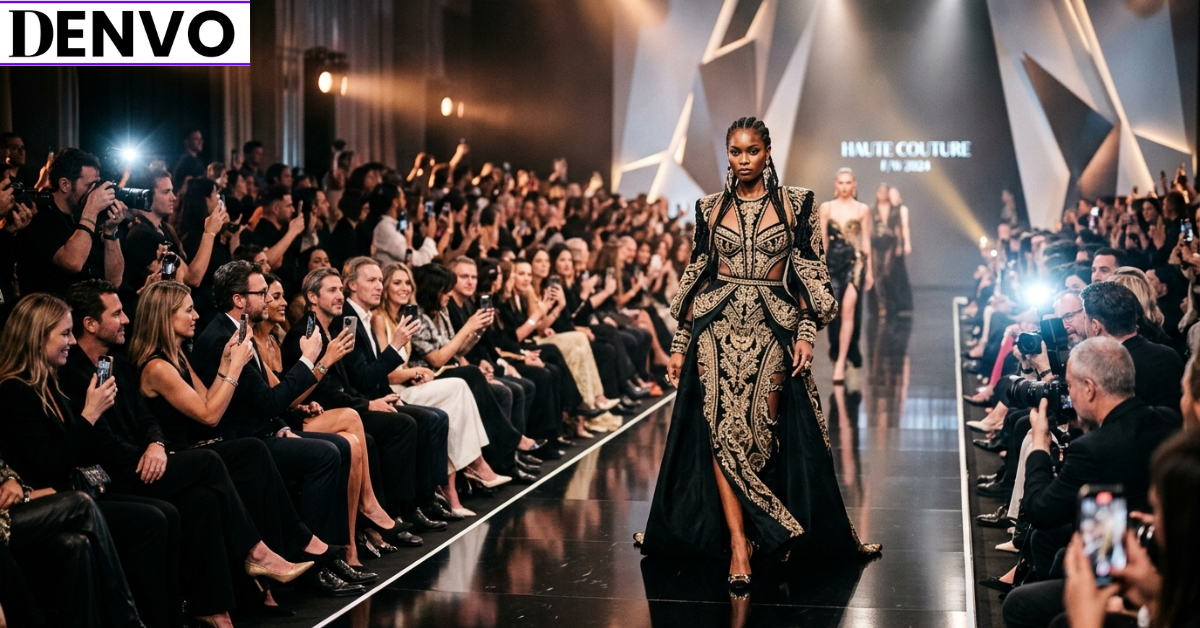
Fashion week is more than a series of runway shows—it is the heartbeat of the global fashion industry. From showcasing groundbreaking designs to setting the tone for upcoming trends, fashion week has evolved into a cultural phenomenon that influences everything from high-end couture to everyday street style. Whether held in iconic cities like Paris Fashion Week, New York Fashion Week, Milan Fashion Week, or London Fashion Week, each fashion week plays a pivotal role in shaping the future of style.
In this comprehensive guide, we will explore the history, significance, trends, and influence of fashion week while providing expert insights into why it remains one of the most powerful forces in the fashion world.
What Is Fashion Week and Why It Matters
Fashion week refers to a series of industry events where designers present their latest collections to buyers, media, influencers, and fashion enthusiasts. These events typically occur twice a year, showcasing spring/summer and fall/winter collections.
The importance of fashion week extends far beyond clothing. It serves as a platform for creativity, innovation, and storytelling. Designers use fashion week to communicate ideas, cultural narratives, and artistic visions through fabric, color, and form.
Fashion week also acts as a commercial engine. Retail buyers attend shows to decide what will appear in stores months later, while media coverage ensures global visibility. This unique combination of art and commerce makes fashion week a cornerstone of the industry.
The History and Evolution of Fashion Week
The concept of fashion week dates back to the early twentieth century when designers began presenting collections to private audiences. The first official fashion week is often credited to New York in 1943, created to highlight American designers during a time when travel to Paris was restricted.
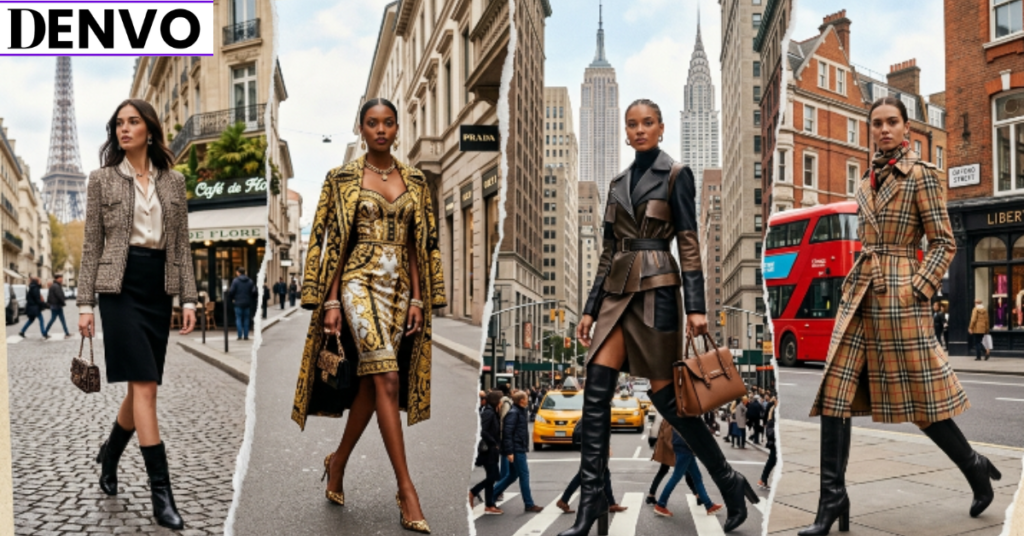
Over time, fashion week evolved into a global circuit. Paris remained synonymous with haute couture, Milan became known for luxury craftsmanship, London emerged as a hub for creativity, and New York focused on commercial appeal.
In recent decades, fashion week has expanded beyond these “Big Four” cities. Events now take place worldwide, reflecting the growing diversity and globalization of fashion.
The Big Four Fashion Weeks
Paris Fashion Week
Paris Fashion Week represents the pinnacle of luxury and haute couture. Renowned for its elegance and artistry, Paris fashion week showcases legendary fashion houses and avant-garde designers. It is often considered the most prestigious event in the fashion calendar.
Milan Fashion Week
Milan Fashion Week is synonymous with craftsmanship and sophistication. Italian designers are known for their attention to detail, luxurious fabrics, and timeless designs.
New York Fashion Week
New York Fashion Week focuses on practicality and innovation. It often sets the tone for wearable trends and commercial success.
London Fashion Week
London Fashion Week stands out for its experimental approach. It is a platform for emerging designers who push boundaries and challenge conventions.
How Fashion Week Shapes Global Trends
Fashion week plays a crucial role in determining what people wear in the months ahead. Trends unveiled on the runway eventually influence retail collections, fast fashion, and even streetwear.
Designers introduce new silhouettes, color palettes, and materials during fashion week. These elements are quickly picked up by brands, stylists, and influencers. Within weeks, trends begin appearing in magazines, social media, and stores.
For example, oversized tailoring, sustainable fabrics, and gender-neutral clothing have all gained momentum through fashion week presentations.
The Role of Designers and Creative Vision
Designers are the driving force behind fashion week. Each collection reflects their unique perspective, inspiration, and craftsmanship.
From storytelling through garments to experimenting with unconventional materials, designers use fashion week as a platform to express their creativity. Many collections are inspired by art, history, politics, or personal experiences.
The pressure to innovate is immense, as designers must balance artistic expression with commercial viability. This delicate balance is what makes fashion week both exciting and influential.
Behind the Scenes of Fashion Week
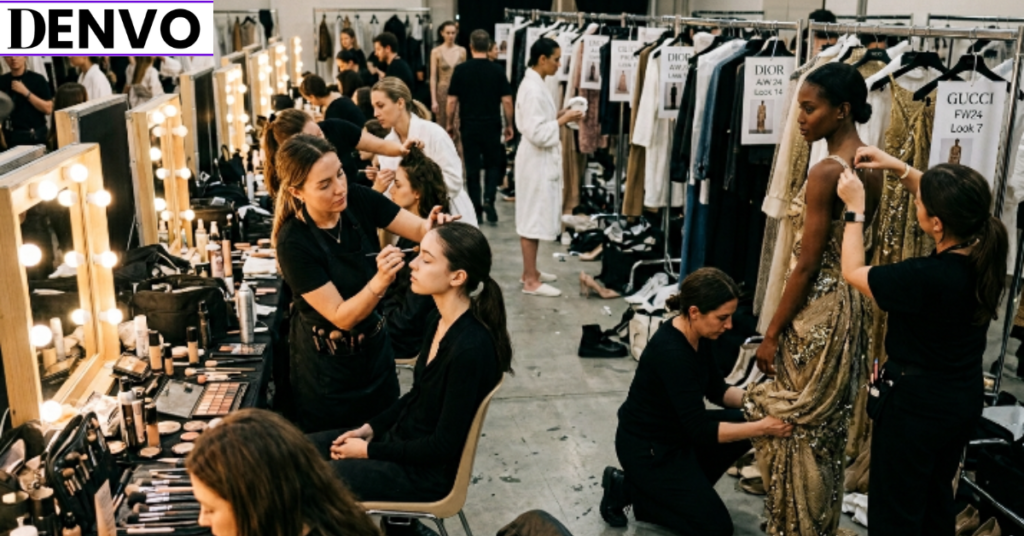
While the runway show is the highlight, fashion week involves months of preparation. Designers, stylists, makeup artists, and production teams work tirelessly to bring each show to life.
Backstage is a fast-paced environment where models are styled, garments are adjusted, and final touches are made. Every detail matters, from lighting and music to choreography and set design.
This intricate process demonstrates the level of expertise and coordination required to execute a successful fashion week show.
The Influence of Media and Digital Platforms
In the digital age, fashion week has become more accessible than ever. Social media platforms, live streams, and online publications allow audiences worldwide to experience shows in real time.
Influencers and content creators play a significant role in amplifying fashion week coverage. Their posts, reviews, and behind-the-scenes content reach millions of followers, shaping public perception and trends.
Digital transformation has also democratized fashion week, making it less exclusive and more inclusive.
Sustainability and Ethical Fashion in Fashion Week
Sustainability has become a major focus in recent fashion week events. Designers are increasingly adopting eco-friendly practices, such as using recycled materials, reducing waste, and promoting ethical production.
Fashion week now serves as a platform to raise awareness about environmental issues. Many brands are rethinking their approach to design and production to align with sustainable values.
This shift reflects a broader change in consumer behavior, as more people seek transparency and responsibility in fashion.
Diversity and Inclusivity on the Runway
Fashion week has made significant progress in promoting diversity and inclusivity. Runways now feature models of different ethnicities, body types, and genders.
This transformation reflects the industry’s growing recognition of representation and authenticity. Inclusive casting not only resonates with audiences but also challenges traditional beauty standards.
Fashion week continues to evolve as a platform that celebrates individuality and cultural diversity.
The Business Side of Fashion Week
Beyond creativity, fashion week is a powerful business tool. Brands use it to generate publicity, attract investors, and build relationships with buyers and retailers.
The economic impact of fashion week is substantial. It drives tourism, supports local businesses, and creates job opportunities within the fashion ecosystem.
For emerging designers, fashion week can be a career-defining moment. A successful show can lead to global recognition and commercial success.
Street Style and Cultural Influence
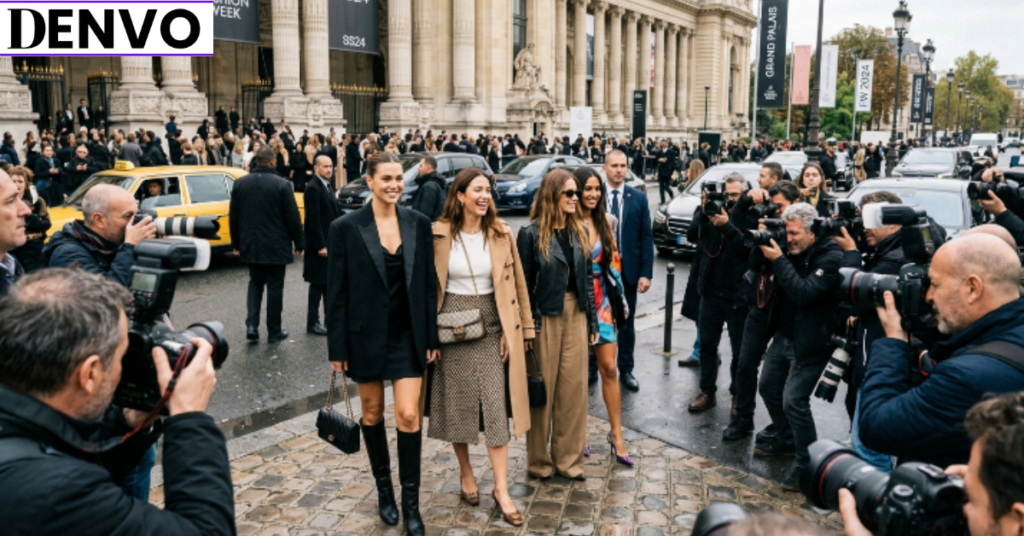
Fashion week is not limited to the runway. Street style has become an integral part of the experience.
Attendees, influencers, and celebrities showcase their personal style outside venues, creating a dynamic and diverse fashion landscape. Street style often influences trends just as much as runway collections.
Photographers capture these moments, turning fashion week into a visual celebration of creativity and self-expression.
How to Attend Fashion Week
Attending fashion week is a dream for many fashion enthusiasts. While most shows are invite-only, there are opportunities to experience the event through public shows, digital access, and industry connections.
Building a presence in the fashion industry, networking, and collaborating with brands can increase the chances of attending fashion week events.
For those unable to attend in person, online streaming and social media provide an immersive alternative.
Future of Fashion Week
The future of fashion week is shaped by innovation, technology, and changing consumer expectations.
Virtual shows, augmented reality experiences, and digital fashion are redefining how collections are presented. Hybrid formats combining physical and digital elements are becoming increasingly popular.
Sustainability, inclusivity, and technological integration will continue to influence the evolution of fashion week in the coming years.
FAQs
What is fashion week?
Fashion week is a series of events where designers present their latest collections to industry professionals and the public.
How many fashion weeks are there?
There are multiple fashion weeks worldwide, with the most prominent being Paris, Milan, New York, and London.
Why is fashion week important?
Fashion week sets trends, drives business, and showcases creativity within the fashion industry.
Can the public attend fashion week?
Most shows are invite-only, but some events and digital platforms allow public access.
How does fashion week influence everyday fashion?
Trends introduced during fashion week eventually reach retail stores and influence what people wear globally.
Conclusion
Fashion week remains a powerful force in the global fashion industry. It is a platform where creativity meets commerce, where trends are born, and where culture is expressed through design.
From the glamour of Paris Fashion Week to the innovation of New York Fashion Week, fashion week continues to shape the way we perceive and engage with fashion.
As the industry evolves, fashion week will adapt to new challenges and opportunities, ensuring its relevance in an ever-changing world.