

I once watched a woman burst into tears in a salon chair because her “quick trim” turned into a full bob. Six weeks later, she was booking the exact same cut on purpose.
Quick answer
A bob cut for women is a short-to-medium hairstyle that typically falls between the chin and shoulders, prized for its versatility, low maintenance, and ability to flatter almost any face shape. The right variation depends on your hair texture, face shape, and how much daily styling you’re willing to do.
So here’s the thing about the bob cut women have been obsessing over for the last few years: it’s not one haircut. It’s a whole family of them. Blunt bobs, lobs, asymmetrical bobs, stacked bobs — the list keeps growing, and honestly, that’s what makes this style so hard to pin down when you’re trying to describe what you want to your stylist. I’ve gone through four different bob variations over the past three years, and I’ve made almost every mistake you can make with this cut. This guide is everything I wish someone had told me before my first chop.
A Bob Cut Isn’t Just “Short Hair” — It’s a Category
People lump every short style into one bucket, and that’s where confusion starts. A bob specifically refers to hair cut in a uniform line around the head, usually landing somewhere between your jaw and your collarbone. Within that definition, though, you’ve got serious range.
Some common types include:
- Classic blunt bob — one length, sharp ends, no layers
- Lob (long bob) — hits around the collarbone, softer and easier to grow out
- Stacked bob — shorter in the back, longer in the front, lots of volume at the crown
- Asymmetrical bob — one side longer than the other, a bit edgier
- Textured bob — layered ends for movement, great for thick or wavy hair
When I asked my stylist for “a bob” the first time, she had to ask me four follow-up questions before we landed on the right one. Don’t skip that conversation.
Face Shape Actually Matters More Than Trend Photos
This is the part nobody wants to hear, but it’s true: the bob that looked incredible on your favorite celebrity might do absolutely nothing for you. Face shape changes everything.
If you’ve got a round face, a blunt bob that hits right at the chin can actually widen things further. A slightly angled bob — longer in front, shorter in back — creates a slimming line instead. For square or angular faces, softer layers around the jaw help break up sharp edges. Oval faces, meanwhile, can pretty much wear any bob variation without issue, which is a little annoying if you don’t have one.
I have a heart-shaped face, and for years I avoided bobs entirely because I assumed they’d make my forehead look bigger. Turns out a side-swept fringe paired with a lob solved that problem completely. Sometimes the “rule” you’ve heard about your face shape just needs one small adjustment, not a total avoidance of the style.
Your Hair Texture Will Make or Break the Cut
Here’s a surprising insight most articles skip: fine hair often looks better in a blunt bob than a layered one. Layers on fine hair can create gaps and make it look thinner, not fuller. A one-length blunt cut, on the other hand, creates the illusion of density because all the ends line up at the same weight.
Thick or curly hair is the opposite story. Without some layering or texturizing, a bob on thick hair can turn into a triangle shape — heavy at the bottom, ballooning out instead of skimming the jaw. My sister has naturally curly hair and got a completely blunt bob because she saw it on Pinterest. It looked more like a helmet than a haircut within two days of humidity. She went back for texturizing layers and it transformed the whole thing.
If you’re unsure what your texture needs, ask your stylist directly: “Will this cut hold its shape with my natural texture, or will I need heat styling every day?” That one question saves a lot of regret.
The Maintenance Truth Nobody Mentions in Salon Consultations
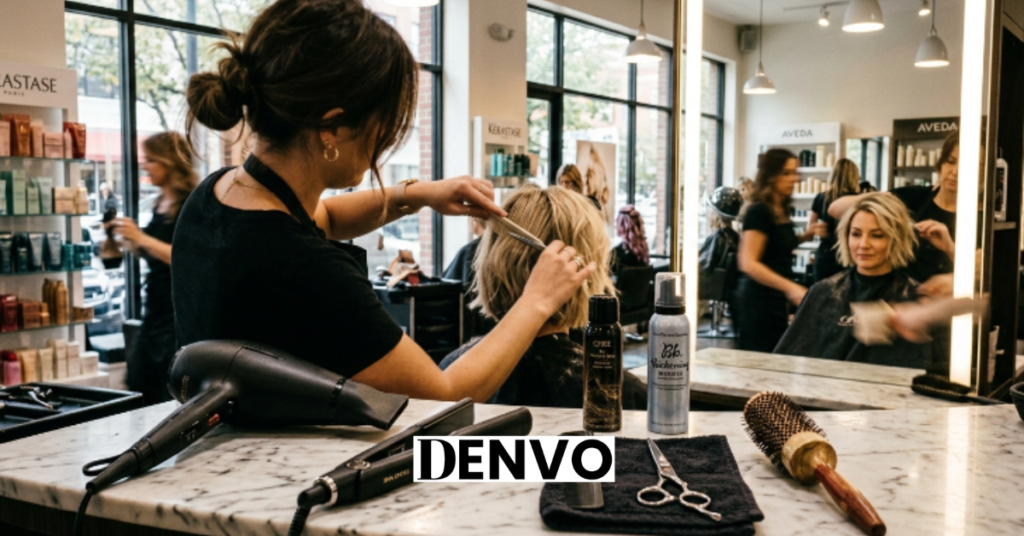
A bob cut for women is often marketed as “low maintenance,” and compared to long hair, sure, it kind of is. But compared to a pixie or a shoulder-length cut with no defined shape? It actually needs more upkeep than people expect.
Blunt bobs especially require trims every 6 to 8 weeks to keep that crisp line looking intentional rather than grown-out and stringy. Stacked and asymmetrical bobs can stretch a little longer, maybe 8 to 10 weeks, because the shape has more built-in forgiveness. I learned this the hard way when I let my blunt bob go 12 weeks between trims and ended up with what my stylist gently called “a mullet situation” in the back.
Styling time matters too. A textured, tousled bob can be air-dried in about 10 minutes with the right product. A sleek, glossy blunt bob usually needs a blow-dry and flat iron, which realistically takes 20 to 30 minutes most mornings. Be honest with yourself about how much time you actually want to spend before you commit.
How to Actually Talk to Your Stylist So You Get What You Want
This is where most bob disasters happen — not in the cutting, but in the conversation before it. Bring photos, but bring more than one, and point out specifically what you like about each: the length, the layering, the fringe, the texture.
Try these steps before your appointment:
- Save 3-4 photos of bobs you like and note one specific thing you love about each
- Ask your stylist how the cut will behave with your specific texture and cowlicks
- Request they show you the length with wet hair AND estimate the dry, shrunk-up length
- Discuss maintenance — how often you’ll need trims and how much daily styling it requires
- Start slightly longer if you’re nervous; you can always go shorter next time, but you can’t add hair back
I made the mistake once of showing my stylist a single photo and saying “like this.” She interpreted “like this” completely differently than I meant, and I ended up two inches shorter than I wanted. Specificity is everything.
Styling Your Bob for Different Occasions
A bob doesn’t have to look the same every single day, which is honestly one of its best features. For work, a smooth, side-parted look with a light shine serum reads polished in under five minutes. For weekends, tousled waves with a texturizing spray give it a completely different, more relaxed vibe.
Curling wand techniques matter here too. Curling away from your face opens things up and looks more elegant, while curling toward your face creates a softer, more romantic look. Even a simple middle part versus a deep side part can shift how the whole cut reads.
FAQs
Is a bob cut good for women with thin hair?
Yes, and it’s actually one of the best options for thin hair. The blunt, one-length shape creates the appearance of fullness because the ends all sit at the same weight, which fine hair benefits from more than long layers do.
How long does it take to grow out a bob?
Most women need about 6 to 12 months to grow a bob into shoulder-length hair, depending on how fast your hair grows and how patient you are with the awkward in-between stages.
Does a bob cut work for curly hair?
Absolutely, though curly hair usually needs some layering or texturizing to avoid a triangular shape. Ask your stylist for a curl-specific cutting technique like dry cutting to see how the curls actually fall.
What’s the difference between a bob and a lob?
A lob, or long bob, is essentially a longer version that falls around the collarbone instead of the chin. Both fall under the general bob cut women category, but a lob tends to be easier to style and grow out.
Will a bob cut suit an older woman?
Bobs genuinely suit women of any age, and many stylists recommend them specifically for how they frame the face and can look more youthful than longer, flatter hair. A softer, layered bob often works especially well as hair texture changes over time.
Conclusion
A bob cut isn’t a single decision, it’s a handful of smaller ones about length, texture, and how much time you want to spend styling it each morning. Get those details right, and it’s one of the most flattering, versatile cuts you can choose at almost any age. Get them wrong, and you’ll be the person googling “how to make my bob grow faster” by week two.
Have you tried a bob before, or are you thinking about taking the leap? Drop your questions in the comments — I read every single one, and I’d love to help you figure out which version is right for you.