

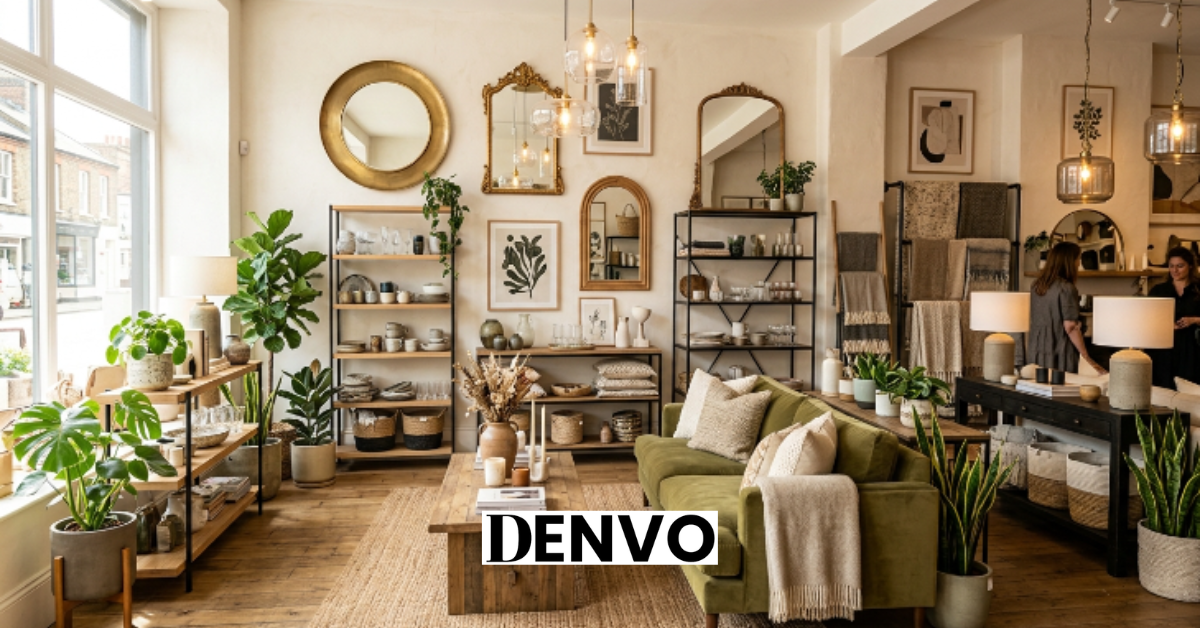
My living room looked like a furniture catalog threw up in it. Every piece matched, everything was beige, and I hated it.
Quick answer
Searching “home decor near me” works best when you combine Google Maps results with local Facebook groups, estate sales, and independent boutiques — not just chain stores. This mix gets you unique pieces at better prices, and it supports your local economy while you’re at it. Skip the big-box aisle for at least one room in your house.
I spent almost three years buying decor the “easy” way — clicking through the same three websites, ordering whatever showed up first, and decorating my apartment to look exactly like everyone else’s Pinterest board. Then I moved to a new city and had to start from scratch. That’s when I actually started searching “home decor near me” instead of just defaulting to online carts, and it changed how I think about my whole home. This post is everything I wish I’d known before I wasted money on decor that looked good in a photo and terrible in my actual living room.
Why Searching “Home Decor Near Me” Beats Just Shopping Online
Typing “home decor near me” into Google pulls up something online shopping can’t: texture, scale, and lighting you can actually see in person. A throw pillow that looks mustard yellow on your screen might show up looking closer to baby-poop brown once it’s in your hands. I learned this the hard way with a rug that photographed as “warm terracotta” and arrived looking like a traffic cone.
Local shops also let you touch fabric, test how a lamp actually lights a room, and ask a real person questions. That sales associate at the boutique three blocks from my apartment told me my “perfect” accent chair would look tiny once it was against my 9-foot wall. She was right. Online, nobody stops you from making that mistake.
There’s also a timing advantage. Local stores often have inventory sitting on shelves that they need to move, which means:
- End-of-season clearance racks with 40-60% off
- One-off pieces that never made it to their website
- Floor models sold at a discount just to clear space
None of that shows up in a search engine unless you actually walk in.
The Contrarian Truth: Chain Stores Aren’t Always Cheaper
Everyone assumes big chains beat local shops on price. That’s not always true, and I’ve got the receipts to prove it.
Last spring I compared a ceramic table lamp at a national chain against a nearly identical one from a local pottery studio 12 minutes from my house. The chain lamp: $89, mass-produced, made overseas. The local one: $76, handmade, one of maybe 30 in existence. I didn’t just save $13 — I got something nobody else on my street has.
Local makers often price lower than you’d expect because they’re skipping the middleman markup that chains build into every single item. You’re paying for the object, not the shipping, warehousing, and marketing budget stacked on top of it.
How to Actually Find Good Local Decor Shops (Not Just the First Google Result)

Google Maps is a starting point, not the whole strategy. If you stop there, you’ll only see the businesses with the biggest ad budgets, not necessarily the best ones.
Try these instead, or alongside it:
- Facebook Marketplace and local buy/sell groups — search “furniture” or “decor” plus your neighborhood name
- Estate sales apps like EstateSales.net, which list sales happening within a 10-15 mile radius
- Instagram location tags — search your city’s name plus “home decor” to find small studios that don’t rank on Google at all
- Local maker markets — most cities run at least one monthly market where furniture makers and decor artists sell directly
I found my favorite mirror — a genuinely gorgeous sunburst piece — through an Instagram tag, not a search engine. The seller didn’t even have a website. Just a phone number and a garage full of inventory.
What to Look for When You Walk Into a Local Decor Shop
Don’t just browse — actually test things. Sit in the chairs. Open the drawers. Check if a lamp’s cord is long enough to reach an outlet.
A few things I always check now, after learning the hard way:
- Weight and material — pick it up. Cheap ceramic feels hollow and light; good ceramic has heft.
- Stitching on upholstered pieces — loose threads now mean a torn seam in six months.
- Return policy — small shops often have stricter “final sale” rules than big retailers, so ask before you buy.
I once bought a “vintage” side table that turned out to have a wobble I didn’t notice in the store’s dim lighting. Lesson learned: bring your phone flashlight and actually inspect the joints.
Practical Action Steps: Finding Your Next Piece This Weekend
Start small instead of trying to redecorate your entire house in one trip. Pick one room, one problem area, and go from there.
- Search “home decor near me” on both Google and Instagram, comparing what shows up on each
- Make a list of three shops within a 20-minute drive and visit all three in one afternoon
- Bring a photo of the room you’re decorating and the actual paint color swatch, not just a memory of it
- Set a firm budget before you walk in — boutiques are good at making you want things you didn’t plan to buy
- Ask every shop owner if they have a “back room” or storage inventory not on the floor
Small Decor Changes That Make the Biggest Difference
You don’t need to replace furniture to transform a room. Sometimes it’s the small stuff.
Swapping out cabinet hardware, for instance, costs under $30 for most kitchens and takes an afternoon. I did this in my rental and my landlord thought I’d remodeled the whole kitchen. New throw pillow covers, a different lampshade, or even rearranging what you already own can shift a room’s whole feel without spending much at all.
FAQs
Is it cheaper to buy home decor near me or online?
It depends on the item. Small, handmade pieces are often cheaper locally since you’re skipping shipping and platform fees, but mass-produced items sometimes hit lower prices online due to bulk manufacturing. Compare both before assuming one is automatically cheaper.
How do I find home decor near me that isn’t just the big chain stores?
Skip straight-up Google searches and check Instagram location tags, Facebook groups, and local maker markets instead. These sources surface small studios and independent sellers that don’t have big enough ad budgets to show up first in search results.
What’s the best time of year to shop local decor stores?
End of season — so January and July especially — tends to bring the deepest discounts as shops clear inventory for new stock. Many local shops also run flash sales around slower shopping months like February.
Should I always negotiate prices at local decor shops?
At boutiques with fixed pricing, negotiating isn’t usually expected, but at estate sales, markets, and independent studios, it’s almost always welcome. Just ask politely — most sellers would rather move the piece than have it sit.
Can I return items bought from local home decor shops?
Return policies vary a lot more at small businesses than at chains, and some operate on a strict final-sale basis. Always ask before purchasing, especially for larger furniture pieces you can’t easily transport back.
Conclusion
Your home doesn’t need to look like everyone else’s feed. The stuff that actually makes a house feel like yours usually comes from the shops nobody’s talking about — the ones down the street, not the ones with the biggest ad budget. Give local decor hunting one real weekend before you default back to the same three websites you always use.
Have you found a hidden gem decor shop near you? Drop it in the comments — I’m always hunting for my next find.