
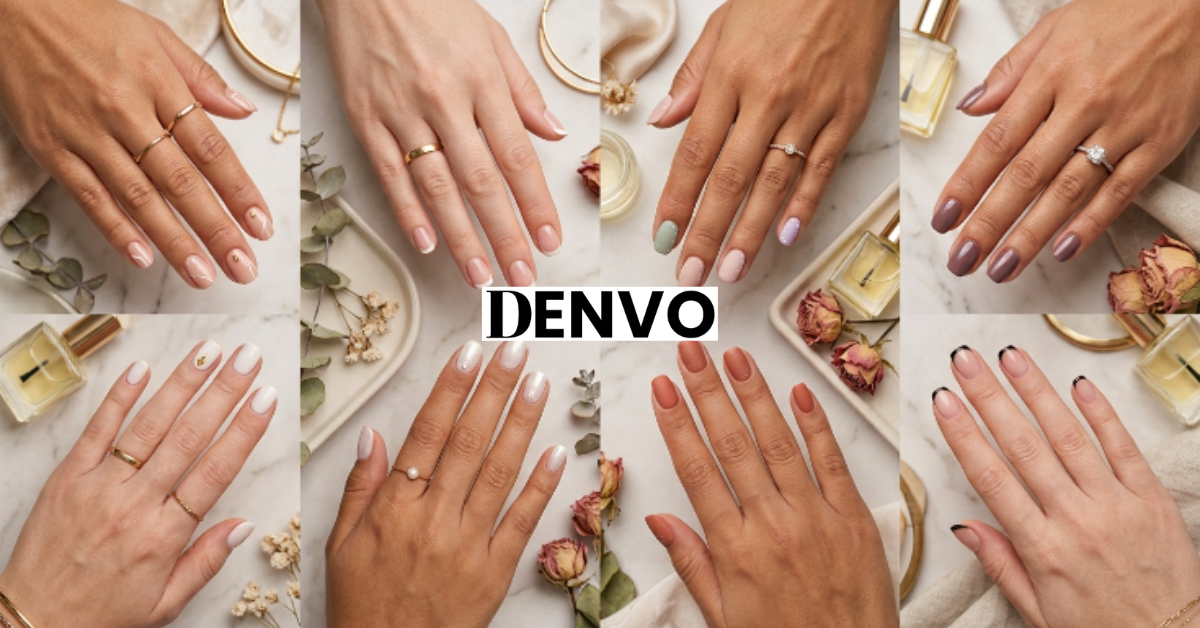
Short nails used to be the compromise. The thing you settled for when a long set broke, or when your job didn’t allow anything dramatic. That’s changed. Search interest in short nail designs has grown steadily as more people realize that shorter lengths actually show off nail art better, last longer without chipping at the tip, and work with almost any lifestyle — typing, cooking, gardening, gym sessions, all of it.
This guide walks through the shapes, colors, and design styles that make short nails look intentional rather than plain, plus the practical details competing articles usually skip: how to pick a shape for your finger type, which designs actually hold up on short nail beds, and how to keep the look fresh between salon visits.
Why Short Nails Are Having a Moment
Nail trends move in cycles, and the current one favors shorter, more manageable lengths over the extra-long sets that dominated for years. A few practical reasons explain the shift.
Short nails are easier to maintain day to day. There’s less risk of snagging on clothing, keyboards feel normal to type on, and everyday tasks like buttoning a shirt or handling small objects don’t require workarounds. For anyone with an active job, kids to care for, or a habit of using their hands for hobbies like cooking or playing an instrument, short nails simply function better.
They also photograph well. Nail art on a shorter, well-shaped nail reads cleanly in close-up shots because the design doesn’t stretch across an unnaturally long surface. Fine details like micro-French tips, small hand-painted motifs, and negative space work show up more clearly on a nail that’s proportionate to the finger.
There’s also a durability angle worth mentioning honestly: shorter nails generally chip and break less often than long extensions, simply because there’s less unsupported nail to catch on things. That’s not a guarantee — nail health, polish quality, and daily habits still matter — but it’s a reasonable expectation based on how nail length affects structural stress.
What Counts as a “Short” Nail?
There’s no single official measurement, but most nail techs and stylists use a practical range: short nails typically extend no more than 1–2 millimeters past the fingertip, or sit flush with it. Anything longer starts moving into “medium” territory.
Within “short,” there’s still room to vary the look:
- Very short / squared-off natural nails — barely any white tip visible, common for people who type a lot or work with their hands.
- Short with a slight extension — a small amount of free edge, enough to shape into an almond or coffin silhouette without adding real length.
- Short round or oval — nail is trimmed close but the shape is softened rather than cut straight across.
Knowing which category you’re in matters because it changes which shapes and designs will actually look proportionate.
Best Nail Shapes for Short Nails
Shape has more visual impact on short nails than on long ones, because there’s less surface area to work with. Getting the shape right does more for the overall look than any polish color choice.
Squoval
Squoval — a blend of square and oval — is one of the most forgiving shapes for short nails. The slightly rounded corners soften the look without losing the clean edge of a square shape, and it works on almost any nail bed width. It’s a common recommendation from nail technicians for clients who want short nails without them looking blunt.
Round
Round nails follow the natural curve of the fingertip, which makes them look longer than they are — useful if your nail beds are on the shorter or wider side. This shape also tends to be more durable day-to-day since there are no corners to catch or chip.
Almond (Shortened)
A shortened almond shape tapers slightly toward the tip without the dramatic point of a long almond manicure. It elongates the finger visually and works especially well with French tips or single-color glossy finishes.
Square
A true square shape, cut straight across with sharp corners, gives a modern, minimal look. It photographs well for solid colors and geometric nail art but requires a bit more upkeep, since corners are more prone to catching on fabric.
Coffin (Mini Version)
A scaled-down coffin — tapered sides with a flat tip — has become popular for people who like the shape’s structure but not the length usually associated with it. It needs slightly more nail length than round or squoval to read clearly, so it works best on natural nails that are just a touch past the fingertip.
Short Nail Inspo by Design Style
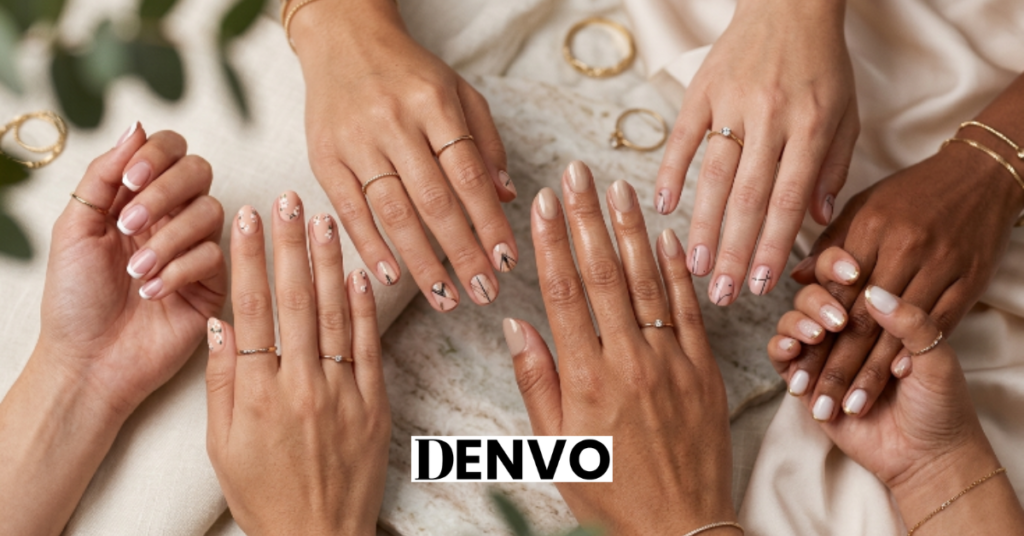
Design is where short nails get to show off. Because the canvas is small, cleaner and simpler designs generally read better than busy ones — but that doesn’t mean short nails are limited to plain color.
Minimalist Line Art
Thin, single-color lines — a diagonal stripe, a small swoop, or a fine crescent at the base — work well on short nails because they don’t compete with the limited surface area. This style has stayed popular precisely because it’s low-maintenance to apply and easy to touch up.
Classic and Micro French Tips
The French manicure has adapted for shorter lengths with a “micro-French” version: a noticeably thinner white or colored tip line than the traditional style. It suits short square or squoval nails particularly well and works with almost any outfit or occasion, which is part of why it remains one of the most searched nail styles overall.
Color-Block and Two-Tone
Splitting the nail into two colors — either down the middle or across a diagonal — adds visual interest without needing intricate brushwork. It’s a strong option for anyone who wants something more distinctive than a solid color but doesn’t want a design that requires a steady hand.
Negative Space
Leaving part of the natural nail bare, often near the cuticle or in a geometric cutout, creates contrast and makes the nail look longer than it is. This works especially well on short round or almond shapes.
Chrome and Metallic Finish
Chrome powders and metallic top coats catch light differently than regular polish, which draws attention to the nail’s shape rather than length. A full chrome set on short nails tends to look sleek and modern rather than flashy.
Glazed / Milky Finish
The “glazed donut” style — a sheer, pearlescent white or nude polish — became widely popular for its low-effort, high-shine look. It’s especially flattering on short nails because the sheer finish keeps attention on healthy, well-shaped nail beds rather than length.
Dotted and Geometric Accents
Small dots, thin geometric lines, or a single accent nail with a pattern let you add personality without overwhelming a small nail surface. This approach also tends to last longer visually since fine details show wear less obviously than large graphic designs.
Ombré
A soft gradient between two shades — often nude to white, or two tones of the same color family — works on short nails when kept subtle. Sharp, high-contrast ombré can look busy on a small nail, so blended, low-contrast versions tend to look more polished.
Short Nail Colors for Every Season
Color choice is personal, but seasonal palettes are a reliable starting point if you’re not sure what to pick next.
Spring: soft pastels — lilac, baby pink, mint, pale yellow — read fresh on short round or squoval shapes.
Summer: brighter, more saturated tones — coral, cobalt blue, citrus orange — plus glossy or juicy finishes that catch light well in warm weather.
Fall: deeper, warmer shades — terracotta, burgundy, olive, caramel — often paired with a matte or semi-matte top coat.
Winter: rich jewel tones — emerald, deep plum, navy — along with classic reds and metallics for a dressier look around the holidays.
Neutral shades — various nudes, soft taupe, and off-white — work year-round and are a safe choice if you want something versatile for work or travel.
Short Nail Ideas by Occasion
Everyday and Work-Appropriate
For most workplaces, a solid neutral, a micro-French tip, or a simple two-tone design in muted colors reads professional without looking boring. Glossy finishes tend to look more polished for office settings than heavy glitter or chrome.
Weddings (Guest or Bride)
Short nails for weddings often lean toward soft pinks, ivory, or subtle shimmer — enough to look dressed up in photos without drawing attention away from an outfit. A clean French manicure remains one of the most requested bridal nail looks specifically because it photographs consistently well.
Date Night or Going Out
This is where short nails can take more risks — a bold color, chrome finish, or an accent nail with rhinestones or a small design. Because the nail is short, even a more elaborate look tends to stay wearable the next day for work.
Vacation and Warm Weather
Bright, saturated colors and glossy jelly finishes tend to photograph well against tan skin and beach backdrops. Short nails are also more practical for travel since there’s less risk of snagging while packing, swimming, or handling luggage.
Choosing the Right Design for Your Nail Bed
Not every design suits every hand, and matching the design to your actual nail bed shape will always look better than copying a design exactly from a photo.
If your nail beds are wide, shapes like almond or a slightly tapered squoval will visually narrow the nail. If your nail beds are narrow, round or square shapes prevent the nail from looking pinched.
If your fingers are shorter, avoid designs with a lot of horizontal detail near the base (like thick French tips), since they can visually shorten the finger further. Vertical lines, subtle ombré, or negative space near the cuticle tend to elongate instead.
If you bite your nails or are growing them out after damage, round or squoval shapes with a glossy single color are usually the most forgiving starting point — they hide unevenness better than sharp square corners.
At-Home vs. Salon: What’s Realistic for Short Nails
Short nails are genuinely one of the more DIY-friendly lengths, but it’s worth being honest about what’s realistic without professional tools.
Good at-home options: solid color manicures, simple two-tone or color-block designs, basic dotting patterns using a bobby pin or dotting tool, and press-on nails cut to a short length (most press-on brands now include shorter sizes specifically for this reason).
Better left to a professional: chrome or mirror finishes (these require specific powders and technique to apply evenly), intricate hand-painted art, and gel-X or builder gel extensions shaped into a mini coffin or square, since shaping short extensions evenly takes practice.
If you’re new to at-home manicures, starting with a single bold color and a good top coat will look more polished than attempting a complex design and getting an uneven result.
Tools and Products That Make a Difference
A few basics consistently affect how long a short nail manicure looks good, regardless of the design:
- A glass or fine-grit nail file to keep the shape consistent as the nail grows out slightly between manicures.
- Cuticle oil, used regularly rather than only right before a manicure, keeps the surrounding skin looking neat, which matters more on short nails since the nail bed itself is more visible.
- A quality top coat protects color and, on glossy finishes, is often what makes the difference between a manicure that looks “salon fresh” for two weeks versus one that dulls within days.
- Base coat matters even more on short nails, since there’s more skin-to-polish contact around the edges; a good base coat helps prevent staining, especially with darker or red polishes.
Common Mistakes That Make Short Nails Look Unfinished
Skipping the shape step. Painting over an uneven or unfiled nail edge is one of the most common reasons a short manicure looks messy in photos, even with good polish application.
Choosing designs that need more surface area than the nail has. Large florals, detailed characters, or busy multi-color patterns tend to look cramped on very short nails. Simplifying the same design usually looks better than shrinking it as-is.
Ignoring cuticle care. Because short nails show more skin around the nail plate, ragged or dry cuticles are more noticeable than they’d be on a longer set.
Using too thick a polish layer. Thick coats take longer to dry and are more prone to chipping at the edges, which shows up faster on shorter nails since the whole nail is closer to where hands make contact with surfaces.
Keeping Short Nail Manicures Looking Fresh
Short nails still need routine care between manicures, even though they’re lower-maintenance overall. Reapplying a thin layer of top coat every few days extends shine and helps prevent chipping. Keeping cuticle oil on hand and using it daily — not just during a manicure — keeps the surrounding skin looking neat, which does more for the overall appearance of a short manicure than people expect.
If a chip does happen, a small touch-up with matching polish is usually less noticeable on short nails than it would be on a longer extension, since there’s less surface for the damage to stand out against.
FAQ
Do short nails look less professional than long nails?
Not inherently. Many workplaces, particularly in healthcare, food service, and hands-on trades, either encourage or require shorter nails for hygiene and safety reasons. A well-shaped, neatly polished short nail generally reads as more polished than a long nail with chipped or overgrown polish.
What nail shape makes short nails look longer?
Almond and oval shapes tend to create the most visual length because they taper toward the tip rather than cutting straight across. Negative space designs near the cuticle can add to this effect.
Can you get gel or acrylic on short nails?
Yes. Gel polish works on natural short nails without adding length, and some nail techs offer very short gel-X or builder gel overlays for extra strength without a noticeable length increase. It’s worth communicating your preferred length clearly, since “short” can mean different things to different technicians.
How often do short nails need to be redone?
This depends on the product used. Regular polish on short nails typically needs touch-ups within a week; gel manicures generally last two to three weeks before regrowth becomes noticeable; and any nail enhancement will need fill-ins based on how fast your natural nails grow.
Are short nails better for nail health?
Available evidence generally supports that shorter, natural nails experience less mechanical stress and breakage than long extensions, since there’s less unsupported length to catch or bend. That said, overall nail health also depends on factors like hydration, product use, and how nails are filed, so length alone isn’t the only factor.
What’s a good low-maintenance short nail design for beginners trying nail art at home?
A single-color glossy manicure with a simple accent, like one nail in a different shade or a small dot pattern, is a good starting point. It’s forgiving of small mistakes and doesn’t require detailed brush control.
Conclusion
Short nails aren’t a limitation — they’re a different canvas, one that tends to reward clean shaping, thoughtful color choices, and designs sized appropriately to the space available. Whether you’re drawn to a glossy neutral for the office, a micro-French for a wedding, or a bold chrome finish for a night out, the shape you choose will do more visual work than almost any other decision. Start there, keep the basics — filing, cuticle care, a good top coat — consistent, and the rest becomes a matter of picking whichever design from this list fits your week.