

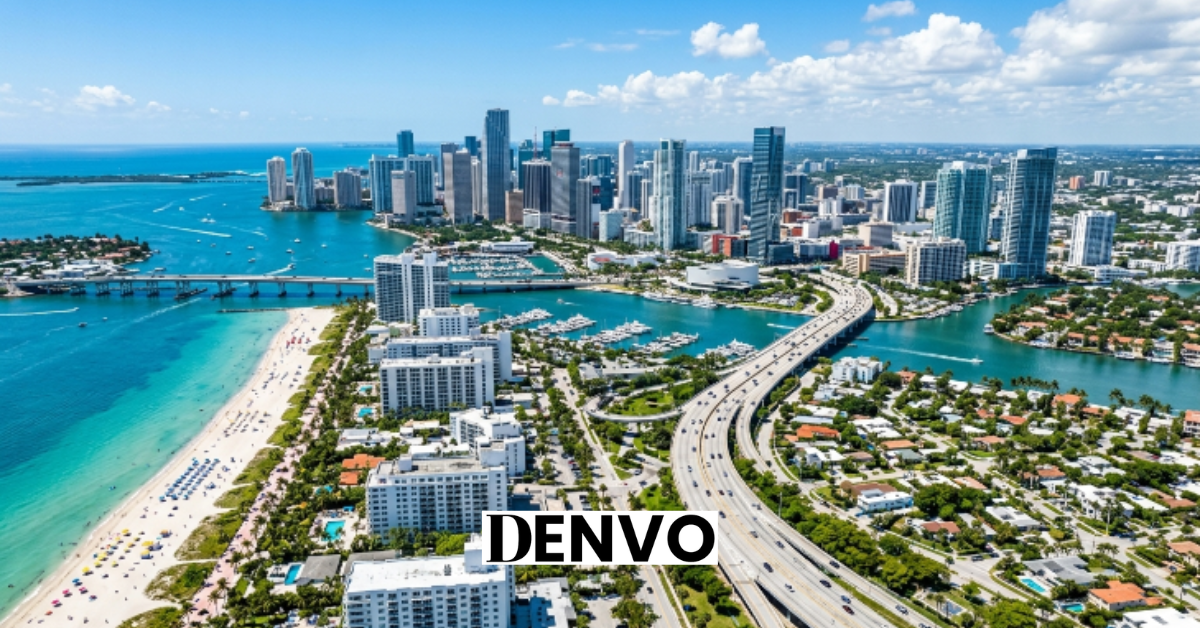
I moved to Florida in 2019 thinking it’d be quiet outside of Miami and Orlando. Six years later, my “sleepy” county has three new elementary schools and a Publix that didn’t exist when I got here.
Quick answer
As of 2025, roughly 23.5 million people live in Florida, making it the third most populous state in the U.S. behind California and Texas. The state adds close to 200,000 new residents a year, and unlike most states, that growth comes almost entirely from people moving in, not from births outnumbering deaths.
If you’ve Googled “how many people live in the FL” hoping for a simple number, you’re not alone. This question gets searched constantly, and honestly, the answer changes so fast that even state demographers have a hard time keeping up. I’ve lived through the population boom firsthand, watched my neighborhood transform, and dug through the actual state and Census data so you don’t have to. Here’s what the numbers really say — and why they matter more than you’d think.
Florida’s Population Sits at About 23.5 Million People
Florida crossed the 23.5 million mark in 2025, according to state and federal estimates. That’s not a rounding error or a guess — it comes from a mix of Census Bureau tracking and Florida’s own Demographic Estimating Conference, a group of state economists who meet twice a year specifically to nail down this number.
To put that in perspective, Florida now holds close to 7% of the entire U.S. population. Only California and Texas have more people. When I tell friends back in Ohio that Florida’s population is nearly five times the size of their entire state, they usually don’t believe me until I show them the math.
What’s wild is how recent most of this growth is. Florida’s population was about 44 times higher in the mid-2020s than it was back in 1900. Most of that explosion happened in the last 60 years, and a huge chunk of it happened in just the last decade.
The Growth Isn’t From Babies — It’s From Movers
Here’s the contrarian part most articles skip: Florida’s population growth has almost nothing to do with birth rates anymore. Every year since the state’s 2020-21 fiscal year, deaths have actually outnumbered births in Florida. Read that again — more people are dying in Florida each year than are being born.
So why does the population keep climbing? Migration. People are packing up and moving here from other states and countries, and that’s the entire engine behind Florida’s growth right now. State projections expect an average of roughly 297,000 net new residents every single year between 2026 and 2030 — that’s about 814 people showing up per day.
I saw this play out with my own neighbors. The couple next door retired from Michigan two years ago. The family across the street relocated from New Jersey for remote work flexibility and no state income tax. Neither of them had a baby move in with them — they just packed a moving truck and drove south, like hundreds of thousands of others do every year.
Florida Is Aging Faster Than the Rest of the Country
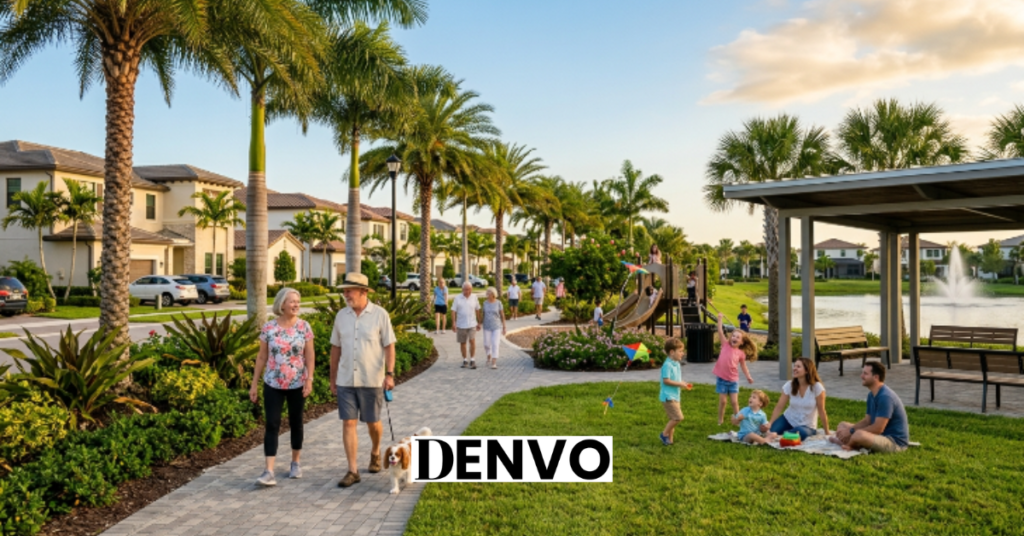
This one surprises people. About 5 million Florida residents — nearly 22% of the state’s population — are 65 or older, compared to 18% nationally. Florida has one of the oldest median ages of any U.S. state, and it’s not hard to guess why: warm winters, no state income tax, and decades of reputation as the retirement destination.
Meanwhile, only about 19% of Florida’s population is under 18, slightly below the national average of nearly 22%. That means Florida’s classrooms are proportionally a little less crowded than you’d expect for a state this size, while its retirement communities, golf courses, and assisted living facilities are booming.
I noticed this firsthand at my local grocery store. Ten a.m. on a Tuesday looks less like a workday errand run and more like a social event for retirees. It’s not a bad thing — it’s just a different Florida than the one you’d picture if you’re used to a younger state.
Where Everyone Is Actually Moving To
Not all of Florida is growing at the same pace. Miami-Dade County remains the most populous, with around 2.7 million residents, but it isn’t the fastest-growing anymore. That title belongs to smaller counties that most people outside Florida have never heard of.
- St. Johns County has grown by nearly 25% since 2020
- St. Lucie County has grown by close to 22%
- Osceola County near Orlando has grown almost 20%
- Lake County in central Florida has grown over 17%
Meanwhile, a few counties are actually shrinking. Monroe County — home to the Florida Keys — has lost about 5% of its population, largely due to limited housing supply and high storm risk. Calhoun County in the Panhandle has also seen a small decline.
This pattern tells a bigger story: growth isn’t just happening in the obvious tourist spots anymore. It’s spreading into suburban and semi-rural counties that offer more space and lower costs than Miami or Tampa.
What This Population Boom Means for You (Practical Action Steps)
If you’re thinking about moving to Florida — or you already live here and want to make sense of the changes around you — the population data actually tells you where to look and what to expect.
- Check county-level growth rates before you buy or rent. A statewide average hides huge differences; St. Johns County is a completely different market than Monroe County.
- Factor in the age skew. If you’re job hunting, industries tied to healthcare, senior services, and hospitality are expanding fastest in high-growth retirement counties.
- Watch school and infrastructure timelines. Fast-growing counties often lag behind on roads and schools, so ask locally about upcoming projects before committing to an area.
- Budget for rising housing costs. The median home value in Florida has climbed past $325,000, largely driven by demand outpacing new construction in popular counties.
For a deeper look at where housing costs are climbing fastest, check out [LINK TO RELATED POST].
Is Florida’s Growth Sustainable, or Is It Slowing Down?
Here’s where I’ll push back on the popular narrative that Florida’s growth is unstoppable. Growth rates have actually cooled compared to the pandemic-era surge, when people were fleeing lockdowns in droves. State forecasts still show steady increases — around 1.24% annually through 2030 — but that’s noticeably slower than the frantic pace of 2021 and 2022.
Insurance costs are also becoming a real bottleneck. I’ve talked to three separate homeowners in my area whose property insurance more than doubled in the last two years, largely because of hurricane risk and insurer pullouts. That’s starting to nudge some people toward cheaper, lower-risk counties instead of coastal hot spots.
So while Florida isn’t shrinking anytime soon, the days of explosive, headline-grabbing growth may already be behind it. That’s worth knowing if you’re planning a move based on outdated “Florida is booming everywhere” assumptions.
FAQs
How many people live in the FL right now?
As of 2025, roughly 23.5 million people live in Florida, making it the third most populous U.S. state. That number continues to climb by nearly 200,000 people annually, driven almost entirely by migration rather than births.
What is the largest city in Florida by population?
Jacksonville is Florida’s largest city, with just over 1 million residents. It’s also the largest city by land area in the contiguous United States, which surprises a lot of people who assume Miami holds that title.
Why does Florida’s population keep growing if deaths outnumber births?
Migration is the answer. People moving to Florida from other states and countries more than makes up for the natural population decline, which has occurred every year since the state’s 2020-21 fiscal year.
Which Florida county is growing the fastest?
St. Johns County, located near Jacksonville, has grown by almost 25% since 2020 — the fastest rate of any county in the state. St. Lucie County isn’t far behind, growing over 21% in the same period.
Is Florida’s population growth expected to slow down?
Somewhat, yes. State projections show growth averaging about 1.24% annually through 2030, which is a noticeably slower pace than the surge Florida experienced during the pandemic years.
Conclusion
Florida’s population isn’t just a big number — it’s a moving target shaped by retirees chasing sunshine, remote workers escaping high taxes, and entire counties transforming in real time. Whether you’re relocating, running a business, or just curious about your new neighbors, understanding why Florida keeps growing matters more than the headline figure alone. The state isn’t slowing down completely, but it’s also not the frantic gold rush it was a few years back.
Have you noticed your own neighborhood changing because of Florida’s growth? Drop a comment below — I’d love to hear what it looks like where you live.