
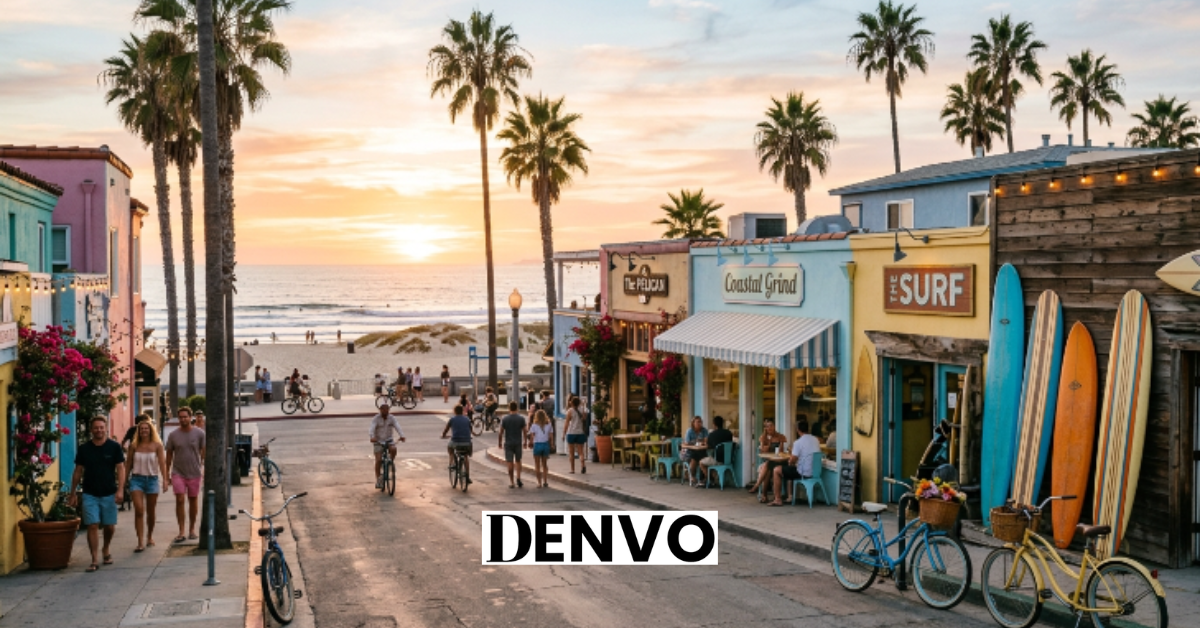
Remember when a Tuesday afternoon could mean surfing at 3pm and nobody batted an eye? That version of California barely exists anymore, and most people who grew up in it can’t quite explain when it slipped away.
Quick answer
The lost cali life style refers to the laid-back, outdoor-first, community-driven way Californians lived from roughly the 1960s through the early 2000s — before rising costs, remote work culture, and social media turned the state’s famous ease into a marketing slogan instead of a lived reality. It’s mourned because it represented freedom, not just geography.
I grew up thirty minutes from the Pacific, and for most of my childhood, “the beach” wasn’t a destination — it was just where you ended up after school if you had nothing better to do. Nobody planned it. Nobody posted about it. It just happened, over and over, until it became a personality. This post is about what that lifestyle actually was, why it started disappearing, and whether any piece of it is still salvageable for people who miss it or never got to experience it at all.
The Lost Cali Life Style Was Built on Free Time, Not Money
The core of it wasn’t wealth — it was slack in the schedule. People had unstructured hours, and California’s climate gave them somewhere free to spend those hours.
My uncle used to tell me about working a lifeguard shift in Huntington Beach in the late 70s, then closing his tower and staying another two hours just to surf with friends. Nobody was billing him for that time. Nobody expected a LinkedIn post about “grinding.” That kind of open afternoon is what actually defined the culture — not the tan, not the surfboard, but the fact that time itself felt less owned by someone else.
Compare that to now. The average commute in Los Angeles County runs close to 30 minutes each way, and that’s before accounting for the second-job economy so many residents rely on just to afford rent. The beach is still there. The free hours to enjoy it mostly aren’t.
Housing Costs Killed More of the Culture Than Anything Else
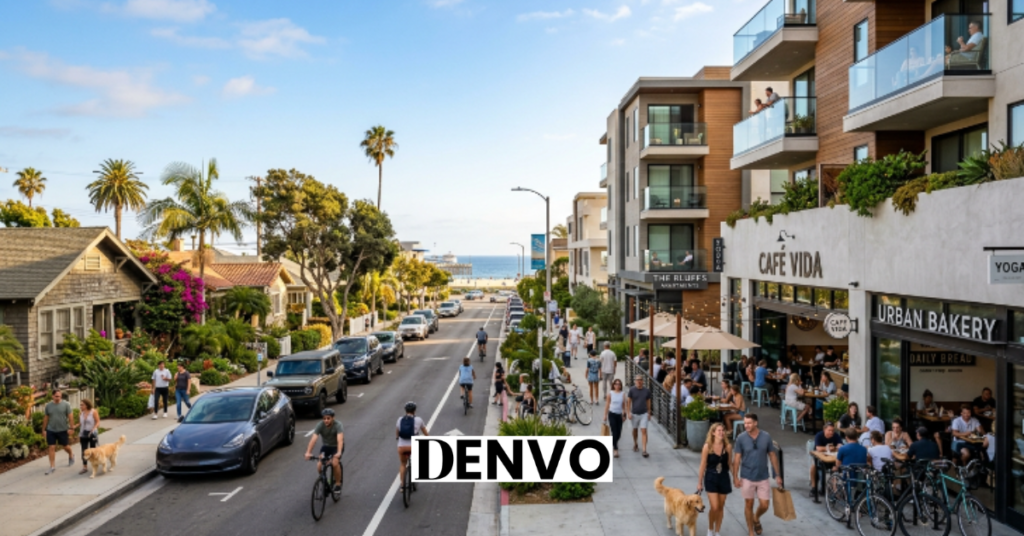
Nobody talks about rent when they talk about the lost cali life style, but it’s the real villain. A relaxed lifestyle needs breathing room, and breathing room needs affordability.
In 1980, the median home price in California sat around $89,000. Adjusted for inflation, that’s roughly $330,000 in today’s dollars — still expensive, but nowhere near the median of over $780,000 the state sees now. That gap didn’t just price people out of homes. It priced them out of the mindset that made the culture work in the first place.
Here’s a story that sticks with me: a friend’s dad bought a small three-bedroom in Santa Monica in 1985 on a single teacher’s salary. He worked one job, coached little league on weekends, and still had money for a used boat. Try doing that today on a teacher’s salary in Santa Monica — you’d need three roommates just to cover the rent on a one-bedroom, let alone buy anything.
Surf Culture Didn’t Die, But It Got Gentrified
This is the contrarian part people don’t want to hear: surf culture isn’t gone, it’s just been repackaged and sold back to us at a markup.
Twenty years ago, a used board and a wetsuit from a garage sale got you into the water. Now there’s a whole industry of $400 “surf lifestyle” branding — clothing lines, retreats, curated Instagram aesthetics — that sells the look of the old culture without the actual access or time that made it real. You can buy the flannel. You can’t buy back the empty parking lot at 6am with three cars in it instead of thirty.
That’s the uncomfortable truth: the lost cali life style became a product before it became a memory. Brands figured out that nostalgia sells better than the thing itself ever did.
Remote Work Almost Brought It Back — Then Made It Worse
For about eighteen months during the pandemic, something interesting happened. People with flexible jobs started reclaiming daylight hours. Surf breaks got busier on weekday mornings. Farmers markets in coastal towns saw a mid-week crowd they hadn’t seen in decades.
Then the second wave hit: an influx of remote workers with big-city salaries moved to smaller coastal towns, and rents in places like Santa Cruz and San Luis Obispo spiked by double digits within a year or two. The very freedom that let people chase the lifestyle again ended up pricing out the locals who’d kept it alive the whole time.
It’s a strange loop. Remote work gave people back their afternoons, but it also broke the affordability of the towns where those afternoons meant the most.
Community Mattered More Than Location
People assume the lost cali life style was about geography — beaches, mountains, weather. It wasn’t, not really. It was about knowing your neighbors well enough to borrow a ladder without texting first.
Small local businesses used to double as social hubs. The corner surf shop wasn’t just a store; the owner knew your name, your board size, and probably your dad. That kind of informal network is hard to rebuild once foot traffic gets replaced by online ordering and rising commercial rents push out the independent shop owners who created those bonds in the first place.
How to Rebuild Pieces of the Lost Cali Life Style Today
You can’t move back the clock, but you can borrow a few habits that made the culture work, wherever you live.
- Protect two unstructured hours a week and treat them like a non-negotiable appointment, not a “someday” plan.
- Pick one outdoor habit — walking, biking, surfing, whatever’s local — and do it at the same time weekly so it becomes identity, not a task.
- Support one small, independent local business regularly instead of splitting every purchase across the cheapest online option.
- Say yes to spontaneous plans more often, even when your calendar says no. The old lifestyle ran on spontaneity, not scheduling apps.
- Talk to your literal neighbors. Not online. In person. That’s the part nobody can gentrify or price out.
None of this recreates 1978 Malibu. But it does chip away at the same forces — overscheduling, isolation, and hyper-monetized leisure — that killed the original version of the lifestyle in the first place.
FAQs
What does “lost cali life style” actually mean?
It refers to the relaxed, outdoor-centered, low-cost way of living that defined much of coastal California from the 1960s through the early 2000s. People associate it with surf culture, informal community ties, and an abundance of unstructured free time that’s much harder to find today.
Is the lost cali life style completely gone?
Not entirely — pockets of it still exist in smaller coastal towns and among people who’ve deliberately restructured their schedules around outdoor time. But the widespread, affordable version most people remember has largely disappeared due to housing costs and lifestyle inflation.
Why did California housing prices affect the culture so much?
Because the lifestyle depended on people having both free time and low financial pressure at the same time. Once housing costs outpaced wage growth, most residents had to work more just to stay in place, leaving little room for the spontaneity the culture was built on.
Can you recreate this lifestyle outside of California?
Yes, to a meaningful degree. The core ingredients — unstructured time, consistent outdoor habits, and real community connection — aren’t exclusive to California geography, even if the ocean and climate helped make it iconic there first.
Did remote work bring back the lost cali life style?
Partially, and only temporarily in most places. It gave some people more flexible hours, but the resulting migration to smaller towns also drove up local rents, which undercut a lot of the affordability that made the original lifestyle sustainable.
Conclusion
The lost cali life style wasn’t really about palm trees or perfect weather — it was about having enough time and enough affordability to actually enjoy where you lived. Both of those things got squeezed out slowly, then all at once. What’s left isn’t nothing, though. It’s a set of habits anyone can borrow, no ocean required.
Did you grow up around any version of this lifestyle, or catch just the tail end of it? Drop your story in the comments — I’d genuinely like to know what you remember, and what you think we could still bring back.