
Introduction
Let’s be honest: most “healthy” salads taste like sad rabbit food. A pile of wilted lettuce with a splash of vinegar isn’t going to keep you full past 10 a.m., let alone help you stick to your health goals.
But here’s the good news — healthy salad recipes don’t have to be boring, bland, or built around lettuce alone. The best ones are loaded with protein, healthy fats, color, and crunch, so you actually look forward to eating them.
In this guide, you’ll find practical, beginner-friendly healthy salad recipes you can make in 15 minutes or less, plus the simple formula chefs use to build a satisfying salad every time — no recipe card required.
What Makes a Salad Truly Healthy? (Hint: It’s Not Just Lettuce)
Most people think “healthy salad” means lettuce, a few cucumber slices, and maybe a tomato. That’s actually one of the biggest reasons salads fail to keep you full or satisfied.
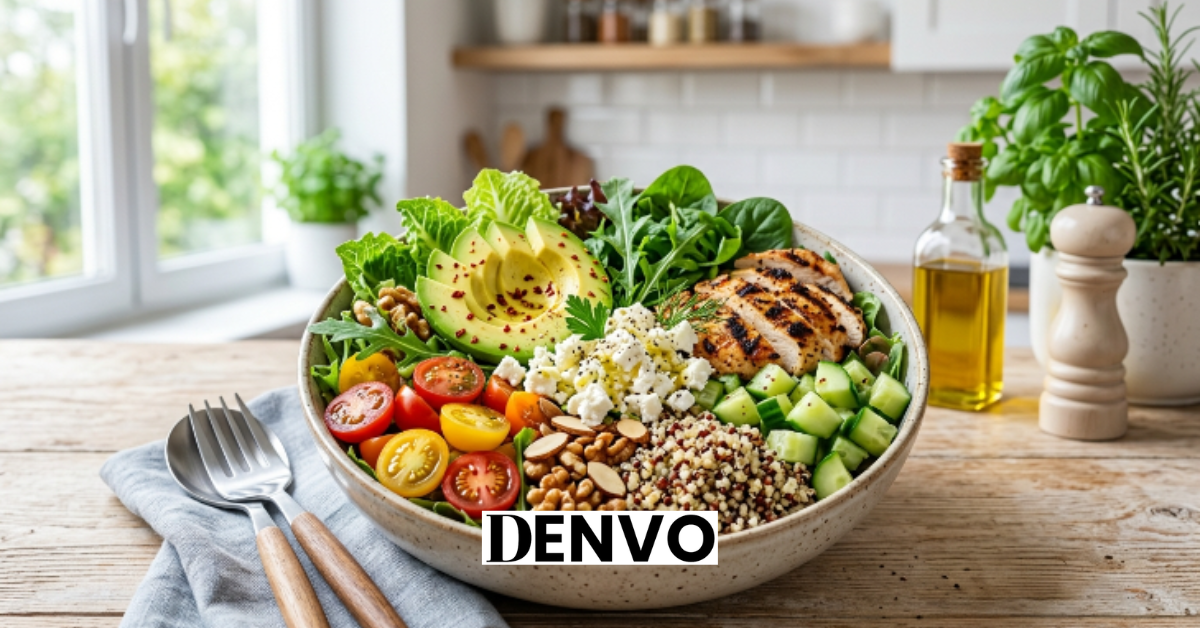
A genuinely healthy salad recipe needs four things working together: protein, healthy fats, fiber, and flavor. Skip any one of these, and you’ll be raiding the snack drawer an hour later.
Here’s what a balanced, healthy salad actually needs:
- Protein (15-25g): grilled chicken, chickpeas, lentils, tofu, eggs, or salmon
- Healthy fats: avocado, olive oil, nuts, seeds, or a sprinkle of cheese
- Fiber-rich vegetables: leafy greens, bell peppers, carrots, broccoli, or beans
- Flavor boosters: herbs, citrus, garlic, spices, or a well-made dressing
For example, a plain garden salad with iceberg lettuce and ranch dressing might only give you 3 grams of protein and almost no fiber, even though it “looks” healthy. Swap in spinach, black beans, and a lime-cilantro dressing, and you’ve got a meal that actually sustains you for hours.
There’s also a common myth that salads must be low-calorie to count as healthy. In reality, a salad with 500-600 calories full of protein and fiber is often far better for you — and far more filling — than a 150-calorie salad that leaves you hungry by 11 a.m.
One more thing: don’t fear the dressing. A tablespoon or two of a good olive-oil-based dressing helps your body absorb fat-soluble vitamins like A, D, E, and K from your vegetables. The goal is balance, not deprivation.
The takeaway: healthy salad recipes aren’t about cutting calories to nothing. They’re about combining the right ingredients so your body gets real nutrition, not just crunch.
5 Healthy Salad Recipes You Can Make in 15 Minutes or Less
Ready to put that formula into action? Here are five healthy salad recipes that take 15 minutes or less and use ingredients you can find at any grocery store.
1. Mediterranean Chickpea Salad
This is one of the easiest healthy salad recipes for beginners because it needs zero cooking.
You’ll need:
- 1 can chickpeas, rinsed and drained
- 1 cucumber, diced
- 1 cup cherry tomatoes, halved
- 1/4 cup feta cheese
- 2 tbsp olive oil, lemon juice, and oregano
Toss everything together and let it sit for 10 minutes so the flavors blend. It’s filling, high in fiber, and keeps well in the fridge for up to 3 days.
2. Asian Sesame Crunch Salad
Shredded cabbage, carrots, edamame, and a sesame-ginger dressing make this a crunchy, protein-packed option. Add grilled chicken or tofu to turn it into a complete meal.
3. Greek Yogurt Chicken Salad
Swap mayo for plain Greek yogurt to cut calories without losing creaminess. Mix with shredded chicken, celery, grapes, and a pinch of dill for a slightly sweet, savory bite.
4. Quinoa and Black Bean Power Bowl
Quinoa is a complete protein, which makes this one of the most filling healthy salad recipes on this list. Combine it with black beans, corn, avocado, and a lime dressing.
5. Caprese Avocado Salad
Fresh mozzarella, tomatoes, avocado, and basil drizzled with balsamic glaze. It’s rich in healthy fats and works as a light lunch or a side dish.
Each of these recipes can be doubled, tripled, or mixed and matched depending on what’s in your fridge — that’s the real beauty of building your own healthy salad recipes instead of following one rigid recipe every time.
The 5-Layer Formula for Building Your Own Healthy Salad Recipes
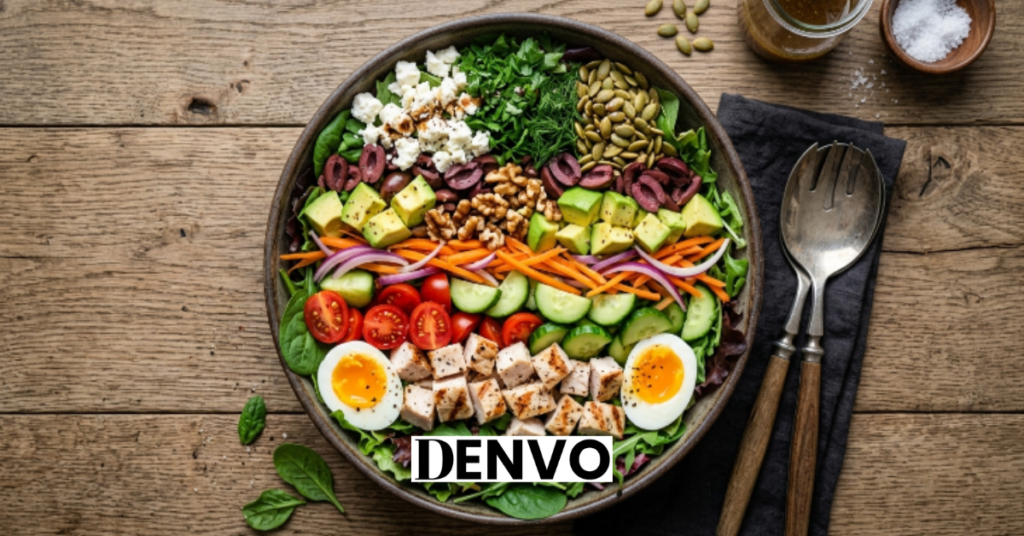
Once you understand the formula behind healthy salad recipes, you’ll rarely need to search for another recipe again. Just follow these five layers:
- Base (1-2 cups): spinach, arugula, romaine, or a mix of greens
- Protein (3-4 oz): chicken, shrimp, tofu, beans, or eggs
- Healthy fat (1-2 tbsp): avocado, nuts, seeds, or olive oil
- Crunch and color (1/2 cup): bell peppers, carrots, radish, or cucumber
- Dressing (1-2 tbsp): homemade vinaigrette or a yogurt-based dressing
Why This Formula Works
This layering method works because it forces balance into every bowl. You’re not just throwing random vegetables together and hoping for the best — you’re covering protein, fat, fiber, and flavor every single time.
Pro tip: Make your dressing first. A simple vinaigrette of 3 parts olive oil, 1 part vinegar or lemon juice, and a pinch of salt and pepper works with almost any combination of ingredients.
For busy professionals, the easiest shortcut is keeping pre-cooked protein on hand — rotisserie chicken, canned tuna, or boiled eggs all work well. That alone can cut your prep time for any healthy salad recipe down to five minutes.
Once you have this formula memorized, you can build a brand-new healthy salad recipe from whatever’s left in your fridge on a random Tuesday night — no grocery run required.
5 Mistakes That Quietly Turn Healthy Salads Into Junk Food
Not every salad deserves the “healthy” label. Here are five mistakes that can turn even the best healthy salad recipes into a calorie bomb.
1. Drowning your salad in dressing A few tablespoons of creamy dressing can add 300+ calories before you’ve eaten a single vegetable. Measure your dressing instead of pouring straight from the bottle.
2. Skipping protein entirely Without protein, you’ll be hungry again within an hour. Always add a protein source, even if it’s just a handful of nuts or a boiled egg.
3. Loading up on croutons, cheese, and bacon bits These toppings taste great but add up fast. A small handful of croutons can add 150 calories with almost zero nutrition.
4. Using only one type of vegetable A salad made entirely of iceberg lettuce offers very little fiber or nutrients. Aim for at least 3-4 different vegetables for a wider range of vitamins and minerals.
5. Treating salad as a side dish instead of a meal If your salad is meant to be lunch or dinner, it needs to be sized and balanced like one — not a garnish sitting next to a sandwich.
Take Sarah, a marketing manager who used to order a $12 “healthy” salad from a fast-casual chain every day for lunch. After she started measuring her dressing and adding her own protein at home, she noticed she wasn’t reaching for an afternoon snack anymore — and she was spending less money too.
The good news? Avoiding these mistakes is simple once you know what to look for. Fixing even two or three of these habits can make a real difference in how satisfied and energized you feel after eating.
Meal Prep Tips to Keep Your Healthy Salad Recipes Fresh All Week
One of the best things about healthy salad recipes is how well they meal-prep — if you layer them correctly.
Store Dressing Separately
Dressing is the number one reason salads go soggy. Keep it in a small container or jar lid and add it right before eating.
Use the Mason Jar Method
Layer ingredients from wettest to driest: dressing on the bottom, then hard vegetables, protein, and finally leafy greens on top. When you’re ready to eat, just shake and pour into a bowl.
Prep in Batches
Wash and chop a week’s worth of vegetables in one session on Sunday. Store them in airtight containers so building a healthy salad recipe on a Tuesday takes less than five minutes.
Know Your Shelf Life
- Leafy greens: 4-5 days
- Chopped hard vegetables: 5-7 days
- Cooked protein: 3-4 days
- Dressing: 1-2 weeks (if oil-based)
Pro tip: Avoid prepping avocado or tomatoes too far in advance — they brown and go mushy faster than other ingredients. Add these fresh right before eating.
A set of wide-mouth mason jars or rectangular glass containers with separate compartments makes this whole process even easier, since you can see exactly what’s inside without digging through the fridge.
With a little planning, you can prep five healthy salad recipes in under 30 minutes and have lunch ready to grab all week long.
Conclusion
Healthy salad recipes don’t have to be boring, repetitive, or unsatisfying. Once you understand the simple formula — a good base, real protein, healthy fat, crunch, and a flavorful dressing — you can build a new salad every day without ever following a strict recipe.
Start with one or two of the recipes in this guide, then experiment with what you already have at home. Small changes, like measuring your dressing or adding a protein source, can make a big difference in how full and energized you feel.
Healthy eating doesn’t need to be complicated. Pick a recipe, prep a few ingredients tonight, and you’ll have a satisfying, healthy salad recipe ready to go tomorrow.
FAQs
What is the healthiest salad to eat regularly?
There’s no single “healthiest” salad, but the best healthy salad recipes for regular eating combine leafy greens, a lean protein, healthy fat, and a variety of colorful vegetables. A spinach salad with grilled chicken, chickpeas, avocado, and a light vinaigrette is a solid everyday option because it covers fiber, protein, and healthy fats in one bowl. Rotating your vegetables and protein sources throughout the week also helps you get a wider range of vitamins and minerals, rather than relying on the same two or three ingredients every day. The key is variety and balance, not finding one “perfect” salad to eat on repeat.
Can I eat a salad every day and still lose weight?
Yes, but it depends on what’s in the salad and how much dressing you use. A salad loaded with fried toppings, excessive cheese, and creamy dressing can easily contain 700-900 calories, which may not support weight loss goals. On the other hand, a balanced healthy salad recipe with measured dressing, lean protein, and plenty of vegetables can be a great tool for weight management because it’s filling and nutrient-dense. The biggest factor is portion control on calorie-dense add-ons like dressing, cheese, and nuts, not the salad itself. Pairing salads with consistent protein intake throughout the day also helps prevent overeating later.
What’s the healthiest salad dressing?
Homemade vinaigrettes made with olive oil, vinegar or citrus juice, and herbs are generally considered the healthiest option for salad dressing. They contain healthy fats that help your body absorb nutrients from vegetables, and you control exactly how much sugar or sodium goes in. Store-bought dressings, even ones labeled “light” or “fat-free,” often contain added sugar and preservatives to make up for lost flavor. If you prefer a creamy dressing, plain Greek yogurt mixed with lemon juice and herbs is a lighter alternative to mayonnaise-based options. A simple 3-to-1 ratio of oil to vinegar is a good starting point for any homemade dressing.
How do I make a salad more filling without adding lots of calories?
The easiest way to make a salad more filling is to add more protein and fiber rather than more fat or sugar. Beans, lentils, grilled chicken, tofu, and eggs all add staying power without dramatically increasing calories. Whole grains like quinoa or farro also add fiber and make a salad feel more like a complete meal. Avoid relying on calorie-dense extras like croutons or large amounts of cheese to create fullness, since these add calories without much nutritional benefit. A good rule of thumb for any healthy salad recipe is to aim for at least 20 grams of protein per serving.
Are store-bought salad kits healthy?
Store-bought salad kits can be a convenient option, but many include high-calorie dressings, cheese packets, and candied nuts that add up quickly. Always check the nutrition label and consider using only half the dressing packet provided. Kits with a simple vinaigrette and a mix of vegetables are usually a better choice than ones with creamy dressings or sugary toppings. If you want the convenience of a kit but more control over nutrition, buy pre-washed greens separately and add your own protein and dressing. This gives you the time-saving benefit of a kit while still following a healthy salad recipe you actually control.
How long do healthy salads stay fresh in the fridge?
Most prepped salads stay fresh for 3-5 days if stored correctly, though this depends on the ingredients used. Leafy greens last longest when stored dry, away from moisture, with the dressing kept separate until you’re ready to eat. Hardier vegetables like carrots, bell peppers, and cabbage tend to last 5-7 days, while soft ingredients like avocado and tomato are best added fresh each day. Cooked proteins, such as grilled chicken or hard-boiled eggs, generally stay safe to eat for 3-4 days when refrigerated properly. Following proper storage steps means your healthy salad recipes stay fresh and crisp throughout the week.